AC Drive for Compressor: Energy-Efficient Variable Speed Control Solutions

All Categories
Get a Quote
%}

Get a Free Quote

Our representative will contact you soon.
Email
Mobile/WhatsApp
Name
Message
0/1000

ac drive for compressor

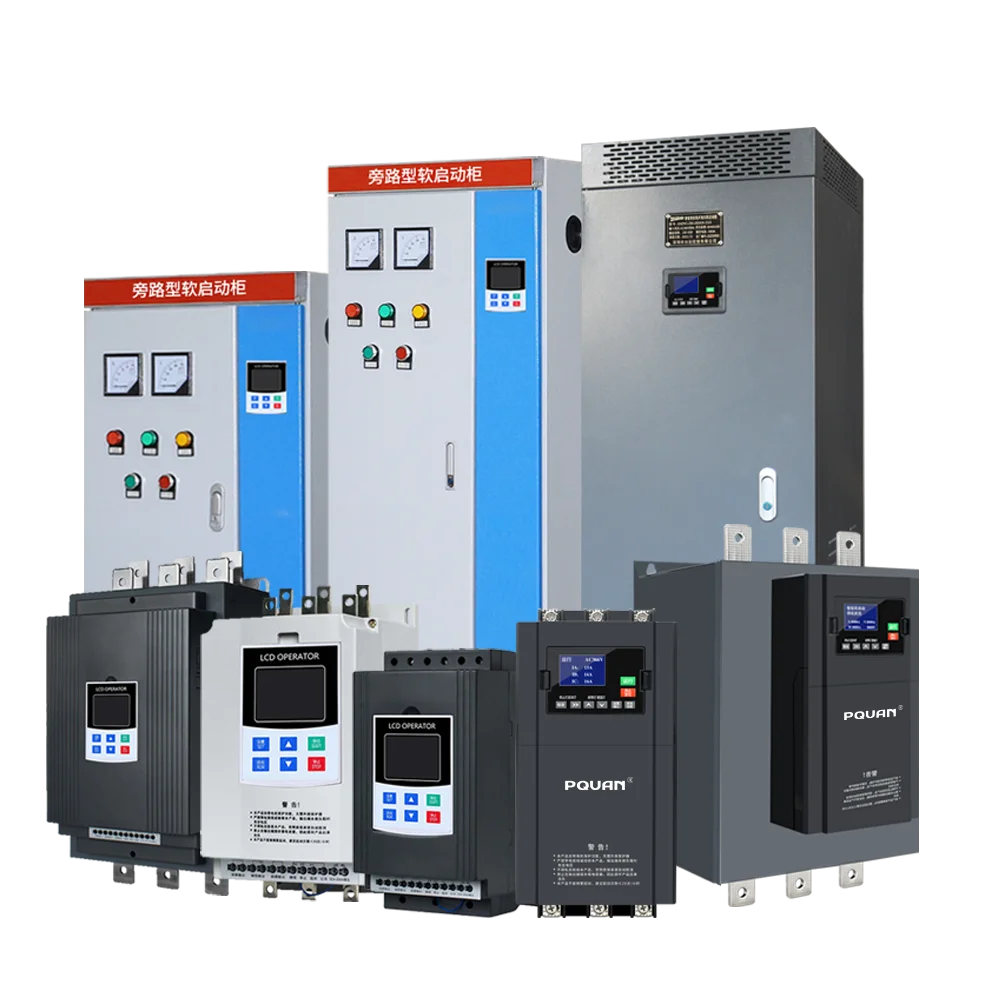
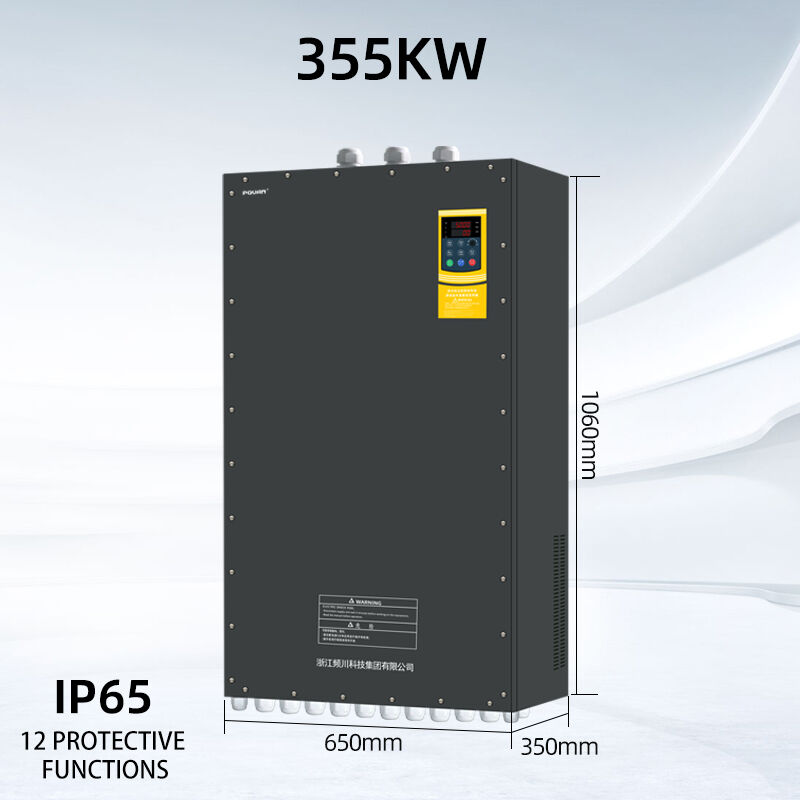
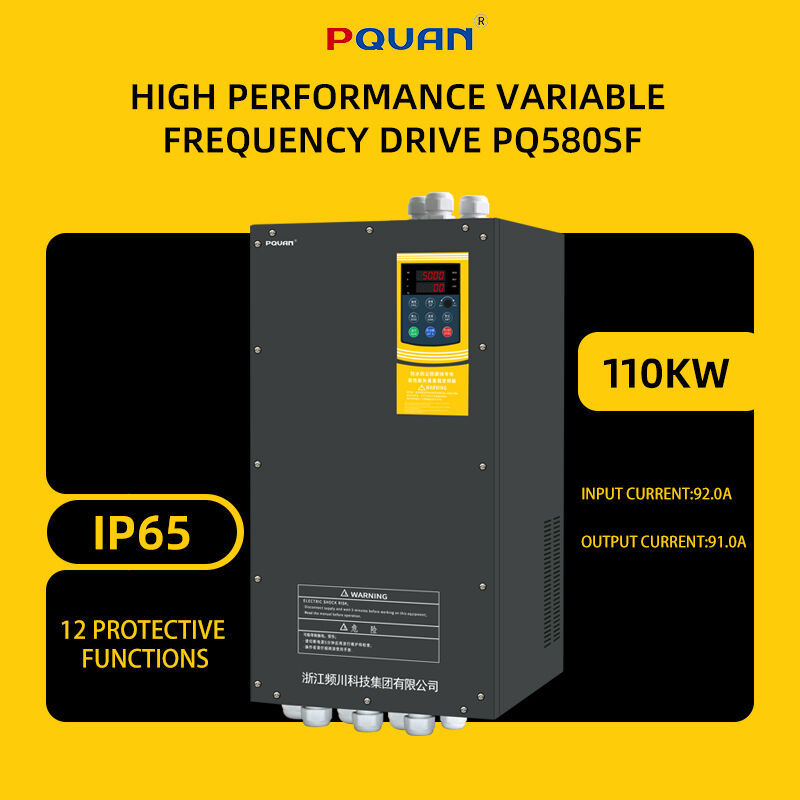
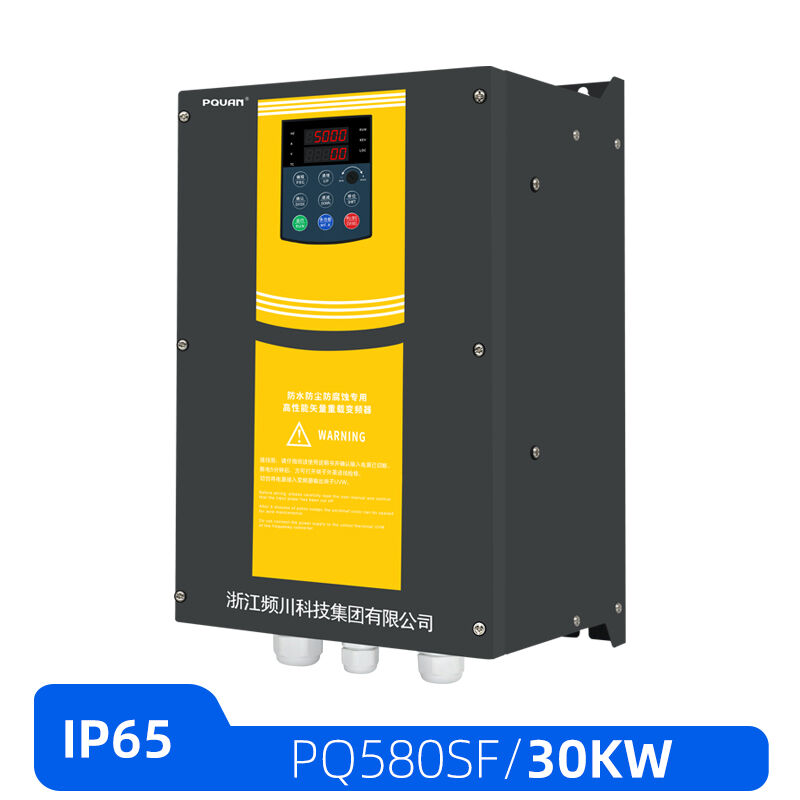
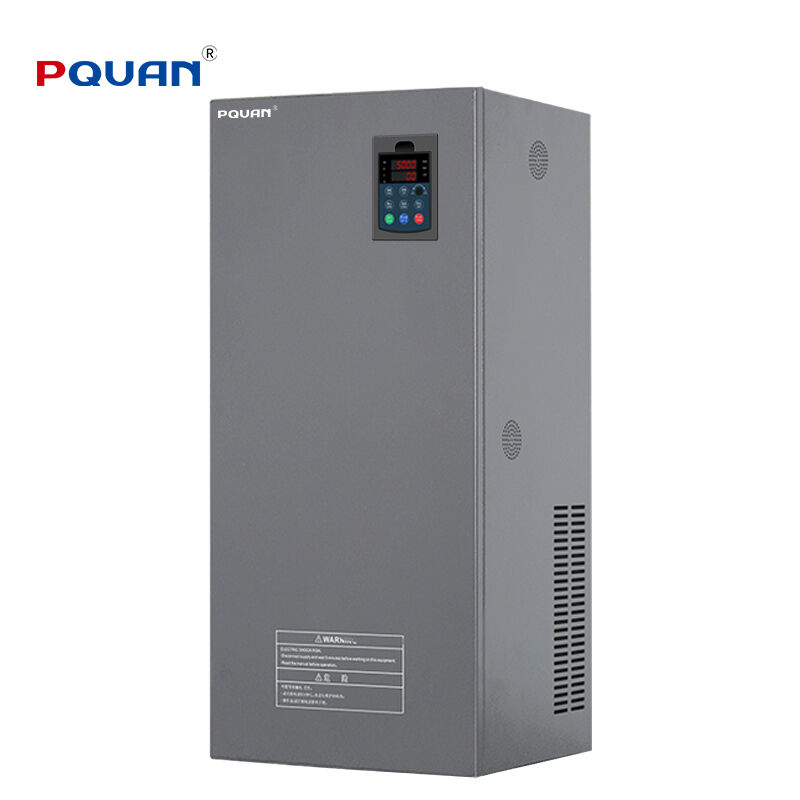
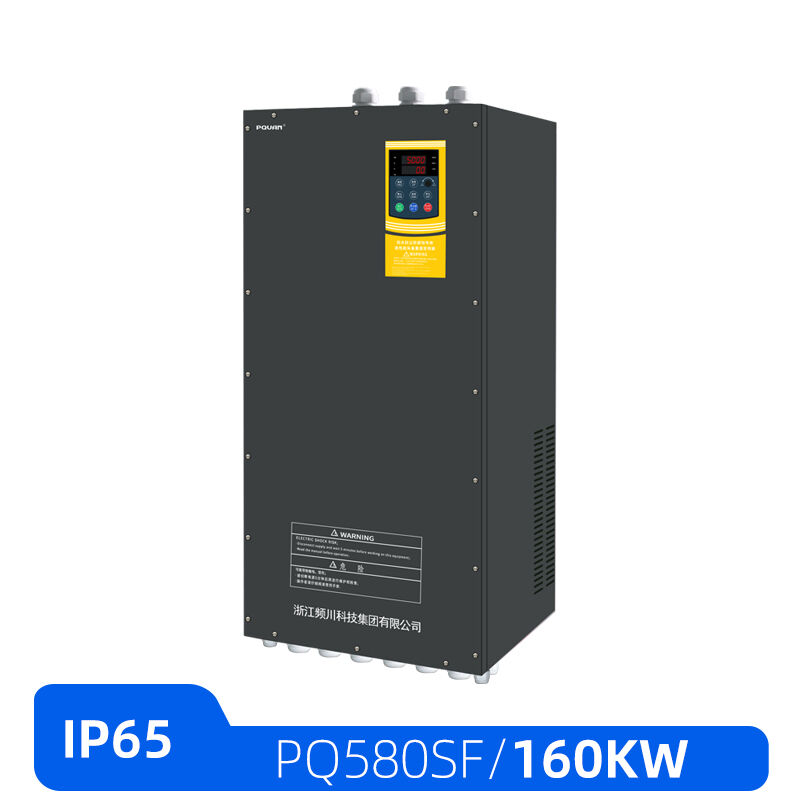
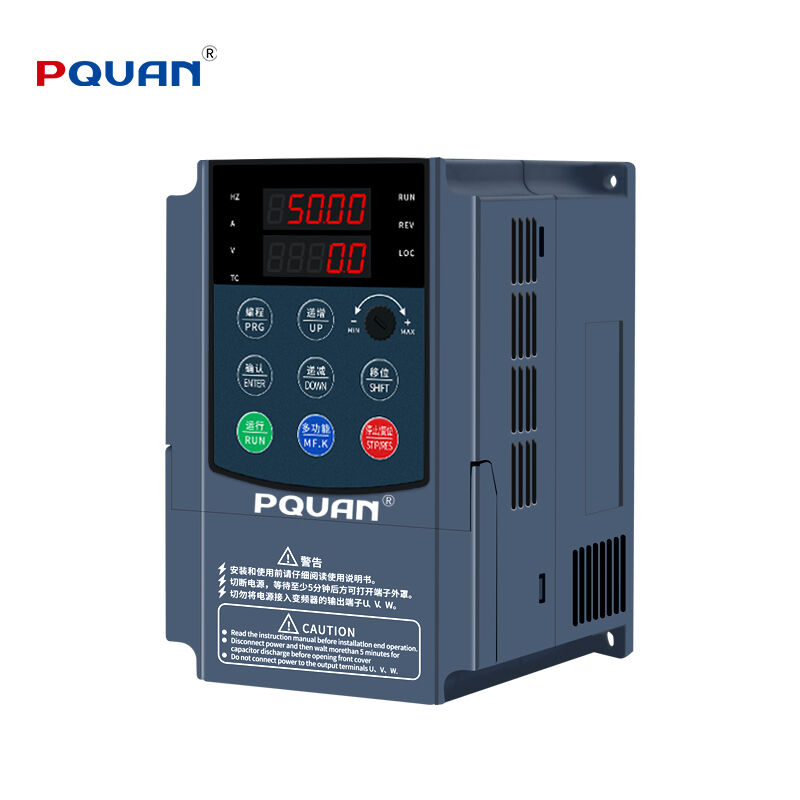
An ac drive for compressor represents a sophisticated electronic control system designed to regulate the speed and torque of alternating current motors that power industrial and commercial compression equipment. This advanced technology functions as an intelligent interface between the electrical power supply and the compressor motor, converting fixed-frequency AC power into variable-frequency output that precisely matches operational demands. The primary function of an ac drive for compressor involves controlling motor speed through frequency adjustment, allowing compressors to operate at optimal levels rather than running continuously at full capacity. Modern ac drive for compressor systems incorporate microprocessor-based control algorithms that monitor multiple parameters including pressure, temperature, flow rate, and power consumption in real-time. These drives employ pulse-width modulation techniques to generate smooth, adjustable voltage and frequency outputs that eliminate mechanical stress associated with direct-on-line motor starting. The technological features of an ac drive for compressor include soft-start capabilities that gradually accelerate the motor to operating speed, reducing mechanical shock and extending equipment lifespan. Advanced models feature built-in protection mechanisms against overcurrent, overvoltage, undervoltage, and overheating conditions, safeguarding both the drive and the compressor from potential damage. The applications of ac drive for compressor span numerous industries including manufacturing, food processing, pharmaceuticals, automotive production, HVAC systems, pneumatic conveying, and refrigeration. In manufacturing environments, an ac drive for compressor ensures consistent air pressure for pneumatic tools and automated machinery. Food processing facilities utilize these drives to maintain precise environmental controls for product quality and safety. The pharmaceutical industry depends on ac drive for compressor technology to create contamination-free compressed air for sensitive production processes. HVAC applications benefit from the energy efficiency and precise control that ac drive for compressor systems provide, maintaining comfortable environments while minimizing operational costs. The integration of communication protocols such as Modbus, Profibus, and Ethernet/IP enables seamless connectivity with building management systems and industrial control networks.

Popular Products

The advantages of implementing an ac drive for compressor deliver substantial practical benefits that directly impact operational efficiency and cost savings for businesses across all sectors. Energy conservation stands as the most significant advantage, with an ac drive for compressor typically reducing electricity consumption by 25 to 50 percent compared to fixed-speed operation. This energy reduction occurs because the drive adjusts motor speed to match actual compressed air demand rather than running at full capacity and wasting excess production. Your facility will experience immediate utility bill reductions that often result in return on investment within 12 to 24 months. The extended equipment lifespan represents another crucial advantage, as an ac drive for compressor eliminates the harsh mechanical stress caused by abrupt starts and stops. Traditional across-the-line starting subjects motors and compressors to current surges up to eight times normal operating levels, creating thermal stress and mechanical wear that shortens component life. Soft-start functionality gradually ramps up motor speed, treating your equipment gently and potentially doubling its operational lifespan. Maintenance requirements decrease significantly when you install an ac drive for compressor because the system operates more smoothly with fewer mechanical shocks and vibrations. Reduced wear on bearings, seals, belts, and couplings means fewer replacement parts and less downtime for repairs. Your maintenance team can focus on productive improvements rather than emergency breakdowns. Improved process control gives you precise regulation of compressed air pressure and flow, ensuring consistent product quality and eliminating production defects caused by pressure fluctuations. An ac drive for compressor maintains steady output even as demand varies throughout the day, providing reliable performance for critical applications. Noise reduction creates a more comfortable working environment, as variable-speed operation produces significantly less acoustic output than fixed-speed compressors cycling on and off. Your employees will appreciate the quieter workplace, and neighboring areas will experience less disturbance. Power quality improvements benefit your entire electrical system, as an ac drive for compressor reduces harmonic distortion and power factor issues that can damage sensitive electronic equipment. The soft-start feature prevents voltage dips that might affect computers, PLCs, and instrumentation throughout your facility. Flexibility in system design allows you to adapt your compressed air system to changing production requirements without major equipment modifications. An ac drive for compressor enables you to adjust performance parameters through simple programming changes rather than mechanical alterations. Environmental benefits include reduced carbon footprint from lower energy consumption, supporting your corporate sustainability goals and potentially qualifying for utility rebates or tax incentives. Remote monitoring capabilities built into modern ac drive for compressor systems let you track performance, diagnose issues, and optimize settings from any location, improving your ability to manage multiple facilities efficiently.

Latest News

How Variable Frequency Drives Improve Motor Performance and Lifespan

09

Mar

How Variable Frequency Drives Improve Motor Performance and Lifespan

Electric motors are the workhorses of modern industry, powering everything from HVAC systems and pumps to conveyors and compressors. Yet running these motors at fixed speeds — regardless of actual load demand — wastes significant energy a...
View More
What Size Automatic Voltage Regulator Do You Need for Your Equipment?

12

Mar

What Size Automatic Voltage Regulator Do You Need for Your Equipment?

Choosing the wrong size automatic voltage regulator is one of the most common — and costly — mistakes in power protection planning. An undersized unit will overload under normal operating conditions, while an oversized one wastes capital ...
View More
Top Features to Look for in a High-Quality VFD Drive

06

May

Top Features to Look for in a High-Quality VFD Drive

Selecting the right industrial automation components is crucial for maintaining operational efficiency, minimizing energy expenditure, and extending the lifespan of your mechanical systems. A Variable Frequency Drive (VFD) serves as the core controll...
View More
How to Choose the Right AC Drive for Your Industrial Needs

01

Jun

How to Choose the Right AC Drive for Your Industrial Needs

In modern industrial automation, optimizing energy efficiency and maintaining precise control over motor speeds are critical for operational success. An AC Drive (Alternating Current Drive), also commonly known as a Variable Frequency Drive (VFD), pl...
View More

Get a Free Quote

Our representative will contact you soon.
Email
Mobile/WhatsApp
Name
Message
0/1000

ac drive for compressor

Dramatic Energy Savings Through Intelligent Speed Control

Dramatic Energy Savings Through Intelligent Speed Control

The most compelling advantage of an ac drive for compressor lies in its ability to generate substantial energy savings through intelligent motor speed control that matches compressed air production to actual consumption requirements. Traditional fixed-speed compressors operate at full capacity regardless of demand, creating excess compressed air that gets wasted through pressure relief valves or load/unload cycling that wastes approximately 70 percent of full-load power even when producing no useful output. An ac drive for compressor eliminates this inefficiency by continuously adjusting motor speed to maintain target pressure while producing only the compressed air volume actually needed at any given moment. This precision matching of supply to demand typically reduces energy consumption by 30 to 50 percent in variable-demand applications, which describes the vast majority of industrial compressed air systems. The energy savings translate directly to reduced operating costs, with many facilities recovering their investment in an ac drive for compressor within 18 months through utility bill reductions alone. Consider a 100-horsepower compressor operating 6000 hours annually at an electricity cost of 0.10 dollars per kilowatt-hour, consuming approximately 75 kilowatts at full load. Traditional operation costs roughly 45,000 dollars annually in electricity. Installing an ac drive for compressor that reduces average energy consumption by 35 percent saves 15,750 dollars every year, year after year, throughout the system's operational life. The environmental impact proves equally impressive, as a single ac drive for compressor reducing consumption by 100,000 kilowatt-hours annually prevents approximately 70 metric tons of carbon dioxide emissions, equivalent to taking 15 passenger cars off the road. Beyond simple speed adjustment, modern ac drive for compressor technology incorporates sophisticated algorithms that optimize performance across varying conditions. Pressure feedback control maintains target pressure within extremely tight tolerances, eliminating the artificial pressure band that wastes energy in conventional systems. Energy monitoring features built into the ac drive for compressor provide real-time visibility into consumption patterns, enabling facility managers to identify optimization opportunities and verify savings. Some advanced models include energy-saving modes that automatically adjust control parameters based on historical demand patterns, maximizing efficiency without requiring constant operator attention. The combination of hardware efficiency and intelligent control makes an ac drive for compressor one of the most cost-effective energy conservation measures available to industrial facilities.
Enhanced Equipment Protection and Extended Operational Life

Enhanced Equipment Protection and Extended Operational Life

An ac drive for compressor provides comprehensive protection mechanisms that safeguard expensive compression equipment from damaging electrical and mechanical conditions while significantly extending operational lifespan through gentle, controlled operation. The soft-start capability stands as one of the most valuable protective features, eliminating the violent mechanical shock and excessive electrical current associated with across-the-line motor starting. When a conventional compressor starts, the motor draws 600 to 800 percent of rated current for several seconds, creating enormous thermal stress in motor windings while simultaneously subjecting the compressor to instantaneous full-torque mechanical shock that strains bearings, shafts, couplings, and foundation bolts. An ac drive for compressor gradually accelerates the motor over an adjustable time period, typically 10 to 30 seconds, limiting starting current to approximately 100 percent of rated current while gently bringing rotating components up to operating speed. This controlled acceleration dramatically reduces mechanical wear and tear, potentially doubling or tripling the lifespan of bearings, seals, and other wear components. The thermal benefits prove equally significant, as reduced electrical stress on motor windings prevents insulation degradation that causes premature motor failure. Built-in protection functions within an ac drive for compressor continuously monitor operational parameters and automatically respond to fault conditions before they cause equipment damage. Overcurrent protection immediately reduces motor speed or shuts down the system if current exceeds safe limits, preventing motor burnout. Overvoltage and undervoltage protection safeguards sensitive electronics from power supply irregularities that could destroy control circuits. Overtemperature monitoring tracks heat levels in both the drive and motor, initiating protective responses if temperatures approach dangerous thresholds. Ground fault detection identifies insulation failures that could create safety hazards or equipment damage. Phase loss protection prevents motor damage from supply phase failures that would cause single-phasing conditions. Each protection feature operates independently, providing redundant safeguarding that ensures reliable operation even in challenging electrical environments. The controlled deceleration capability of an ac drive for compressor proves equally important for equipment longevity, preventing water hammer and pressure surges that damage check valves, piping, and connected equipment. Vibration reduction achieved through smooth, variable-speed operation minimizes fatigue stress on mechanical components and support structures, reducing maintenance requirements and extending intervals between major overhauls. Maintenance cost reductions resulting from an ac drive for compressor installation typically range from 20 to 40 percent annually, as components experience less wear and failures become predictable rather than catastrophic. The diagnostic capabilities built into modern ac drive for compressor systems enable predictive maintenance strategies, alerting maintenance personnel to developing problems before they cause unplanned downtime.

Superior Process Control and Operational Flexibility

Superior Process Control and Operational Flexibility

An ac drive for compressor delivers exceptional process control capabilities that enable precise regulation of compressed air parameters, ensuring consistent production quality while providing operational flexibility to adapt to changing requirements without mechanical modifications. Conventional fixed-speed compressors create inherent pressure variations as they cycle between loaded and unloaded states or as multiple units stage on and off to meet demand fluctuations. These pressure swings typically range from 10 to 20 PSI, forcing facilities to maintain artificially high average pressure to ensure minimum requirements are met during low-pressure portions of the cycle. This excessive pressure wastes energy, as every 2 PSI increase in operating pressure raises energy consumption by approximately 1 percent. An ac drive for compressor eliminates pressure variation by continuously adjusting motor speed to maintain target pressure within 1 to 2 PSI, allowing system pressure to be reduced to the minimum required level and saving additional energy while improving process consistency. Applications requiring precise pressure control, such as pneumatic conveying, spray coating, bottling operations, and instrumentation air supply, benefit tremendously from the stable output an ac drive for compressor provides. Product quality improves when compressed air parameters remain consistent, eliminating defects caused by pressure-related variations in pneumatic tools, actuators, and process equipment. The programmability of an ac drive for compressor enables customization of control parameters to match specific application requirements without any hardware changes. Operators can adjust acceleration and deceleration times, pressure setpoints, control response characteristics, and operating limits through simple software configuration, providing flexibility that would require mechanical modifications in conventional systems. Multiple operating modes can be programmed and selected as needed, allowing different control strategies for various production scenarios. Remote pressure setpoint adjustment enables operators to optimize system performance from central control rooms rather than making physical adjustments at the compressor location. Communication capabilities built into modern ac drive for compressor systems integrate seamlessly with plant automation networks, enabling coordinated control of multiple compressors and providing real-time performance data to supervisory systems. This connectivity supports advanced control strategies such as demand-based sequencing, where multiple compressors equipped with ac drive for compressor technology automatically coordinate their operation to meet facility demand with maximum efficiency. Trend logging and historical data storage within the ac drive for compressor facilitate continuous improvement initiatives by revealing consumption patterns, efficiency opportunities, and operational anomalies that might otherwise go unnoticed. Alarm and notification functions alert operators to developing issues, enabling proactive intervention before minor problems escalate into major failures. The operational flexibility provided by an ac drive for compressor proves invaluable when production requirements change, as the same equipment can be easily reconfigured to serve different applications or adjusted to accommodate facility expansions without replacement or major modifications.
AC Drive for Compressor: Energy-Efficient Variable Speed Control Solutions

Get a Free Quote

Our representative will contact you soon.
Email
Mobile/WhatsApp
Name
Message
0/1000