VFD for Fan Systems: Advanced Variable Frequency Drive Solutions for Energy-Efficient Motor Control

All Categories
Get a Quote
%}

Get a Free Quote

Our representative will contact you soon.
Email
Name
Company Name
Message
0/1000

vfd for fan

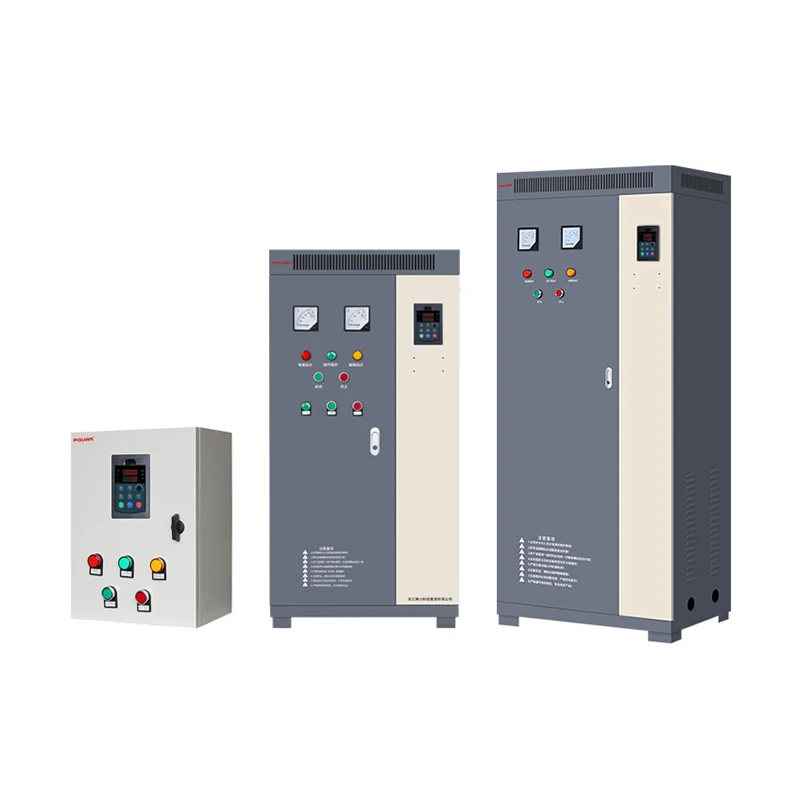
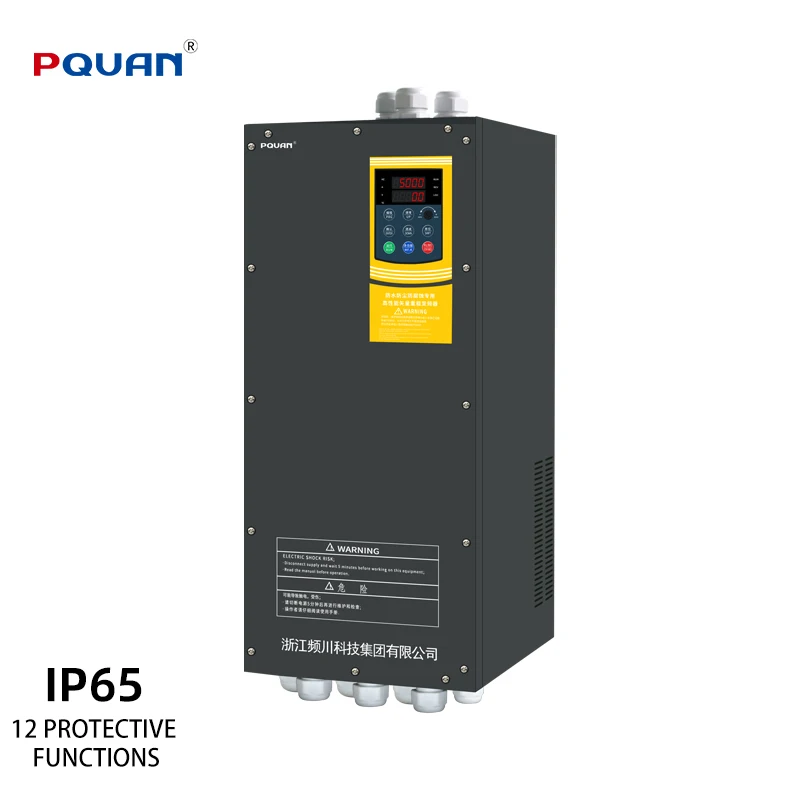
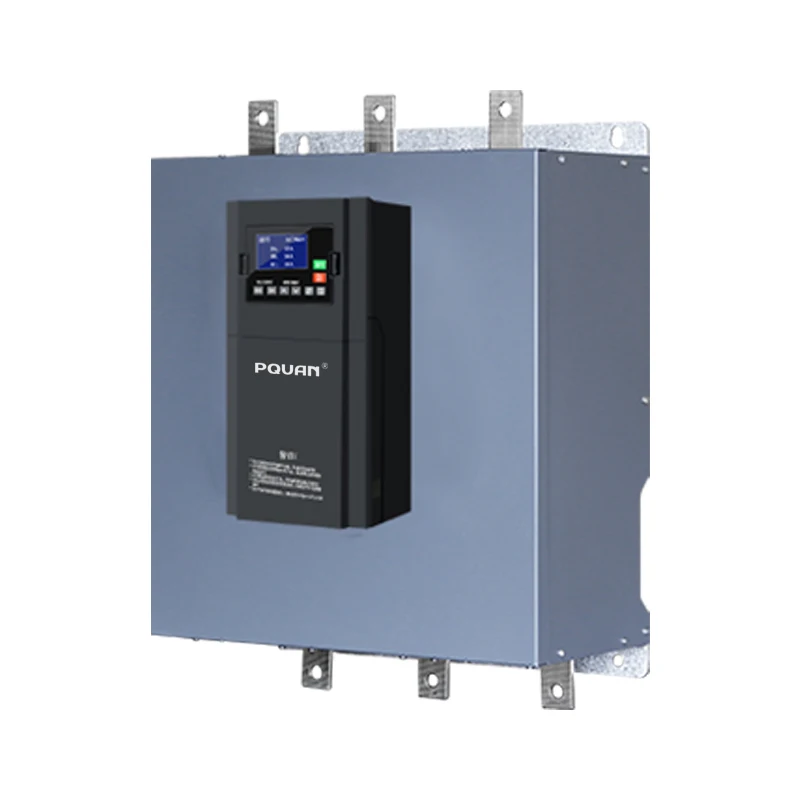
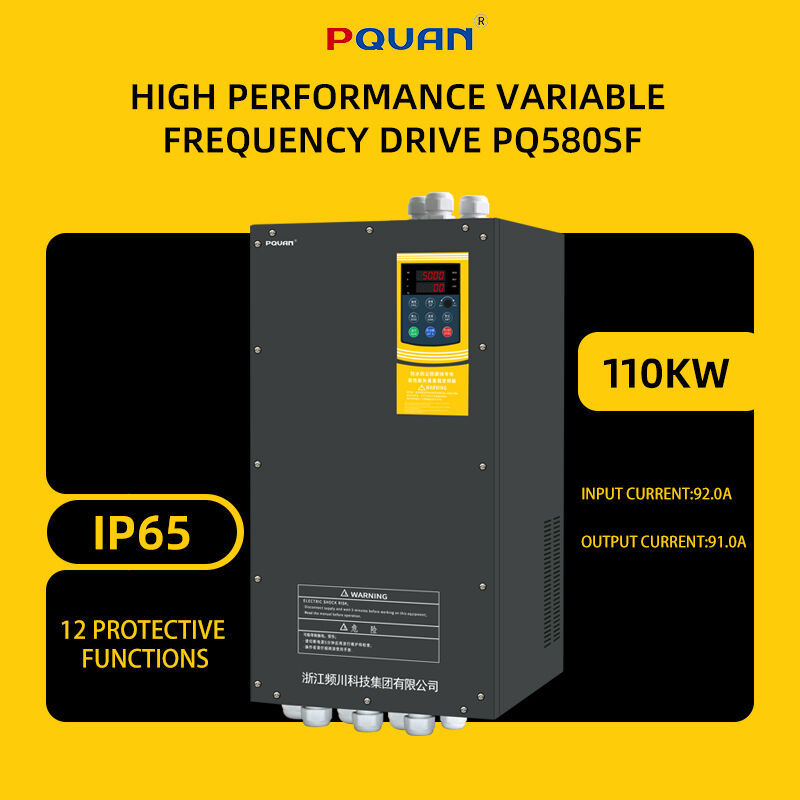
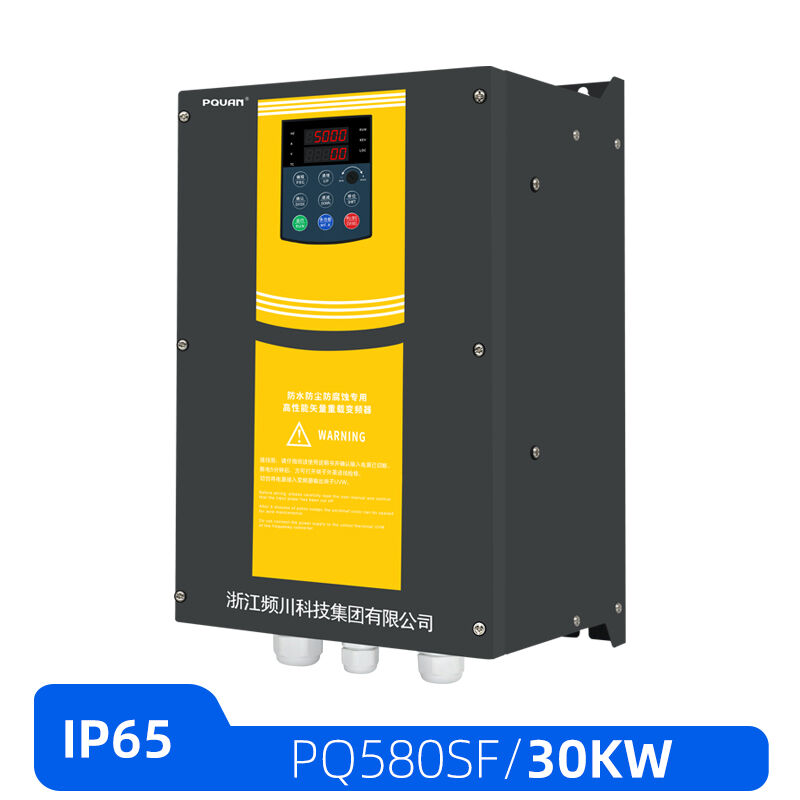
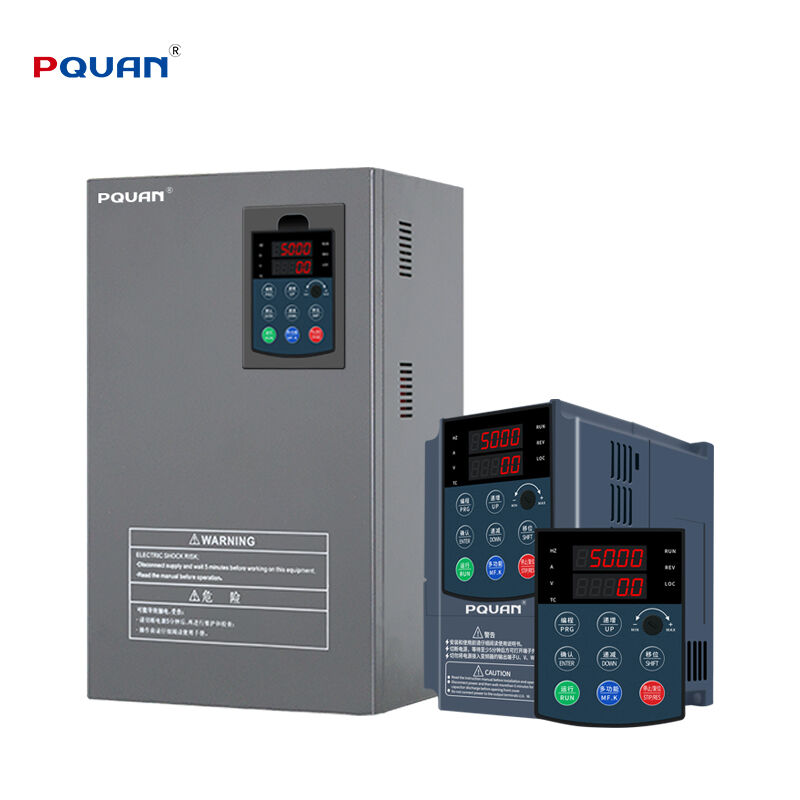
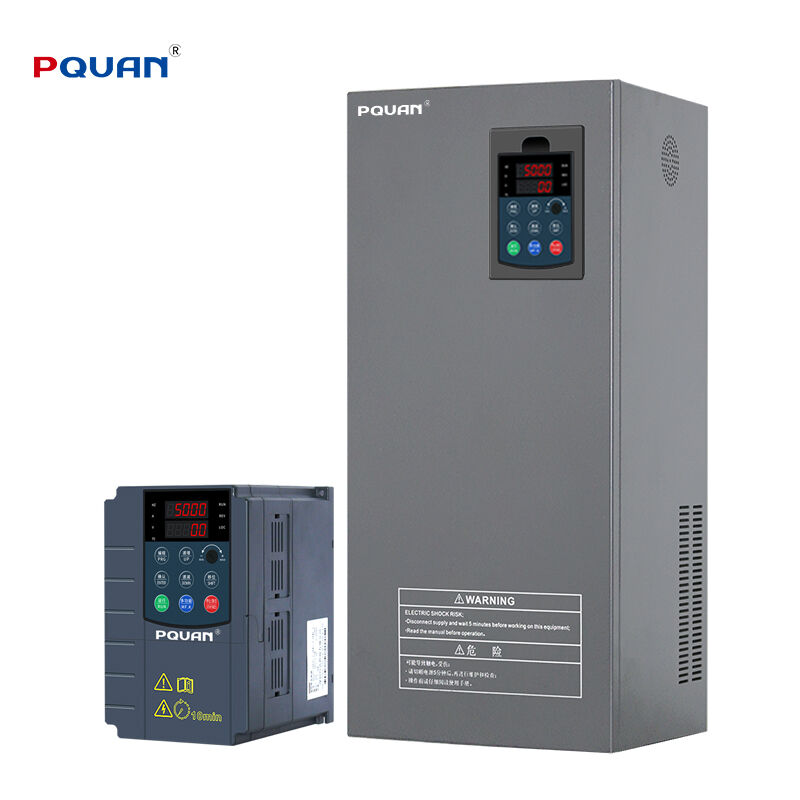
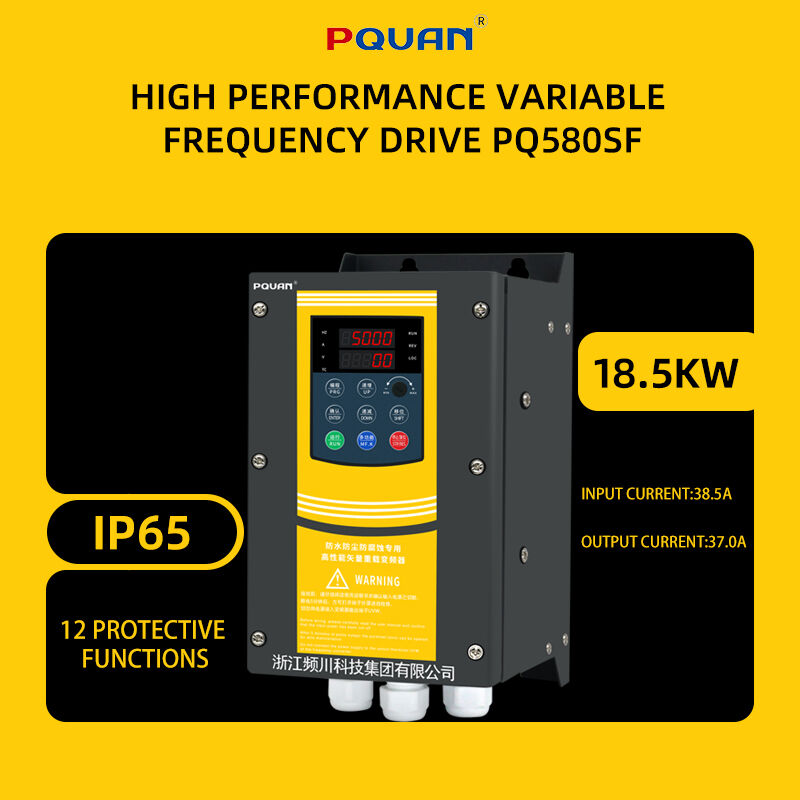
A Variable Frequency Drive (VFD) for fan applications represents a sophisticated electronic control system designed to regulate the speed and torque of electric motors powering industrial and commercial fans. This advanced technology converts fixed-frequency alternating current into variable-frequency output, enabling precise control over fan motor speed and performance. The VFD for fan systems operates by first rectifying incoming AC power into direct current, then using an inverter section to recreate AC power at the desired frequency and voltage levels. This process allows operators to adjust fan speeds seamlessly from zero to maximum rated speed, providing unprecedented control over airflow management. Modern VFD for fan installations incorporate microprocessor-based control systems that monitor various parameters including motor current, voltage, temperature, and operational status. These intelligent devices feature programmable settings that accommodate different operational requirements, from simple speed control to complex automation sequences. The technological architecture of a VFD for fan typically includes input filters, rectifier circuits, DC bus capacitors, inverter modules, and output filters, all working together to deliver clean, stable power to fan motors. Advanced models integrate communication protocols such as Modbus, Ethernet, or wireless connectivity, enabling remote monitoring and control capabilities. Safety features built into VFD for fan systems include overcurrent protection, overvoltage safeguards, thermal monitoring, and fault diagnostics that protect both the drive and connected motor from damage. The application scope of VFD for fan technology spans across numerous industries including HVAC systems, manufacturing facilities, data centers, automotive plants, food processing, pharmaceuticals, and commercial buildings. These drives prove particularly valuable in applications requiring variable airflow rates, such as ventilation systems that must respond to occupancy levels, temperature variations, or process requirements. The environmental impact of VFD for fan installations cannot be overstated, as these systems significantly reduce energy consumption compared to traditional constant-speed fan operations.

New Product Recommendations

The implementation of VFD for fan systems delivers substantial energy savings that directly impact operational costs and environmental sustainability. Traditional fan systems operating at constant speeds consume full power regardless of actual airflow requirements, whereas VFD for fan installations adjust motor speed to match precise demand levels. This dynamic speed control typically reduces energy consumption by 20 to 50 percent, translating into significant cost savings over the system's operational lifetime. The relationship between fan speed and power consumption follows the cube law, meaning a 20 percent reduction in speed results in approximately 50 percent less power consumption. VFD for fan applications provide enhanced process control that improves overall system efficiency and product quality. Operators can fine-tune airflow rates to maintain optimal conditions for manufacturing processes, environmental comfort, or equipment cooling requirements. This precise control eliminates the need for mechanical dampers or inlet vanes that waste energy and create system inefficiencies. The smooth acceleration and deceleration capabilities of VFD for fan systems reduce mechanical stress on motors, belts, bearings, and other drivetrain components, extending equipment lifespan and reducing maintenance costs. Traditional across-the-line starting methods subject fan motors to sudden inrush currents that can be six to eight times the normal operating current, causing thermal stress and mechanical shock. VFD for fan technology eliminates these harmful starting conditions by gradually ramping motor speed from zero to the desired operating point. The diagnostic capabilities integrated into modern VFD for fan systems provide valuable insights into equipment performance and potential issues before they become costly failures. Real-time monitoring of parameters such as motor current, power consumption, operating temperature, and vibration levels enables predictive maintenance strategies that minimize unplanned downtime. Remote monitoring capabilities allow facility managers to oversee multiple VFD for fan installations from centralized control rooms, reducing labor costs and improving response times to operational changes. The noise reduction benefits of VFD for fan systems create more comfortable working environments and help facilities comply with noise regulations. Lower fan speeds inherently generate less acoustic noise, while the elimination of mechanical contactors and across-the-line starting reduces electrical noise and system vibration.

Latest News

Pakistani Customers Visit PQUAN for Inspection and Exchange

09

Feb

Pakistani Customers Visit PQUAN for Inspection and Exchange

View More
How to Choose Voltage Regulator Power: A Concise Guide for Industrial & Commercial Users

23

Jan

How to Choose Voltage Regulator Power: A Concise Guide for Industrial & Commercial Users

View More
A Complete Guide to Selecting the Right Variable Frequency Drive (VFD) Model

03

Mar

A Complete Guide to Selecting the Right Variable Frequency Drive (VFD) Model

View More

Get a Free Quote

Our representative will contact you soon.
Email
Name
Company Name
Message
0/1000

vfd for fan

Advanced Energy Optimization Technology

Advanced Energy Optimization Technology

The energy optimization capabilities of VFD for fan systems represent a revolutionary approach to industrial and commercial motor control that addresses the growing need for sustainable operations and cost reduction. Modern VFD for fan technology employs sophisticated algorithms that continuously analyze system requirements and automatically adjust motor speed to deliver precisely the airflow needed at any given moment. This intelligent operation contrasts sharply with traditional constant-speed fan systems that operate at full capacity regardless of actual demand, wasting substantial amounts of energy during periods of reduced requirements. The energy optimization features built into contemporary VFD for fan controllers include sleep mode functionality that automatically reduces fan speed during low-demand periods, wake-up sequences that gradually restore full operation when increased airflow is needed, and load-matching algorithms that optimize efficiency across varying operational conditions. Advanced VFD for fan systems incorporate power factor correction technology that improves the overall electrical efficiency of the installation while reducing demand charges from utility companies. The regenerative braking capabilities found in premium VFD for fan models can actually feed energy back into the electrical system during deceleration, further enhancing overall energy efficiency. Real-time energy monitoring features provide operators with detailed consumption data that enables identification of optimization opportunities and validation of energy savings achievements. The cumulative impact of these energy optimization technologies typically results in payback periods of 12 to 24 months for VFD for fan installations, making them highly attractive investments for cost-conscious facility managers. Environmental benefits extend beyond simple energy reduction, as VFD for fan systems help organizations meet sustainability goals and reduce carbon footprint while maintaining optimal operational performance. The scalability of energy optimization features allows VFD for fan systems to adapt to changing facility requirements without requiring hardware modifications or system replacements.
Comprehensive Motor Protection and Reliability

Comprehensive Motor Protection and Reliability

The motor protection capabilities integrated into modern VFD for fan systems provide comprehensive safeguarding that extends equipment life, reduces maintenance costs, and ensures reliable operation under diverse conditions. Unlike traditional motor starters that offer limited protection options, VFD for fan controllers continuously monitor multiple parameters including motor current, voltage, temperature, and operational status to detect potential issues before they cause equipment damage. The overcurrent protection built into VFD for fan systems responds instantaneously to abnormal current conditions that could indicate motor overload, mechanical binding, or electrical faults, automatically reducing speed or shutting down the system to prevent damage. Thermal protection algorithms monitor motor temperature through various methods including thermal modeling based on current and speed data, direct temperature sensing through embedded sensors, or external temperature monitoring devices connected to the VFD for fan controller. Phase loss detection capabilities identify missing phases in three-phase power supplies and immediately shut down the system to prevent single-phase operation that could destroy motor windings. Ground fault protection monitors insulation integrity and detects deteriorating conditions before they progress to catastrophic failures. The soft starting capabilities inherent in VFD for fan technology eliminate the mechanical stress associated with across-the-line starting, reducing bearing wear, belt stress, and coupling fatigue that typically limit motor lifespan. Vibration monitoring features available in advanced VFD for fan systems can detect mechanical imbalances, bearing deterioration, or alignment issues through analysis of motor current signatures and operational patterns. Preventive maintenance scheduling built into sophisticated VFD for fan controllers tracks operating hours, start cycles, and load conditions to recommend optimal maintenance intervals based on actual usage patterns rather than arbitrary time schedules. The diagnostic capabilities provide detailed fault history and trending data that maintenance technicians can use to identify recurring issues and implement corrective measures. Communication interfaces enable VFD for fan systems to report status and fault conditions to building management systems or maintenance management software, facilitating proactive maintenance strategies and reducing unplanned downtime.
Intelligent Control and Integration Capabilities

Intelligent Control and Integration Capabilities

The intelligent control and integration capabilities of modern VFD for fan systems transform basic motor control into sophisticated automation solutions that enhance operational efficiency, reduce labor costs, and improve system responsiveness to changing conditions. Contemporary VFD for fan controllers incorporate powerful microprocessors and advanced software that enable complex control strategies far beyond simple speed adjustment, including cascade control loops, process optimization algorithms, and automated sequencing capabilities. Multi-input control functionality allows VFD for fan systems to respond to various sensor inputs simultaneously, such as temperature, pressure, humidity, or occupancy sensors, automatically adjusting fan speed to maintain optimal conditions without human intervention. The programmable logic capabilities built into advanced VFD for fan controllers eliminate the need for separate programmable logic controllers in many applications, reducing system complexity and installation costs while improving reliability through reduced component count. Communication protocols integrated into modern VFD for fan systems support seamless integration with building management systems, SCADA networks, and industrial automation platforms through Ethernet, Modbus, BACnet, or wireless communication options. Remote monitoring and control capabilities enable facility managers to oversee multiple VFD for fan installations from centralized locations, adjusting parameters, monitoring performance, and receiving alarm notifications without requiring physical presence at each location. The data logging features record operational parameters over extended periods, providing valuable insights into system performance trends, energy consumption patterns, and maintenance requirements that support informed decision-making and continuous improvement initiatives. Advanced scheduling capabilities allow VFD for fan systems to automatically adjust operation based on time of day, day of week, or seasonal requirements, optimizing energy consumption and system wear while maintaining necessary environmental conditions. Load sharing functionality enables multiple VFD for fan systems to work together efficiently, automatically adjusting individual unit operation to balance loads, optimize efficiency, and provide redundancy that ensures continued operation even if individual units require maintenance. The user interface design of modern VFD for fan controllers features intuitive displays and menu structures that simplify parameter adjustment and system monitoring, reducing training requirements and enabling efficient operation by personnel with varying technical backgrounds.
VFD for Fan Systems: Advanced Variable Frequency Drive Solutions for Energy-Efficient Motor Control

Get a Free Quote

Our representative will contact you soon.
Email
Name
Company Name
Message
0/1000