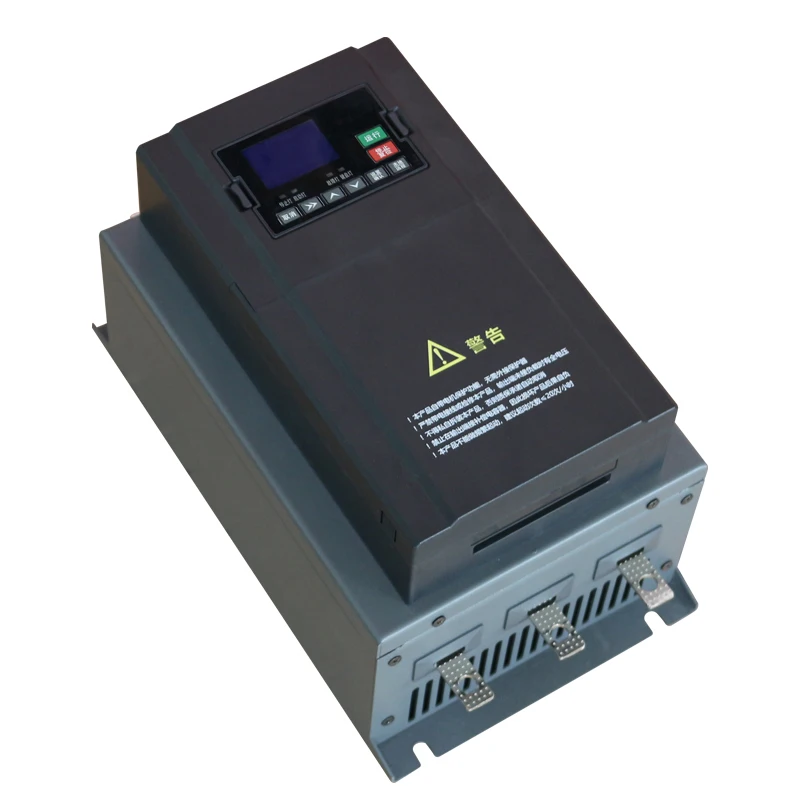
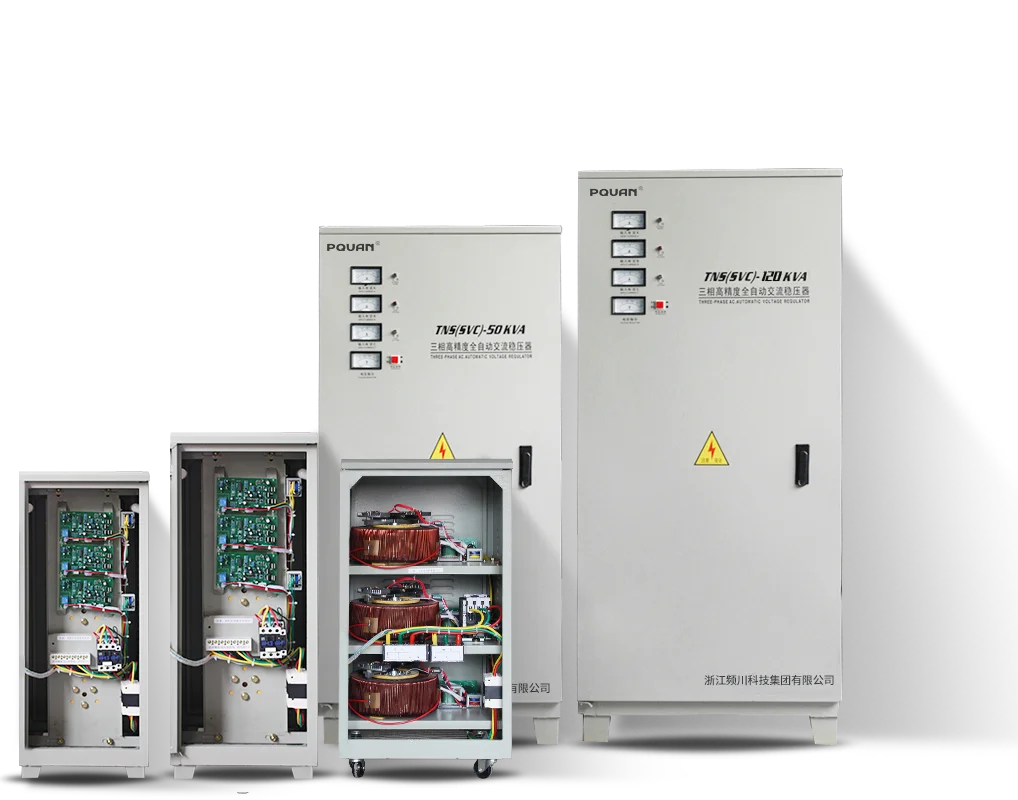
digital automatic voltage regulator
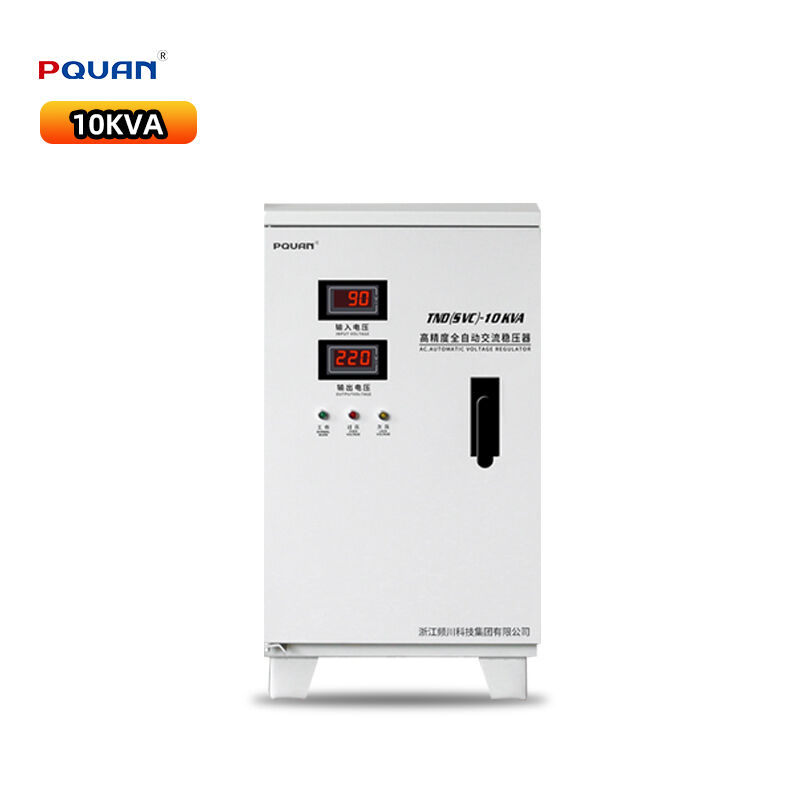
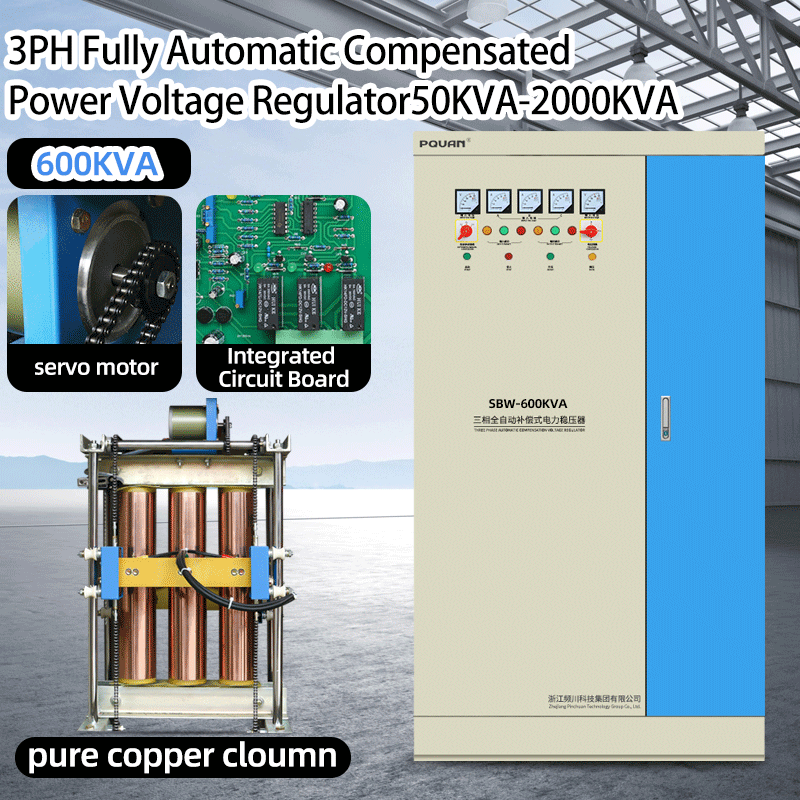
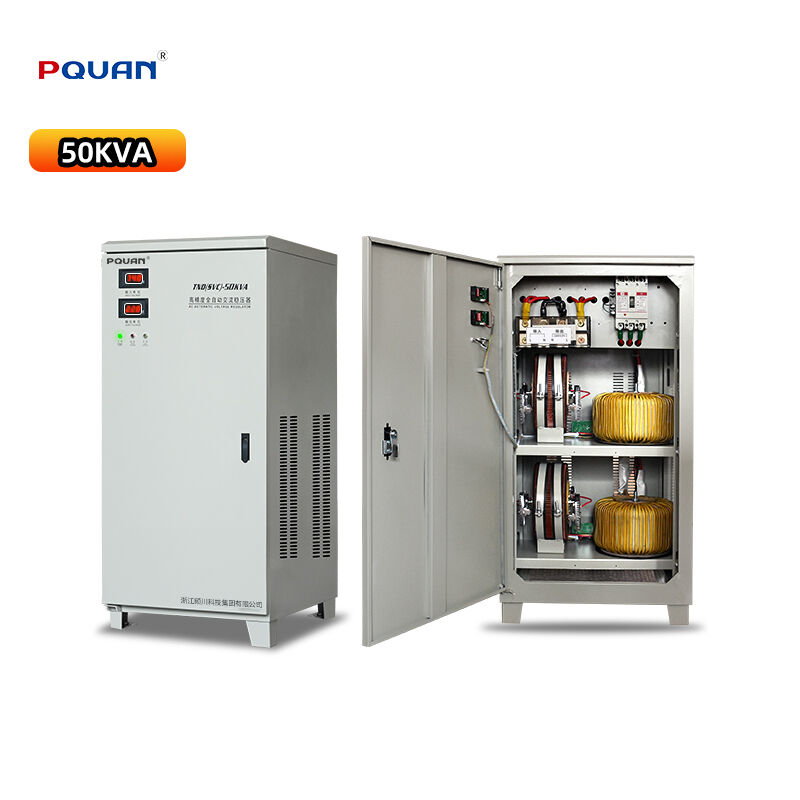
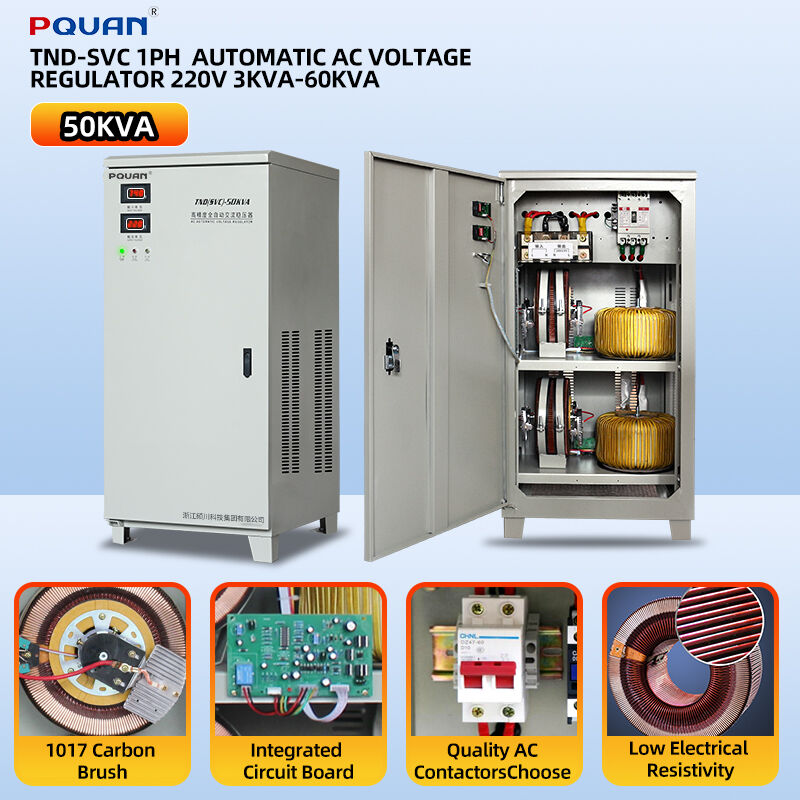
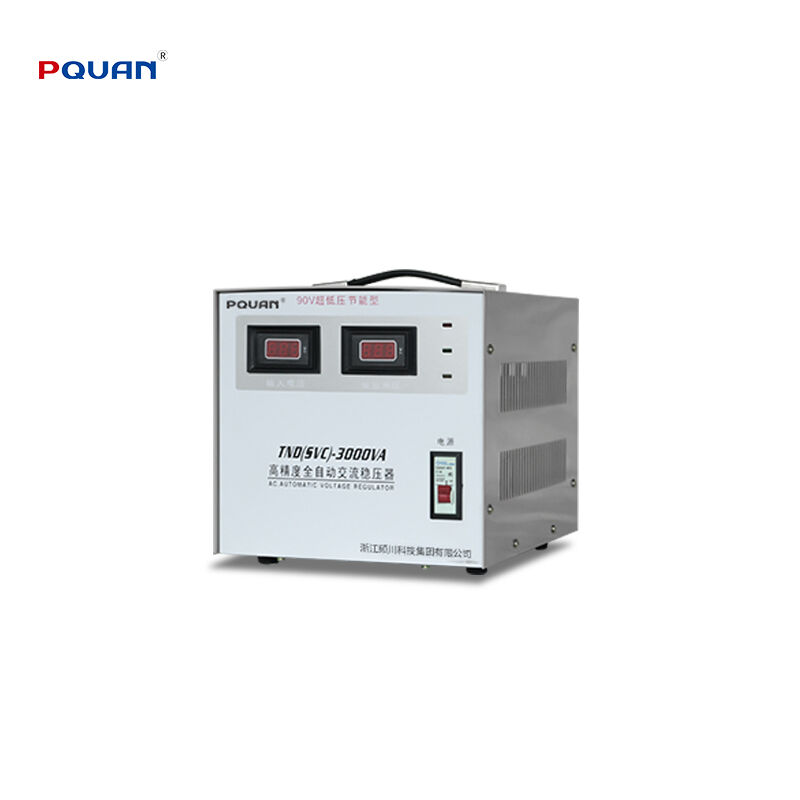
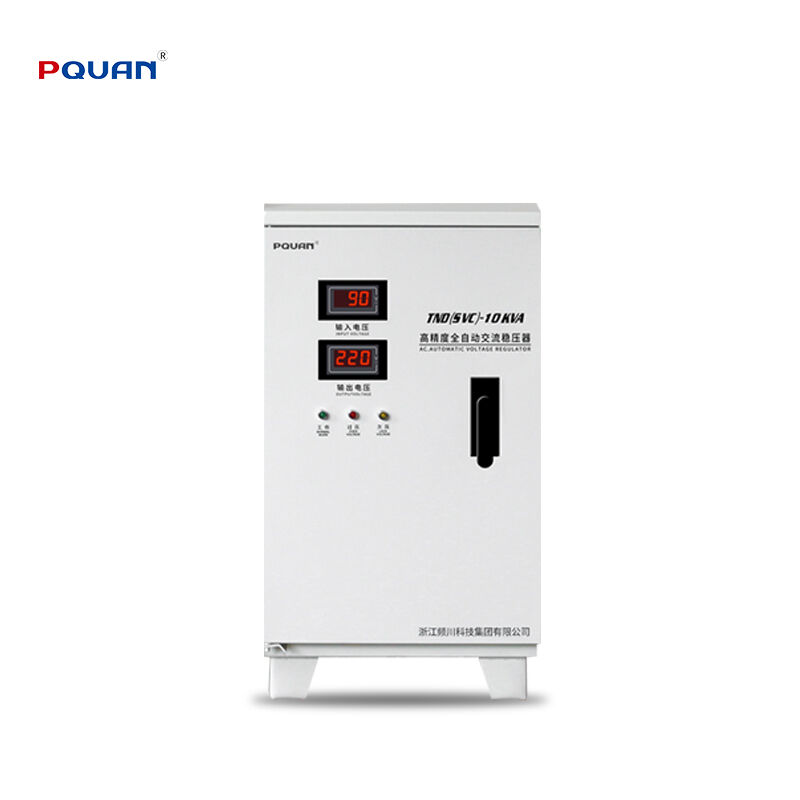
A digital automatic voltage regulator represents a sophisticated power management solution designed to maintain consistent voltage levels across electrical systems. This advanced device continuously monitors incoming power and automatically adjusts output voltage to protect sensitive equipment from damaging fluctuations. Unlike traditional mechanical voltage regulators that rely on physical components like transformers and relays, the digital automatic voltage regulator employs microprocessor-based control systems and advanced algorithms to deliver precise voltage regulation with minimal response time. The core function of this technology centers on detecting voltage variations in real-time and compensating for these changes within milliseconds, ensuring that connected devices receive stable power regardless of input conditions. Modern digital automatic voltage regulator units incorporate sophisticated sensing mechanisms that measure voltage parameters thousands of times per second, enabling instantaneous corrections before equipment experiences any adverse effects. The technological architecture features high-speed switching circuits, digital signal processing capabilities, and intelligent control logic that work together to maintain voltage stability across varying load conditions. These systems excel in environments where power quality issues such as brownouts, surges, spikes, and sags occur frequently, providing comprehensive protection for valuable electronics, industrial machinery, medical equipment, and data centers. Applications span residential installations, commercial facilities, manufacturing plants, healthcare institutions, telecommunications infrastructure, and research laboratories. The digital automatic voltage regulator serves as an essential safeguard in regions with unreliable power grids or areas experiencing rapid industrial growth where infrastructure struggles to meet demand. By maintaining voltage within tight tolerances, typically plus or minus one percent of nominal values, these regulators prevent equipment malfunctions, extend operational lifespans, reduce maintenance costs, and eliminate unexpected downtime that can disrupt business operations or compromise critical processes requiring uninterrupted power supply.
 EN
EN