 EN
EN

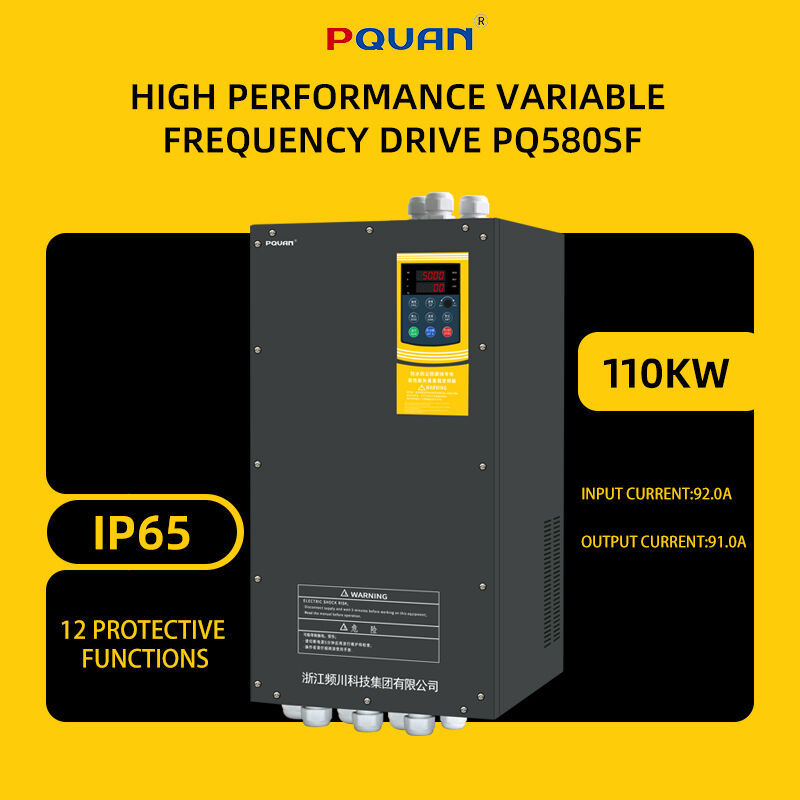
Việc chọn một nhà cung cấp chất lượng cao bộ biến tần đòi hỏi việc đánh giá cẩn trọng các thông số kỹ thuật, khả năng vận hành và các yếu tố độ tin cậy dài hạn—những yếu tố này trực tiếp ảnh hưởng đến hiệu suất hệ thống và tổng chi phí sở hữu. Các ứng dụng điều khiển động cơ công nghiệp yêu cầu độ chính xác, hiệu quả và độ bền cao từ các bộ biến tần (VFD), do đó việc đánh giá tính năng là một bước then chốt trong quyết định mua sắm. Việc hiểu rõ những tính năng nào làm nổi bật các giải pháp bộ biến tần (VFD) cao cấp so với các mẫu cơ bản giúp kỹ sư và quản lý cơ sở có thể lựa chọn bộ biến tần phù hợp với yêu cầu thực tế của ứng dụng, từ đó tránh cả hai rủi ro: lãng phí do chọn thiết bị vượt quá yêu cầu và hiệu suất kém do thiết bị không đáp ứng đủ nhu cầu. Bối cảnh cạnh tranh của công nghệ điều khiển động cơ hiện nay mang đến nhiều lựa chọn, tuy nhiên chỉ những bộ biến tần tích hợp các yếu tố thiết kế cụ thể, cơ chế bảo vệ đầy đủ và độ tinh vi trong điều khiển mới thực sự mang lại giá trị ổn định trong các môi trường công nghiệp khắc nghiệt.
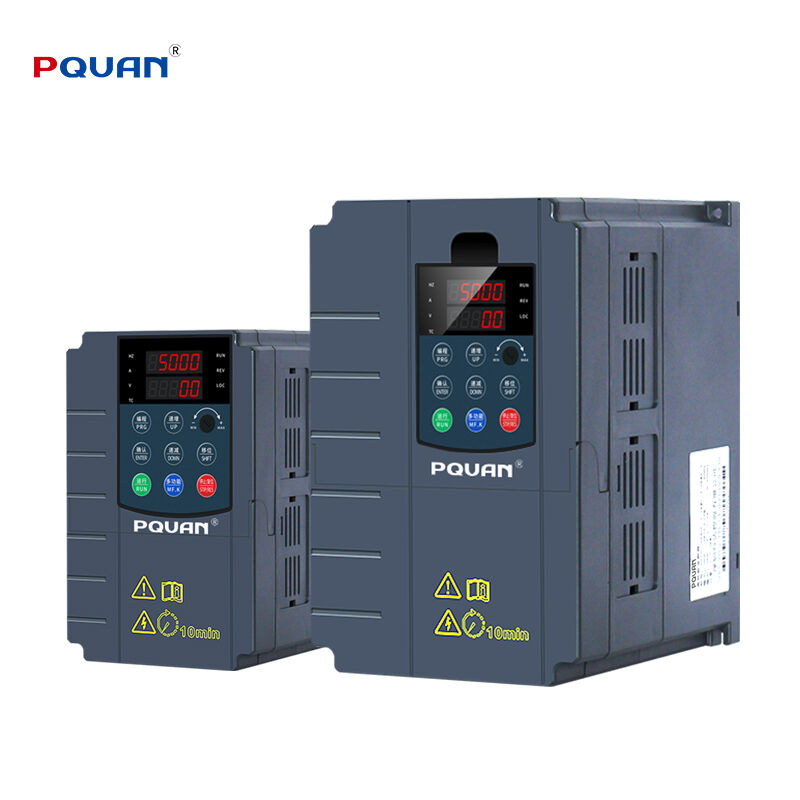
Các tính năng xác định một bộ biến tần (VFD) chất lượng cao vượt xa chức năng đơn thuần là chuyển đổi tần số, bao gồm kiến trúc quản lý nhiệt, các lớp bảo vệ điện, cơ chế điều khiển chính xác và khả năng hỗ trợ các giao thức truyền thông—tất cả cùng góp phần quyết định thành công trong vận hành. Quy trình sản xuất, chất lượng linh kiện và độ tinh vi của phần mềm firmware là những yếu tố phân biệt rõ ràng giữa các bộ biến tần cao cấp với các sản phẩm đại trà, và những khác biệt này thể hiện rõ qua các chỉ số thời gian hoạt động thực tế (uptime), chu kỳ bảo trì và mức độ ổn định quy trình trong suốt các giai đoạn vận hành kéo dài nhiều năm. Việc đánh giá toàn diện này xác định các tính năng thiết yếu cần được ưu tiên khi lựa chọn bộ biến tần, cung cấp cho người ra quyết định các tiêu chí thực tiễn nhằm đánh giá chất lượng bộ biến tần cũng như lựa chọn đúng khả năng đáp ứng từng thách thức cụ thể về điều khiển động cơ trong các ứng dụng công nghiệp, HVAC, xử lý nước và sản xuất.
Độ chính xác điều khiển và đặc tính phản hồi
Chất lượng triển khai điều khiển vector
Các bộ điều khiển biến tần (VFD) chất lượng cao tích hợp các thuật toán điều khiển vector tiên tiến, cho phép quản lý mô-men xoắn và điều chỉnh tốc độ một cách chính xác trên toàn bộ dải vận hành của động cơ. Điều khiển vector vòng hở mang lại những cải thiện đáng kể về hiệu năng so với các phương pháp điều khiển V/F cơ bản, cung cấp đặc tính mô-men xoắn ở tốc độ thấp tốt hơn và phản ứng động nhanh hơn trước các thay đổi tải mà không cần tín hiệu phản hồi từ encoder. Năng lực tính toán và mức độ tinh vi của thuật toán được tích hợp trong bộ xử lý điều khiển trực tiếp ảnh hưởng đến độ chính xác điều khiển; các bộ điều khiển cao cấp thực hiện các phép tính mô hình động cơ phức tạp với tần số làm mới cao nhằm duy trì sự tách biệt chính xác giữa thành phần từ thông và thành phần mô-men xoắn. Chất lượng điều khiển vector trở nên đặc biệt rõ rệt trong các ứng dụng yêu cầu thay đổi tốc độ thường xuyên, mô-men xoắn khởi động cao ở tốc độ thấp hoặc định vị chính xác mà không sử dụng hệ thống phản hồi vòng kín.
Khả năng điều khiển vector vòng kín đại diện cho một tập hợp tính năng cao cấp trong các thiết kế bộ biến tần (VFD) vượt trội, sử dụng phản hồi từ encoder hoặc resolver để đạt được các đặc tính hiệu suất tương tự như hệ thống servo trong các ứng dụng động cơ cảm ứng thông thường. Chế độ điều khiển này cho phép độ chính xác điều chỉnh tốc độ trong phạm vi 0,01% so với giá trị đặt, thời gian đáp ứng mô-men xoắn dưới 20 mili giây, và hoạt động ổn định ngay cả ở tốc độ bằng không với khả năng cung cấp đầy đủ mô-men xoắn. Chất lượng tích hợp giữa xử lý tín hiệu phản hồi, các vòng điều khiển dòng điện và các phép tính mô hình động cơ quyết định hiệu suất thực tế của hệ thống điều khiển vector vòng kín; các triển khai kém hơn có thể gặp phải hiện tượng dao động, khả năng loại bỏ nhiễu thấp hoặc mất ổn định tại một số điểm vận hành nhất định. Các ứng dụng liên quan đến điều khiển lực căng, hệ thống đa trục đồng bộ hoặc định vị chính xác sẽ hưởng lợi đáng kể từ việc triển khai điều khiển vector vòng kín chất lượng cao.
Khả năng điều chỉnh tần số sóng mang và quản lý tiếng ồn
Khả năng điều chỉnh tần số sóng mang PWM trong phạm vi rộng là yếu tố phân biệt một bộ biến tần chất lượng bộ biến tần các sản phẩm từ những lựa chọn hạn chế, cho phép tối ưu hóa theo các đặc tính động cơ cụ thể, chiều dài cáp và yêu cầu về âm thanh. Tần số mang tiêu chuẩn nằm trong khoảng từ 2 kHz đến 16 kHz đáp ứng được phần lớn các ứng dụng, trong khi các bộ biến tần cao cấp mở rộng dải tần này lên 20 kHz hoặc cao hơn nhằm đáp ứng các yêu cầu đặc biệt về giảm tiếng ồn hoặc vận hành cùng các động cơ có cấu hình dây quấn đặc thù. Tần số mang cao hơn giúp giảm tiếng ồn âm thanh phát ra từ động cơ và độ gợn dòng điện, nhưng đồng thời làm tăng tổn hao chuyển mạch trong tầng công suất của bộ biến tần, do đó đòi hỏi hệ thống quản lý nhiệt hiệu quả để đảm bảo độ tin cậy. Các bộ biến tần chất lượng cao áp dụng cơ chế điều chỉnh thông minh tần số mang, tự động thay đổi tần số chuyển mạch dựa trên dòng điện đầu ra, nhiệt độ và điều kiện vận hành nhằm cân bằng giữa hiệu năng và ứng suất nhiệt.
Chiến lược quản lý tần số sóng mang được áp dụng bởi một bộ biến tần tiết lộ sự tinh xảo trong thiết kế và chất lượng linh kiện, với các bộ biến tần cao cấp duy trì tần số chuyển mạch cao ngay cả trong điều kiện tải nặng, trong khi các mẫu cơ bản buộc phải giảm tần số để tránh quá nhiệt. Mối quan hệ giữa khả năng tần số sóng mang, chất lượng IGBT, thiết kế tản nhiệt và hiệu quả của hệ thống làm mát trở nên rõ ràng trong quá trình vận hành liên tục ở nhiệt độ môi trường cao. Các ứng dụng yêu cầu lắp đặt gần không gian có người sinh hoạt, thiết bị đo lường chính xác hoặc thiết bị điện tử nhạy cảm đặc biệt được hưởng lợi từ các bộ biến tần có dải tần số sóng mang mở rộng cùng các thuật toán tối ưu âm học tiên tiến nhằm giảm thiểu tiếng ồn động cơ mà không ảnh hưởng đến hiệu suất tản nhiệt hay hiệu suất năng lượng.
Phanh Động Lực và Quản Lý Tái Tạo Năng Lượng
Việc quản lý năng lượng tinh vi trong quá trình giảm tốc phân biệt các hệ thống biến tần điều khiển động cơ (VFD) hiệu suất cao với các mẫu cơ bản, trong đó các biến tần chất lượng cao cung cấp nhiều chiến lược phanh và các tùy chọn xử lý năng lượng tái sinh. Các mạch điện trở phanh động với chức năng giám sát nhiệt độ chính xác và bảo vệ IGBT cho phép giảm tốc có kiểm soát các tải có quán tính cao mà không gây nhảy cầu chung DC do quá áp, trong khi việc kích hoạt tự động bộ cắt phanh ngăn ngừa các đỉnh điện áp trong các chu kỳ giảm tốc nhanh. Công suất định mức của transistor phanh, khả năng chịu chu kỳ làm việc và mức độ tích hợp về mặt nhiệt quyết định hiệu suất phanh thực tế; các giải pháp bị thiết kế thiếu công suất sẽ hạn chế tốc độ giảm tốc hoặc gây ra các lỗi bất thường trong quá trình vận hành bình thường. Các biến tần cao cấp tích hợp khả năng phanh như một trang bị tiêu chuẩn đi kèm hệ thống quản lý nhiệt thông minh, thay vì cung cấp tính năng này như một tùy chọn giá rẻ.
Khả năng tái tạo năng lượng là một tính năng tiên tiến trong các thiết kế bộ biến tần (VFD) chất lượng cao, cho phép thu hồi năng lượng trong các chu kỳ phanh thay vì tiêu tán công suất qua điện trở. Các thiết kế đầu vào chủ động (active front-end) hoặc mạch phản hồi điện áp trên thanh cái DC sẽ chuyển hướng năng lượng giảm tốc quay trở lại hệ thống nguồn, từ đó nâng cao hiệu suất năng lượng tổng thể của cơ sở đồng thời giảm yêu cầu làm mát và loại bỏ hoàn toàn điện trở phanh bên ngoài. Mức độ tinh vi của điều khiển tái tạo, độ chính xác trong điều chỉnh điện áp thanh cái DC và đặc tính phản ứng sự cố là những yếu tố phân biệt giữa các giải pháp triển khai hiệu quả với những thiết kế kém hơn — vốn có thể gây ra các vấn đề về chất lượng điện hoặc nhiễu loạn nguồn cung cấp. Các ứng dụng có chu kỳ tăng tốc–giảm tốc thường xuyên, hệ thống băng tải dốc xuống, hoặc hoạt động cần cẩu sẽ đạt được mức giảm đáng kể chi phí vận hành và cải thiện độ tin cậy nhờ việc triển khai các bộ biến tần (VFD) tái tạo chất lượng cao.
Hệ thống Bảo vệ và Quản lý Sự cố
Bảo vệ Đầu vào và Đầu ra Đầy đủ
Các kiến trúc bảo vệ nhiều lớp đặc trưng cho thiết kế bộ biến tần (VFD) cao cấp, tích hợp các hệ thống giám sát dự phòng nhằm ngăn ngừa hư hỏng linh kiện đồng thời duy trì khả dụng tối đa trong các điều kiện bất thường. Bảo vệ ở giai đoạn đầu vào bao gồm phát hiện mất pha, giám sát điện áp thấp và điện áp cao kèm khả năng vận hành liên tục (ride-through), cũng như khử xung để duy trì hoạt động trong các nhiễu loạn ngắn hạn của hệ thống điện. Các bộ biến tần chất lượng cao có khả năng phân biệt giữa các sự kiện nhất thời — yêu cầu điều chỉnh tạm thời chế độ vận hành — và các tình trạng sự cố kéo dài — đòi hỏi phải ngừng hoạt động, từ đó giảm thiểu tối đa các lần ngắt không cần thiết làm gián đoạn quá trình sản xuất. Mức độ tinh vi của chức năng bảo vệ đầu vào có tương quan trực tiếp với tỷ lệ sống sót của bộ biến tần tại các cơ sở thường xuyên gặp phải các vấn đề về chất lượng điện, sụt áp hoặc nhiễu loạn trong hệ thống cung cấp điện.
Bảo vệ tầng đầu ra trong các bộ biến tần (VFD) chất lượng cao bao gồm phát hiện quá dòng với ngưỡng ngắt điều chỉnh được, giám sát sự cố chạm đất, bảo vệ động cơ khỏi quá nhiệt và phát hiện mất cân bằng pha—tất cả cùng nhau ngăn ngừa hư hỏng động cơ và bộ biến tần trong nhiều tình huống sự cố khác nhau. Thời gian phản hồi của chức năng bảo vệ ngắn mạch dưới 10 microgiây giúp bảo vệ các module IGBT khỏi hư hỏng nghiêm trọng, trong khi các thuật toán mô hình hóa nhiệt học ngăn ngừa tổn thương tích lũy do các điều kiện quá tải lặp đi lặp lại. Các bộ biến tần tiên tiến thực hiện chức năng bảo vệ nhiệt cho động cơ dựa trên dòng tải thực tế, nhiệt độ môi trường và điều kiện làm mát thay vì chỉ dựa vào phép tính đơn giản I²t, từ đó cung cấp khả năng bảo vệ chính xác mà không gây ngắt điện sai do nhiễu. Việc tích hợp giữa các chức năng bảo vệ và các thuật toán điều khiển cho phép các bộ biến tần chất lượng cao tiếp tục vận hành ở công suất giảm trong các điều kiện giới hạn thay vì tắt máy một cách không cần thiết.
Khả năng thích nghi với môi trường và dải hoạt động
Các thông số kỹ thuật hoạt động trong môi trường rộng giúp phân biệt rõ các sản phẩm bộ điều khiển tốc độ biến tần (VFD) dành cho công nghiệp so với các lựa chọn thương mại, trong đó những thiết bị chất lượng cao duy trì hiệu suất đầy đủ trong dải nhiệt độ môi trường từ -10°C đến +50°C mà không cần giảm công suất định mức. Việc phủ lớp bảo vệ chống ẩm (conformal coating) lên bảng mạch in, sử dụng đầu nối kín và các linh kiện cơ khí chống ăn mòn cho phép thiết bị vận hành ổn định và đáng tin cậy trong các môi trường ẩm ướt, nhiều bụi hoặc có tính ăn mòn hóa học—đây là những đặc điểm điển hình của các cơ sở công nghiệp. Cấp độ bảo vệ vỏ bọc (enclosure rating) ảnh hưởng trực tiếp đến tính linh hoạt khi lắp đặt cũng như độ tin cậy lâu dài; các bộ điều khiển tốc độ đạt chuẩn IP54 hoặc IP65 phù hợp để lắp đặt trong môi trường khắc nghiệt mà không cần tủ bảo vệ bổ sung. Các bộ điều khiển tốc độ cao cấp tích hợp thuật toán giảm công suất tự động, giúp giảm dần dòng điện đầu ra khi nhiệt độ tăng lên thay vì ngắt đột ngột, từ đó duy trì một phần năng lực sản xuất ngay cả trong điều kiện chịu ứng suất nhiệt.
Bù độ cao và khả năng thích ứng với dải điện áp đầu vào là những tính năng quan trọng trong thiết kế bộ biến tần (VFD) chất lượng cao, giúp đảm bảo hiệu suất ổn định trong nhiều điều kiện lắp đặt và nguồn cung cấp khác nhau. Các bộ biến tần được chỉ định để vận hành ở độ cao lên đến 4000 mét mà không cần giảm công suất tích hợp hệ thống làm mát nâng cao và lựa chọn linh kiện đặc biệt nhằm bù đắp cho sự giảm mật độ không khí và hiệu quả làm mát. Dải dung sai điện áp đầu vào rộng, thường là ±15% so với giá trị định mức, cho phép thiết bị vận hành bình thường ngay cả khi điện áp nguồn dao động, mà không cần chuyển sang chế độ chạy trực tiếp (bypass) hay tắt máy. Các bộ biến tần chất lượng cao duy trì đầy đủ các thông số hiệu suất đầu ra trên toàn bộ dải điện áp đầu vào, thay vì giảm khả năng hoạt động ở các giới hạn điện áp cực đại hoặc cực tiểu, từ đó đảm bảo hiệu suất động cơ ổn định bất kể điều kiện điện của cơ sở.
Chẩn đoán dự báo và giám sát tình trạng
Các mô hình bộ điều khiển tần số biến đổi (VFD) nâng cao tích hợp khả năng giám sát tình trạng vận hành, cho phép lên lịch bảo trì dự đoán và phát hiện sớm sự cố trước khi xảy ra hỏng hóc nghiêm trọng. Việc giám sát nhiệt độ bên trong tại nhiều vị trí, đánh giá tình trạng sức khỏe của tụ điện trên đường dây DC, xác minh hoạt động của quạt và phát hiện mức độ lão hóa của IGBT cung cấp cho đội ngũ bảo trì những thông tin có thể hành động được về tình trạng của bộ điều khiển. Các bộ điều khiển chất lượng cao ghi lại lịch sử sự cố kèm theo dấu thời gian, điều kiện vận hành và dữ liệu môi trường, từ đó hỗ trợ phân tích nguyên nhân gốc rễ thay vì chỉ hiển thị mã lỗi. Độ tinh vi trong chẩn đoán được tích hợp sẵn trong các bộ điều khiển cao cấp giúp giảm thời gian trung bình để sửa chữa (MTTR) bằng cách cung cấp thông tin cụ thể về vị trí sự cố cũng như các quy trình xử lý sự cố hướng dẫn thông qua màn hình tích hợp hoặc các thiết bị kết nối.
Khả năng tích hợp giám sát từ xa và ghi dữ liệu mở rộng giá trị chẩn đoán của các hệ thống biến tần (VFD) chất lượng cao, cho phép quan sát tập trung trên toàn bộ hệ thống điều khiển động cơ phân tán. Khả năng kết nối Ethernet, hỗ trợ giao thức Modbus TCP và tương thích với Internet vạn vật công nghiệp (IIoT) cho phép các biến tần báo cáo các thông số vận hành, mức tiêu thụ năng lượng, tình trạng sự cố và các chỉ số hiệu suất tới các hệ thống quản lý cơ sở. Các biến tần cao cấp lưu tạm dữ liệu lịch sử bên trong bộ nhớ khi xảy ra gián đoạn truyền thông, ngăn ngừa mất mát thông tin và duy trì đầy đủ hồ sơ vận hành. Mức độ chi tiết dữ liệu, dung lượng ghi dữ liệu và các công cụ phân tích được cung cấp là những yếu tố phân biệt giữa các biến tần cơ bản có khả năng truyền thông và các giải pháp giám sát tình trạng toàn diện — những giải pháp này hỗ trợ ra quyết định bảo trì dựa trên dữ liệu cũng như tối ưu hóa quy trình.
Chất lượng điện tử công suất và quản lý nhiệt
Lựa chọn và triết lý định mức mô-đun IGBT
Việc lựa chọn và các biên dự phòng về định mức của các linh kiện bán dẫn công suất được sử dụng trong thiết kế bộ biến tần (VFD) về cơ bản quyết định độ tin cậy và tuổi thọ của thiết bị trong điều kiện vận hành thực tế. Các bộ biến tần chất lượng cao sử dụng các module IGBT có định mức vượt xa dòng điện đầu ra danh định, thường đạt 150–200% định mức liên tục, nhằm tạo ra dự phòng nhiệt và giảm ứng suất nhiệt tại mặt ghép (junction temperature) trong quá trình vận hành bình thường. Các nhà sản xuất cao cấp lựa chọn module IGBT từ các nhà cung cấp cấp một (tier-one) có hồ sơ đáng tin cậy đã được kiểm chứng và áp dụng quy trình kiểm tra nhập kho nghiêm ngặt, thay vì chấp nhận các linh kiện phổ thông chỉ dựa trên các thông số kỹ thuật ghi trong bảng dữ liệu (datasheet). Chiến lược song song hóa IGBT trong các bộ biến tần công suất cao phản ánh trình độ tinh xảo trong thiết kế: các giải pháp chất lượng đảm bảo việc chia sẻ dòng điện thông qua việc sử dụng các linh kiện được ghép đôi chính xác, tối ưu hóa tín hiệu điều khiển cổng (gate drive) và cân bằng nhiệt (thermal symmetry), thay vì dựa vào phương pháp trung bình thống kê.
Chất lượng mạch điều khiển cổng ảnh hưởng trực tiếp đến hiệu suất chuyển mạch, hiệu suất năng lượng và tỷ lệ hỏng hóc của IGBT; các thiết kế bộ biến tần (VFD) cao cấp tích hợp mạch điều khiển cổng cách ly, mạch kẹp Miller chủ động và mạch phát hiện mất bão hòa (desaturation detection) cho từng vị trí chuyển mạch. Việc lựa chọn điện trở cổng, tối ưu hóa bố trí mạch in (PCB) và mức điện áp cổng phản ánh sự chú trọng kỹ lưỡng của kỹ sư đối với tổn thất chuyển mạch, phát sinh nhiễu điện từ (EMI) và khả năng chịu đựng ngắn mạch. Các giải pháp điều khiển cổng kém chất lượng dẫn đến tổn thất chuyển mạch quá mức, nhiễu điện từ (EMI) và hỏng hóc IGBT trong điều kiện sự cố. Các bộ biến tần chất lượng cao thể hiện mức độ tăng nhiệt độ tại mặt ghép (junction temperature) thấp hơn, mức phát xạ EMI giảm và khả năng vận hành liên tục khi có sự cố (fault ride-through capability) vượt trội — đây là những hệ quả trực tiếp của việc thiết kế mạch điều khiển cổng và lựa chọn linh kiện ở trình độ cao.
Thiết kế đường dây DC Bus và chất lượng cụm tụ điện
Kiến trúc bus DC và việc lựa chọn tụ điện trong bộ biến tần (VFD) xác định khả năng chịu dòng gợn, điều chỉnh điện áp và độ tin cậy dài hạn dưới các điều kiện vận hành khắc nghiệt. Các bộ biến tần chất lượng cao sử dụng tụ film hoặc cụm tụ lai thay vì chỉ dựa vào tụ điện phân cực, nhờ đó cải thiện khả năng xử lý dòng gợn, giảm điện trở suất tương đương (ESR) và kéo dài tuổi thọ vận hành. Phương pháp lắp đặt tụ điện, mức độ ghép nhiệt và tích hợp hệ thống làm mát ảnh hưởng đến nhiệt độ vận hành thực tế cũng như tốc độ lão hóa; các thiết kế cao cấp duy trì nhiệt độ tụ điện ở mức thấp hơn nhiều so với giới hạn tối đa trong suốt quá trình vận hành liên tục. Việc dự phòng cụm tụ điện và các phương pháp giảm tải (derating) giúp phân biệt rõ các thiết kế thận trọng—tối ưu cho độ bền lâu dài—với các giải pháp cắt giảm chi phí, vốn vận hành gần sát giới hạn của linh kiện.
Khả năng điều chỉnh điện áp bus DC tiết lộ chất lượng tầng công suất và độ tinh vi của hệ thống điều khiển trong các ứng dụng bộ biến tần (VFD), với những bộ biến tần cao cấp duy trì điện áp bus ổn định trên phạm vi tải rộng và trong điều kiện biến động nguồn cung. Việc điều chỉnh chủ động điện áp bus thông qua các mạch sạc được điều khiển, chất lượng triển khai chức năng khởi động mềm và giới hạn dòng xung đầu vào bảo vệ cả các thành phần bên trong bộ biến tần lẫn hệ thống nguồn cung cấp phía trước. Giá trị định mức của điện trở tiền sạc bus, chất lượng contactor bỏ qua và trình tự điều khiển xác định độ tin cậy khi khởi động cũng như mức độ ứng suất tác động lên các linh kiện. Các bộ biến tần cao cấp tích hợp chức năng giám sát điện áp bus cùng các thuật toán dự báo nhằm phát hiện sớm sự suy giảm tụ điện, sự cố mạch sạc hoặc vấn đề liên quan đến hệ thống nguồn cung cấp trước khi xảy ra hỏng hóc nghiêm trọng, từ đó cho phép can thiệp bảo trì chủ động.
Hiệu quả của Hệ thống Quản lý Nhiệt
Quản lý nhiệt toàn diện phân biệt các thiết kế bộ điều khiển tần số biến đổi (VFD) đáng tin cậy với những triển khai ở mức giới hạn, trong đó các thiết bị chất lượng cao được trang bị tản nhiệt có kích thước lớn hơn yêu cầu, đường dẫn luồng khí được tối ưu hóa và hệ thống điều khiển quạt thông minh nhằm duy trì nhiệt độ linh kiện trong giới hạn an toàn và dự phòng. Cách tiếp cận thiết kế tản nhiệt phản ánh ưu tiên kỹ thuật của nhà sản xuất, với các bộ điều khiển cao cấp sử dụng hình dạng cánh tản nhiệt tiên tiến, tích hợp ống dẫn nhiệt hoặc các tùy chọn làm mát bằng chất lỏng nhằm giảm điện trở nhiệt và nâng cao hiệu quả tản nhiệt. Chất lượng lựa chọn quạt, xếp hạng tuổi thọ bạc đạn và các giải pháp dự phòng ảnh hưởng trực tiếp đến độ tin cậy dài hạn; các bộ điều khiển chất lượng cao thường sử dụng hai quạt với chức năng chuyển đổi tự động hoặc làm mát tốc độ biến đổi, điều chỉnh theo nhu cầu nhiệt thực tế. Độ tinh vi trong việc phát hiện sự cố quạt và khả năng điều chỉnh chế độ vận hành khi khả năng làm mát suy giảm giúp ngăn ngừa hư hại do nhiệt đồng thời duy trì hoạt động ở mức một phần.
Độ chi tiết trong giám sát nhiệt độ và các thuật toán quản lý nhiệt được tích hợp trong thiết kế bộ biến tần (VFD) chất lượng cao cho phép kiểm soát chính xác mức ứng suất tác động lên các linh kiện cũng như bảo vệ chủ động chống quá nhiệt. Nhiều cảm biến nhiệt được bố trí tại các vị trí then chốt cung cấp khả năng quan sát toàn diện về nhiệt độ, trong khi các bộ biến tần tiên tiến còn triển khai các mô hình nhiệt nhằm dự đoán nhiệt độ điểm nối (junction temperature) dựa trên điều kiện vận hành thay vì chỉ dựa vào các phép đo nhiệt độ của bộ tản nhiệt. Các chiến lược giảm công suất thông minh làm giảm dần công suất đầu ra khi nhiệt độ tăng lên, giúp duy trì hoạt động ở mức công suất thấp hơn thay vì ngắt đột ngột. Chất lượng của hệ thống quản lý nhiệt trở nên đặc biệt rõ rệt trong các tình huống vận hành liên tục ở nhiệt độ môi trường cao hoặc sau khi hiệu suất hệ thống làm mát suy giảm, khi các bộ biến tần cao cấp vẫn duy trì hoạt động trong khi các giải pháp thay thế kém hơn lại ngắt do lỗi quá nhiệt.
Khả năng giao tiếp và tính năng tích hợp
Hỗ trợ giao thức công nghiệp và tích hợp mạng
Hỗ trợ giao thức truyền thông toàn diện cho phép tích hợp liền mạch các bộ biến tần (VFD) chất lượng cao vào các hệ thống tự động hóa công nghiệp hiện đại, loại bỏ bộ chuyển đổi giao diện và giảm độ phức tạp của hệ thống. Hỗ trợ natively các giao thức Modbus RTU, Modbus TCP, Profibus, EtherNet/IP và EtherCAT cho phép các bộ biến tần giao tiếp trực tiếp với PLC, hệ thống SCADA và nền tảng quản lý tòa nhà. Chất lượng triển khai giao thức — bao gồm chứng nhận tuân thủ, mức độ đầy đủ của việc ánh xạ tham số và khả năng truy cập thông tin chẩn đoán — là yếu tố phân biệt giữa khả năng kết nối chức năng thông thường và các giải pháp tự động hóa thực sự được tích hợp. Các bộ biến tần cao cấp cung cấp khả năng truy cập rộng rãi vào nhiều tham số thông qua giao diện mạng, cho phép cấu hình từ xa, giám sát và chẩn đoán mà không cần truy cập vật lý vào các đầu nối của bộ biến tần.
Hiệu suất thời gian thực của các giao diện truyền thông trong các ứng dụng bộ biến tần (VFD) quyết định mức độ phù hợp cho điều khiển yêu cầu thời gian chính xác và các hệ thống đa trục đồng bộ. Các bộ biến tần chất lượng cao triển khai các giao thức truyền thông xác định với thời gian phản hồi được đảm bảo, cho phép tích hợp vào các mạng điều khiển chuyển động cũng như các ứng dụng điều khiển quy trình phối hợp. Việc sử dụng băng thông mạng, tốc độ cập nhật dữ liệu theo chu kỳ và khả năng truy cập tham số ngoài chu kỳ phản ánh mức độ tối ưu hóa ngăn xếp truyền thông cũng như việc phân bổ công suất xử lý. Các bộ biến tần hỗ trợ hồ sơ IEC 61800-7 hoặc mô tả thiết bị trung lập với nhà cung cấp giúp đơn giản hóa việc tích hợp và cung cấp các giao diện nhất quán trong các hệ thống lắp đặt hỗn hợp nhiều thiết bị. Các tùy chọn dự phòng truyền thông—bao gồm cấu hình hai cổng và hỗ trợ tô-pô vòng—nâng cao tính sẵn sàng của hệ thống trong các ứng dụng quan trọng.
Tính linh hoạt của đầu vào/đầu ra tương tự và số
Các cấu hình đầu vào và đầu ra linh hoạt trong thiết kế bộ biến tần (VFD) chất lượng cao đáp ứng được nhiều chiến lược điều khiển và yêu cầu tích hợp khác nhau mà không cần sử dụng các mô-đun giao diện bên ngoài. Nhiều đầu vào tương tự với dải điện áp hoặc dòng điện có thể lựa chọn cho phép thiết lập giá trị tham chiếu tốc độ, phản hồi quá trình và điều khiển đa thông số từ các cảm biến phân tán hoặc hệ thống điều khiển. Độ phân giải đầu vào tương tự — thường là 12 bit hoặc cao hơn ở các bộ biến tần chất lượng cao — cùng với tần số lấy mẫu xác định độ chính xác điều khiển và khả năng đáp ứng động. Các đầu ra tương tự có thể cấu hình cung cấp tín hiệu dòng điện động cơ, tần số, công suất hoặc các thông số tùy chỉnh tới các thiết bị giám sát hoặc điều khiển bên ngoài; các giải pháp chất lượng cao còn cung cấp đầu ra cách ly nhằm ngăn ngừa các vấn đề do vòng lặp nối đất.
Số lượng và tính linh hoạt trong cấu hình đầu vào/dầu ra kỹ thuật số là yếu tố phân biệt các nền tảng biến tần (VFD) có khả năng thích ứng cao với các giải pháp hạn chế hơn; các thiết bị chất lượng cao thường được trang bị tiêu chuẩn từ 6–10 đầu vào kỹ thuật số và từ 3–5 đầu ra rơ-le hoặc transistor. Các chức năng đầu vào lập trình được — bao gồm lựa chọn đa tốc độ, dừng khẩn cấp, điều khiển hướng quay và đặt lại lỗi — cho phép thực hiện điều khiển nâng cao mà không cần tích hợp PLC. Các chức năng đầu ra có thể cấu hình — như báo lỗi, trạng thái đang chạy, phát hiện tần số và cảnh báo tùy chỉnh — cung cấp phản hồi cần thiết cho hệ thống điều khiển cũng như người vận hành. Dải điện áp đầu vào cho phép chịu sai lệch, thông số về khả năng chống nhiễu và thời gian đáp ứng phản ánh chất lượng thiết kế mạch và mức độ phù hợp của thiết bị trong môi trường công nghiệp có nhiễu điện và dao động điện áp.
Khả năng truy cập để lập trình và cấu hình
Chất lượng giao diện người dùng và khả năng truy cập cấu hình trong các sản phẩm bộ biến tần (VFD) ảnh hưởng trực tiếp đến hiệu quả hiệu chỉnh ban đầu và tính linh hoạt trong vận hành. Các bộ biến tần chất lượng cao được trang bị màn hình đồ họa lớn, hỗ trợ đa ngôn ngữ, cấu trúc menu trực quan và giám sát thông số thời gian thực — tất cả đều góp phần thiết lập và xử lý sự cố một cách hiệu quả. Cách tổ chức thông số, chức năng sao chép và dán, cũng như cơ chế bảo vệ bằng mật khẩu nhiều cấp độ giúp thuận tiện cho cả quá trình hiệu chỉnh ban đầu lẫn các điều chỉnh vận hành liên tục sau đó. Các bộ biến tần cao cấp cung cấp phần mềm cấu hình dựa trên máy tính để bàn (PC), cho phép lập trình ngoại tuyến, so sánh thông số và tự động tạo tài liệu, từ đó rút ngắn thời gian hiệu chỉnh đối với các ứng dụng phức tạp hoặc khi lắp đặt nhiều bộ biến tần.
Các bộ thông số chuyên dụng cho từng ứng dụng và các trình hướng dẫn khởi động nhanh giúp phân biệt thiết kế bộ biến tần điều khiển tốc độ (VFD) lấy người dùng làm trung tâm với các sản phẩm chung chung đòi hỏi cấu hình thủ công chi tiết. Các bộ biến tần chất lượng cao bao gồm các bộ thông số đã được cấu hình sẵn cho các ứng dụng phổ biến như bơm, quạt, băng tải và máy nén, từ đó giảm độ phức tạp khi đưa vào vận hành và hạn chế nguy cơ sai sót trong quá trình cấu hình. Khả năng lập trình macro hoặc các hàm logic đơn giản được tích hợp sẵn trong các bộ biến tần cao cấp loại bỏ nhu cầu sử dụng thiết bị điều khiển bên ngoài đối với các tác vụ tự động hóa cơ bản. Các tính năng sao lưu và khôi phục thông số cấu hình — bao gồm hỗ trợ thẻ SD hoặc lưu trữ dựa trên mạng — giúp bảo vệ dữ liệu cấu hình khỏi bị mất mát và cho phép thay thế nhanh chóng khi thiết bị gặp sự cố.
Các tính năng về hiệu suất năng lượng và chất lượng điện
Tối ưu hóa hiệu suất trên toàn dải vận hành
Hoạt động hiệu suất cao trên toàn bộ dải tốc độ và tải là đặc điểm nổi bật của các bộ biến tần (VFD) chất lượng cao, trong đó các sản phẩm cao cấp duy trì hiệu suất trên 97% ở tải định mức và áp dụng các thuật toán nhằm giảm thiểu tổn thất trong chế độ vận hành tải một phần. Các chế độ tối ưu hóa năng lượng tự động điều chỉnh mức từ thông, tần số chuyển mạch và các thông số điều khiển dựa trên điều kiện tải thực tế, từ đó giảm tổn thất ở động cơ và bộ biến tần trong chế độ tải nhẹ — tình trạng phổ biến trong các ứng dụng mô-men xoắn thay đổi. Phương pháp xác định thông số hiệu suất phản ánh mức độ minh bạch của nhà sản xuất; các nhà cung cấp uy tín cung cấp các đường cong hiệu suất trên toàn bộ dải vận hành thay vì chỉ đưa ra thông số hiệu suất tại một điểm duy nhất — điều có thể không phản ánh đúng điều kiện vận hành thực tế.
Chức năng chế độ ngủ và khả năng khởi động lại tự động trong các thiết kế bộ biến tần (VFD) chất lượng giúp giảm tiêu thụ năng lượng trong các khoảng thời gian ngừng hoạt động kéo dài, đồng thời duy trì khả năng sẵn sàng vận hành của hệ thống. Các bộ biến tần thông minh phát hiện điều kiện không tải hoặc lưu lượng tối thiểu kéo dài và tự động chuyển sang chế độ tiêu thụ công suất thấp, giảm tiêu thụ điện năng phụ trợ trong khi vẫn giám sát các thay đổi về nhu cầu để kích hoạt khởi động lại. Giá trị chức năng được xác định bởi khả năng cấu hình điều kiện đánh thức, cài đặt độ trễ khởi động lại và độ mượt mà của quá trình chuyển đổi — các giải pháp chất lượng cao ngăn ngừa hiện tượng dao động (hunting) hoặc chu kỳ khởi động/dừng không cần thiết. Các tính năng giám sát và báo cáo năng lượng được tích hợp vào các bộ biến tần cao cấp hỗ trợ quản lý năng lượng tại cơ sở bằng cách cung cấp dữ liệu tiêu thụ, chỉ số hiệu suất và thông tin chi phí vận hành, có thể truy cập qua màn hình hiển thị cục bộ hoặc giao diện mạng.
Hiệu chỉnh hệ số công suất và giảm nhiễu hài
Hệ số công suất đầu vào và đặc tính dòng điện hài phân biệt các thiết kế bộ biến tần (VFD) chất lượng cao với các giải pháp cơ bản; các bộ biến tần cao cấp thường tích hợp cuộn kháng DC, cuộn kháng đầu vào AC hoặc thiết kế đầu cuối chủ động (active front-end), từ đó cải thiện chất lượng điện năng. Các thiết kế chỉnh lưu sáu xung tiêu chuẩn tạo ra dòng hài đáng kể, đặc biệt là hài bậc 5 và bậc 7, do đó yêu cầu bộ lọc bên ngoài hoặc giảm công suất định mức của máy biến áp nguồn. Các bộ biến tần chất lượng cao bao gồm cuộn kháng đầu vào tích hợp làm thiết bị tiêu chuẩn, giúp nâng hệ số công suất đầu vào lên 0,95 hoặc cao hơn đồng thời giảm tổng độ méo hài (THD) xuống dưới 35%. Chất lượng tích hợp cuộn kháng — bao gồm quản lý nhiệt và bảo vệ quá tải — quyết định hiệu năng thực tế và độ tin cậy so với các cuộn kháng lắp đặt bên ngoài.
Các cấu hình bộ chỉnh lưu đầu vào chủ động (active front-end) hoặc bộ chỉnh lưu nhiều xung trong các sản phẩm biến tần điều khiển tốc độ (VFD) cao cấp mang lại hiệu suất chất lượng điện vượt trội, đạt hệ số công suất trên 0,99 và độ méo hài tổng (THD) dưới 5%. Các thiết kế tiên tiến ở tầng đầu vào này loại bỏ nhu cầu sử dụng bộ lọc hài, giảm kích thước máy biến áp nguồn và cho phép khả năng tái sinh năng lượng trong quá trình hãm. Chi phí tăng thêm do nâng cấp tầng đầu vào trở nên hợp lý tại các cơ sở có yêu cầu nghiêm ngặt về chất lượng điện, sử dụng nhiều biến tần công suất lớn hoặc ứng dụng có yêu cầu tái sinh năng lượng. Các giải pháp triển khai chất lượng cao của công nghệ đầu vào chủ động thể hiện hiệu năng ổn định trước các biến động điện áp nguồn, duy trì độ méo hài thấp trên toàn dải tải và đảm bảo hoạt động đáng tin cậy trong các tình huống quá độ của hệ thống nguồn.
Khả năng chiều dài cáp động cơ và lọc đầu ra
Các thông số kỹ thuật về chiều dài tối đa của cáp động cơ và các biện pháp lọc đầu ra trong thiết kế bộ biến tần (VFD) xác định tính linh hoạt khi lắp đặt cũng như khả năng bảo vệ động cơ trong nhiều ứng dụng khác nhau. Các bộ biến tần chất lượng cao có thể sử dụng cáp động cơ không bọc chắn lên đến 150 mét và cáp bọc chắn vượt quá 300 mét mà không cần bộ lọc bên ngoài, trong khi các mẫu cơ bản có thể giới hạn chiều dài cáp ở mức 50–100 mét. Đặc tính chuyển mạch đầu ra, khả năng giới hạn dv/dt và quản lý điện áp chế độ chung quyết định khả năng thực tế về chiều dài cáp cũng như rủi ro dòng điện chạy qua ổ trục động cơ. Các bộ biến tần cao cấp tích hợp cuộn kháng đầu ra hoặc bộ lọc dv/dt nhằm giảm thời gian tăng điện áp, từ đó làm giảm căng thẳng cách điện và dòng điện chảy qua ổ trục động cơ, đặc biệt đối với các động cơ có hệ thống cách điện dây quấn chỉ đáp ứng vừa đủ yêu cầu.
Khả năng tương thích với bộ lọc sóng sin và các tùy chọn lọc tích hợp giúp phân biệt các nền tảng biến tần (VFD) linh hoạt với những giải pháp hạn chế hơn, vốn yêu cầu các loại bộ lọc bên ngoài cụ thể. Các biến tần chất lượng cao cung cấp thông số kỹ thuật rõ ràng về các loại bộ lọc tương thích, thông số cáp yêu cầu và các điều chỉnh thiết lập bảo vệ cần thiết khi vận hành cùng bộ lọc đầu ra. Các tùy chọn bộ lọc tích hợp có sẵn trong các dòng biến tần cao cấp giúp đơn giản hóa việc lắp đặt, đảm bảo tính tương thích và giảm nhu cầu về không gian tủ điện. Hướng dẫn về hệ thống cách điện động cơ do các nhà sản xuất uy tín cung cấp — bao gồm các khuyến nghị cụ thể dành cho động cơ cũ hoặc các cấu hình dây quấn đặc biệt — phản ánh chiều sâu kỹ thuật và cam kết hỗ trợ khách hàng, chứ không chỉ là những cảnh báo chung chung nhằm miễn trừ trách nhiệm.
Câu hỏi thường gặp
Tính năng quan trọng nhất khi lựa chọn biến tần (VFD) cho ứng dụng công nghiệp là gì?
Tính năng quan trọng nhất phụ thuộc vào các yêu cầu ứng dụng cụ thể, nhưng mức độ toàn diện của hệ thống bảo vệ và chất lượng quản lý nhiệt thường quyết định độ tin cậy dài hạn cũng như tổng chi phí sở hữu trong các môi trường công nghiệp đa dạng. Các bộ biến tần có kiến trúc bảo vệ nhiều lớp, thiết kế nhiệt thận trọng và khả năng xử lý sự cố mạnh mẽ có thể duy trì hoạt động ngay cả trong điều kiện bất lợi, đồng thời ngăn ngừa hư hỏng linh kiện. Các ứng dụng nên ưu tiên độ chính xác điều khiển nếu chất lượng quy trình phụ thuộc vào việc điều chỉnh tốc độ, ưu tiên khả năng giao tiếp nếu tích hợp hệ thống là yếu tố then chốt, hoặc ưu tiên các tính năng chất lượng điện nếu nhiễu hài gây ra những vấn đề ở cấp độ cơ sở hạ tầng. Việc đánh giá mức độ quan trọng của từng tính năng đòi hỏi phải hiểu rõ điều kiện vận hành thực tế, kỳ vọng về hiệu năng và năng lực bảo trì — chứ không chỉ đơn thuần so sánh các bảng thông số kỹ thuật.
Chất lượng điều khiển vector ảnh hưởng như thế nào đến hiệu năng động cơ trong các ứng dụng bộ biến tần (VFD)?
Chất lượng điều khiển vector ảnh hưởng trực tiếp đến phản ứng mô-men xoắn, độ chính xác điều chỉnh tốc độ và đặc tính hoạt động ở tốc độ thấp; các triển khai chất lượng cao mang lại hiệu suất tương tự như bộ điều khiển servo khi sử dụng động cơ cảm ứng tiêu chuẩn. Các thuật toán điều khiển vector vượt trội duy trì sự tách biệt chính xác giữa thành phần từ thông và thành phần mô-men xoắn trên toàn dải vận hành, cho phép cung cấp đầy đủ mô-men xoắn định mức ngay cả ở tốc độ bằng không, thời gian đáp ứng động dưới 50 mili-giây và độ ổn định tốc độ trong phạm vi ±0,02% mà không cần phản hồi từ bộ mã hóa. Các ứng dụng yêu cầu thay đổi tốc độ thường xuyên, yêu cầu định vị hoặc mô-men xoắn khởi động cao sẽ được hưởng lợi đáng kể nhờ việc triển khai điều khiển vector chất lượng cao. Điều khiển V/F cơ bản cung cấp hiệu suất đủ dùng cho các ứng dụng mô-men xoắn thay đổi đơn giản như quạt và bơm, nhưng thiếu độ chính xác và khả năng đáp ứng động cần thiết cho các ứng dụng đòi hỏi cao như xử lý vật liệu, điều khiển lực căng hoặc các quy trình công nghiệp.
Các giao thức truyền thông có được chuẩn hóa trên toàn bộ các nhà sản xuất biến tần (VFD) hay không?
Mặc dù các giao thức truyền thông vật lý như Modbus, Profibus và EtherNet/IP tuân theo các tiêu chuẩn đã được công bố, cách đánh địa chỉ tham số, ánh xạ dữ liệu và triển khai thông tin chẩn đoán lại có sự khác biệt đáng kể giữa các nhà sản xuất bộ biến tần (VFD) và các dòng sản phẩm khác nhau. Các nhà sản xuất bộ biến tần chất lượng cao cung cấp tài liệu chi tiết về việc triển khai giao thức, bao gồm bản đồ thanh ghi (register map), mã hàm được hỗ trợ (supported function codes) và đặc tả định dạng dữ liệu — những yếu tố giúp tích hợp thành công. Các bộ biến tần hỗ trợ hồ sơ thiết bị tiêu chuẩn như IEC 61800-7 hoặc các tệp mô tả trung lập với nhà cung cấp (vendor-neutral description files) sẽ đơn giản hóa quá trình tích hợp và đảm bảo giao diện nhất quán trên thiết bị từ các nhà cung cấp khác nhau. Đối với các ứng dụng yêu cầu tích hợp thiết bị từ nhiều nhà cung cấp, cần xác minh tính tương thích giao thức, mức độ đầy đủ của khả năng truy cập tham số và khả năng chẩn đoán ngay trong giai đoạn phát triển đặc tả kỹ thuật, thay vì giả định rằng các bộ biến tần có khả năng truyền thông đều cung cấp chức năng tương đương.
Các bộ điều khiển biến tần (VFD) chất lượng cao thường yêu cầu bảo trì gì trong suốt tuổi thọ vận hành của chúng?
Các đơn vị truyền động vfd chất lượng cao đòi hỏi bảo trì tối thiểu khi được chỉ định và lắp đặt đúng cách trong môi trường phù hợp, thường liên quan đến kiểm tra hệ thống làm mát định kỳ, xác minh độ kín kết nối và đánh giá tình trạng môi trường. Thay thế quạt làm mát là hoạt động bảo trì phổ biến nhất, với quạt chất lượng được đánh giá là 50.000-70.000 giờ ở nhiệt độ cao đòi hỏi phải thay thế mỗi 5-7 năm trong các ứng dụng liên tục. Sự suy giảm tụ bus DC trở nên có liên quan sau 7-10 năm tùy thuộc vào nhiệt độ hoạt động, với các ổ đĩa chất lượng cung cấp các chỉ số chẩn đoán cho phép thay thế dựa trên tình trạng thay vì bảo trì phòng ngừa dựa trên thời gian. Hình ảnh nhiệt thường xuyên, kiểm tra mô-men xoắn kết thúc và cập nhật phần mềm chắc chắn duy trì hiệu suất tối ưu và kéo dài tuổi thọ hoạt động. Các ổ đĩa được lắp đặt trong môi trường khắc nghiệt đòi hỏi phải kiểm tra và làm sạch thường xuyên hơn để ngăn ngừa các lỗi liên quan đến ô nhiễm.
Mục lục
- Độ chính xác điều khiển và đặc tính phản hồi
- Hệ thống Bảo vệ và Quản lý Sự cố
- Chất lượng điện tử công suất và quản lý nhiệt
- Khả năng giao tiếp và tính năng tích hợp
- Các tính năng về hiệu suất năng lượng và chất lượng điện
-
Câu hỏi thường gặp
- Tính năng quan trọng nhất khi lựa chọn biến tần (VFD) cho ứng dụng công nghiệp là gì?
- Chất lượng điều khiển vector ảnh hưởng như thế nào đến hiệu năng động cơ trong các ứng dụng bộ biến tần (VFD)?
- Các giao thức truyền thông có được chuẩn hóa trên toàn bộ các nhà sản xuất biến tần (VFD) hay không?
- Các bộ điều khiển biến tần (VFD) chất lượng cao thường yêu cầu bảo trì gì trong suốt tuổi thọ vận hành của chúng?