 EN
EN

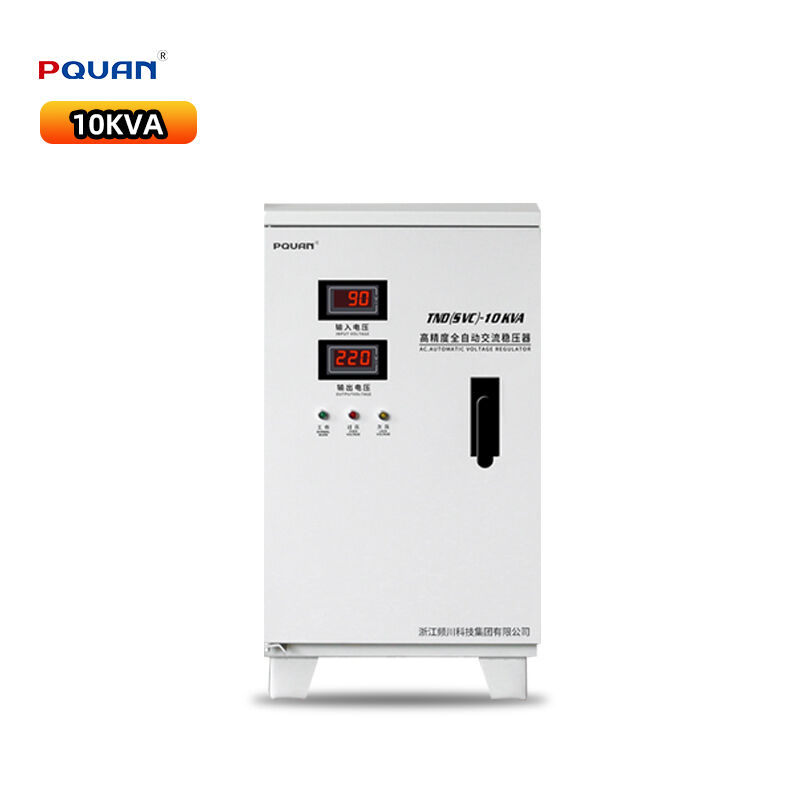
Industrial manufacturing operations depend on consistent electrical power to maintain production efficiency and equipment longevity. Power quality issues, particularly voltage fluctuations, can cause catastrophic equipment failures, production downtime, and significant financial losses across factory operations. Understanding why voltage stability matters and how voltage regulator systems protect manufacturing investments has become crucial for facility managers and plant engineers.
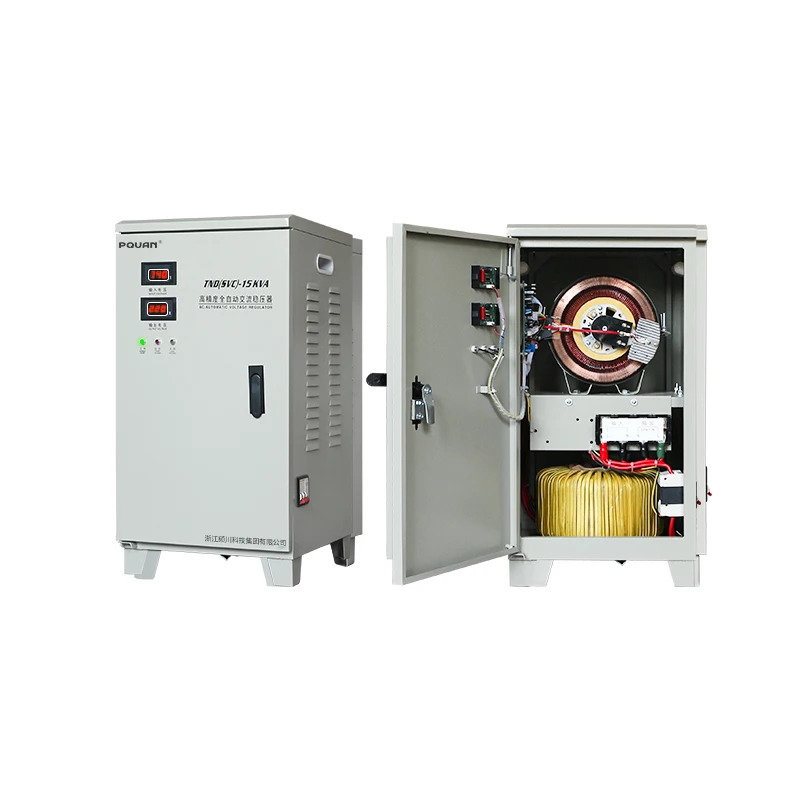
Modern factories face increasingly complex electrical challenges as automation systems, computerized controls, and precision machinery require stable power conditions to function properly. A reliable voltage regulator serves as the first line of defense against power quality problems, ensuring that manufacturing equipment receives consistent voltage levels regardless of grid fluctuations, load variations, or external electrical disturbances that can disrupt production processes.
Critical Power Quality Challenges in Manufacturing
Voltage Fluctuation Impacts on Production Equipment
Manufacturing equipment experiences severe stress when exposed to voltage variations beyond acceptable tolerances. Motor-driven machinery, computerized control systems, and precision instruments require stable voltage levels to maintain operational accuracy and prevent premature wear. When voltage levels drop below or exceed equipment specifications, motors draw excessive current, control systems malfunction, and production quality suffers significantly.
Voltage sags and surges create particularly damaging conditions for sensitive electronics integrated into modern manufacturing systems. Programmable logic controllers, variable frequency drives, and automated monitoring systems cannot compensate for significant voltage deviations, leading to process interruptions, data corruption, and equipment protection system activation that halts production lines unexpectedly.
The cumulative effect of repeated voltage stress accelerates component degradation across manufacturing equipment. Insulation breakdown, bearing failures, and electronic component burnout occur more frequently in facilities without adequate voltage regulation, creating maintenance burdens that impact both operational costs and production reliability over time.
Grid Infrastructure Limitations and Industrial Demand
Electrical grid infrastructure often struggles to maintain consistent voltage levels during peak industrial demand periods. Manufacturing facilities typically operate high-power equipment that creates significant load variations, contributing to voltage instability that affects not only individual plants but entire industrial districts sharing grid capacity.
Utility companies prioritize grid stability over individual facility voltage regulation, meaning factories cannot rely solely on grid-supplied power quality to meet their operational requirements. Weather-related events, grid maintenance activities, and neighboring facility power demands create voltage variations that require on-site voltage regulator solutions to maintain production continuity.
Remote manufacturing locations face additional challenges from transmission line losses and limited grid capacity. These facilities experience more pronounced voltage variations due to their distance from generation sources and reduced grid infrastructure investment in industrial areas, making voltage regulator systems essential for reliable operations.
Equipment Protection and Operational Benefits
Motor and Drive System Preservation
Industrial motors represent significant capital investments that require consistent voltage levels to operate within design parameters. A properly sized voltage regulator ensures that motor windings receive stable voltage, preventing overheating, excessive current draw, and insulation breakdown that leads to costly motor replacements and extended production downtime.
Variable frequency drives and servo systems demonstrate particular sensitivity to voltage variations, with built-in protection systems that shut down equipment when voltage levels exceed acceptable ranges. By maintaining stable input voltage through voltage regulator systems, factories avoid nuisance trips and maintain continuous production flow while extending drive system operational life.
Pump systems, conveyor motors, and process equipment benefit significantly from voltage regulation, operating more efficiently and requiring less maintenance when supplied with stable voltage. This translates to reduced energy consumption, lower maintenance costs, and improved production reliability across manufacturing operations.
Control System Reliability and Process Stability
Modern manufacturing relies heavily on computerized control systems that require clean, stable power to maintain accurate process control and data integrity. Voltage fluctuations can cause control system malfunctions, incorrect sensor readings, and communication errors that disrupt production sequences and compromise product quality.
Programmable logic controllers and distributed control systems perform critical functions in automated manufacturing processes, coordinating equipment operation, monitoring safety systems, and maintaining process parameters within specifications. These systems require consistent voltage levels to ensure reliable operation and prevent costly production errors.
Quality control equipment, including measurement systems, testing apparatus, and inspection devices, depends on stable voltage to maintain calibration accuracy and measurement reliability. Voltage variations can introduce measurement errors that compromise product quality and regulatory compliance in manufacturing operations.
Production Efficiency and Cost Impact Analysis
Downtime Prevention and Production Continuity
Unplanned production stops due to voltage-related equipment failures create substantial financial losses through lost production, emergency repair costs, and delayed delivery commitments. A reliable voltage regulator system prevents many of these interruptions by maintaining equipment operating conditions within acceptable parameters regardless of grid voltage variations.
Manufacturing facilities with voltage regulator protection experience significantly fewer equipment trips and process interruptions compared to facilities relying solely on grid power quality. This improved reliability translates directly to increased production capacity utilization and reduced manufacturing costs per unit produced.
Emergency equipment repairs during voltage-related failures often require premium labor rates, expedited parts procurement, and extended downtime while technicians diagnose and correct voltage-induced damage. Preventing these situations through proactive voltage regulation provides substantial cost savings and operational benefits.
Energy Efficiency and Operating Cost Reduction
Equipment operating under stable voltage conditions consumes energy more efficiently than equipment subjected to voltage variations. Motors, heating systems, and electronic equipment draw optimal current when supplied with regulated voltage, reducing overall energy consumption and associated utility costs.
Voltage regulator systems themselves contribute to energy savings by correcting voltage levels to optimal operating points for connected equipment. This optimization reduces wasted energy in motor windings, lighting systems, and electronic devices, providing ongoing operational cost benefits that help justify voltage regulator investment.
Power factor improvement often accompanies voltage regulation, as equipment operating under stable conditions maintains better power factor characteristics. This can reduce utility demand charges and power factor penalties that add to monthly electrical costs in many industrial rate structures.
Implementation Considerations for Factory Applications
System Sizing and Application Requirements
Proper voltage regulator sizing requires careful analysis of factory electrical loads, including motor starting currents, continuous operating loads, and future expansion plans. Undersized voltage regulator systems cannot maintain regulation during peak demand periods, while oversized systems represent unnecessary capital investment and reduced efficiency.
Manufacturing facilities typically require voltage regulator systems capable of handling both steady-state loads and transient conditions created by motor starting, welding operations, and other high-current industrial processes. The selected voltage regulator must respond quickly enough to maintain voltage stability during these dynamic load conditions.
Critical production lines may benefit from dedicated voltage regulator systems rather than facility-wide regulation, ensuring that essential equipment maintains power quality even if other facility loads create electrical disturbances. This approach provides maximum protection for high-value production equipment and processes.
Integration with Existing Electrical Infrastructure
Installing voltage regulator systems in operating factories requires careful coordination with existing electrical distribution equipment and production schedules. Proper installation planning minimizes production disruption while ensuring that the voltage regulator integrates effectively with switchgear, transformers, and protection systems.
Electrical safety considerations become particularly important during voltage regulator installation in active manufacturing facilities. Proper isolation procedures, arc flash protection, and coordination with facility maintenance staff ensure safe installation while maintaining production continuity in unaffected areas.
Monitoring and control integration allows voltage regulator systems to communicate with facility management systems, providing real-time power quality information and enabling predictive maintenance strategies that maximize equipment reliability and operational efficiency.
FAQ
How does a voltage regulator protect factory equipment from power quality issues?
A voltage regulator continuously monitors incoming voltage levels and automatically adjusts output voltage to maintain stable levels within equipment specifications. This protection prevents motor overheating, control system malfunctions, and electronic component damage that occurs when equipment operates outside designed voltage ranges, significantly extending equipment life and reducing maintenance requirements.
What size voltage regulator does a typical manufacturing facility need?
Voltage regulator sizing depends on total facility electrical load, including motor starting currents and peak demand conditions. Most manufacturing facilities require voltage regulator capacity ranging from 50kVA to several hundred kVA, with sizing calculations based on connected load analysis, load growth projections, and specific power quality requirements for critical production equipment.
Can voltage regulator systems reduce factory energy costs?
Yes, voltage regulator systems reduce energy costs by optimizing voltage levels for connected equipment, improving overall system efficiency. Motors and electronic equipment consume less energy when operating at optimal voltage levels, and improved power factor characteristics can reduce utility demand charges and power factor penalties commonly applied to industrial electrical accounts.
How quickly do voltage regulator systems respond to voltage changes?
Modern electronic voltage regulator systems respond to voltage variations within milliseconds, fast enough to protect sensitive equipment from brief voltage sags and surges. This rapid response capability ensures that computerized control systems, variable frequency drives, and precision manufacturing equipment maintain stable operating conditions despite grid voltage fluctuations or internal load changes.