 EN

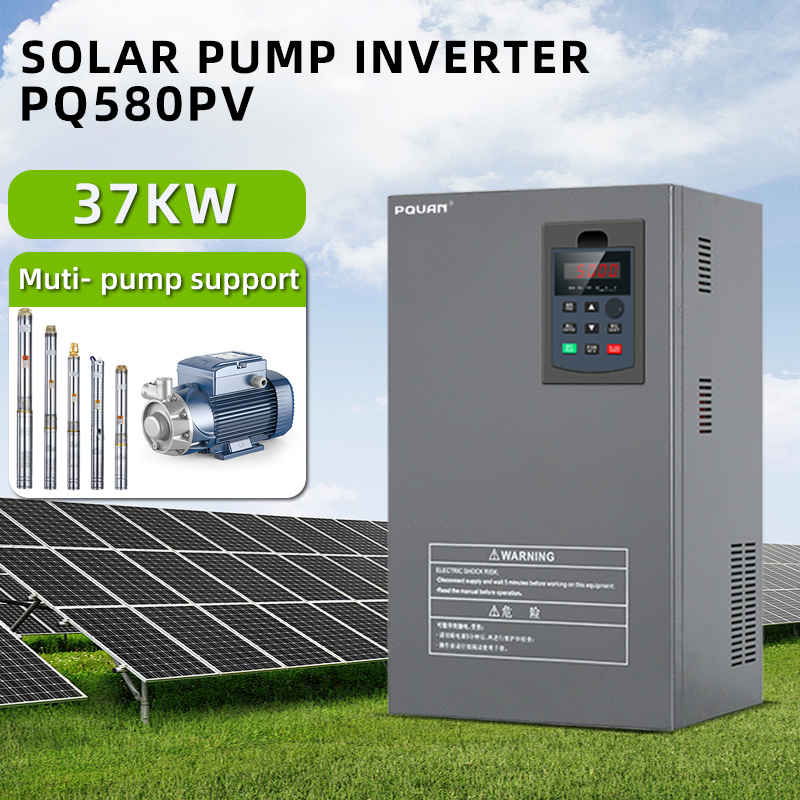
Selecting the right motor control technology is a critical decision for industrial operations. A variable frequency drive and a soft starter both reduce mechanical stress during motor startup, but they operate on fundamentally different principles and serve distinct operational requirements. Understanding the differences between a variable frequency drive and a soft starter helps you select the technology that aligns with your application's energy efficiency, cost, and performance objectives.
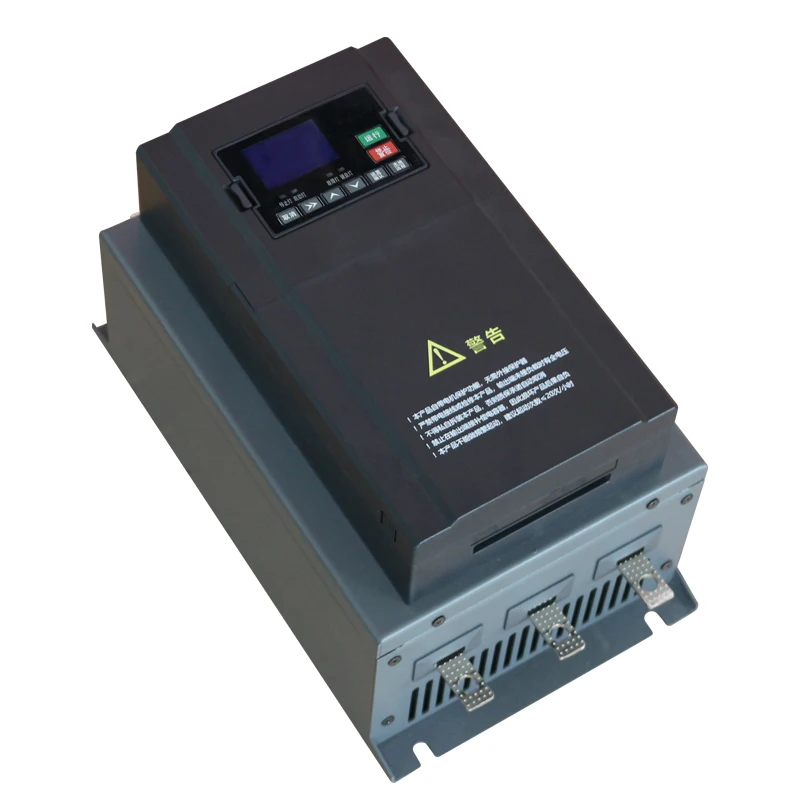
Both technologies address inrush current problems that occur when motors start from a standstill, but the scope of their capabilities differs significantly. A variable frequency drive adjusts both voltage and frequency to control motor speed continuously throughout operation, whereas a soft starter only manages the startup phase by gradually increasing voltage. This fundamental distinction shapes everything from initial investment and installation complexity to long-term energy savings and maintenance requirements. Knowing whether your operation benefits from speed control or merely needs smoother starts determines which solution delivers the best return on investment.
How a Variable Frequency Drive Works
Speed Control Through Frequency Modulation
A variable frequency drive operates by converting incoming AC power into DC, then reconstructing it at adjustable voltage and frequency levels. This continuous modulation allows operators to reduce motor speed from full rpm down to nearly zero without mechanical loss of torque or efficiency. Unlike a soft starter, which operates only during the initial acceleration period, a variable frequency drive remains active throughout the entire motor runtime, continuously adjusting output to match load demands. The variable frequency drive's ability to slow motor speed proportionally reduces energy consumption, making it ideal for applications where load requirements fluctuate throughout the operational day.
Energy Efficiency and Cost Reduction
The primary economic advantage of a variable frequency drive stems from its capacity to match motor speed to actual load requirements. When a variable frequency drive reduces motor speed by 20 percent, energy consumption typically drops by approximately 50 percent because motor power scales with the cube of speed reduction. Pumps, fans, and compressors operating under variable load conditions can achieve payback periods of two to four years through energy savings alone. The variable frequency drive's continuous control means that oversized motors, once a common source of wasted energy, can now operate at partial capacity without efficiency penalties.
How a Soft Starter Works
Gradual Voltage Ramp-Up During Startup
A soft starter manages motor startup by gradually increasing the voltage supplied to the motor over a predetermined time interval, typically one to ten seconds. Rather than applying full voltage instantly, which creates inrush current peaks up to eight times the running current, a soft starter ramps voltage progressively from near zero to full operating level. This gentle acceleration dramatically reduces mechanical shock on couplings, gearboxes, and bearings while simultaneously lowering electrical stress on distribution systems and utility infrastructure. Unlike a variable frequency drive, a soft starter does not modify the frequency of the incoming AC signal, so once startup is complete and full voltage is reached, the motor operates at its natural synchronous speed determined by line frequency and motor pole count.
Lower Cost and Simpler Installation
A soft starter's straightforward design translates to significantly lower capital expenditure compared to a variable frequency drive. The absence of complex power conversion circuitry and the simpler control logic reduce both the equipment cost and installation complexity. Soft starters typically cost 30 to 50 percent less than comparable variable frequency drive systems, making them attractive for applications where speed control is unnecessary and startup smoothness is the primary objective. Installation requires minimal modifications to existing electrical infrastructure, and technicians with standard motor control training can commission and troubleshoot soft starter systems without specialized frequency conversion expertise.
Decision Framework for Application Selection
Speed Control Requirements Define the Primary Choice
The first decision criterion is whether your application requires continuous speed variation or merely smooth starts. If your process demands variable motor speed—such as pump flow rate adjustment, fan speed modulation, or conveyor speed control—then a variable frequency drive is the only viable choice. A soft starter, by contrast, brings the motor to full speed then maintains constant operation thereafter. For applications running at fixed full speed with no speed adjustment requirement, a soft starter provides the startup benefits without the cost premium of a variable frequency drive. Many industrial operations mistakenly invest in variable frequency drive technology when their process requires only startup protection, resulting in unnecessary capital expenditure and complexity.
Total Cost of Ownership Across Equipment Lifetime
While a variable frequency drive commands higher upfront investment, its energy savings often justify that cost over the equipment's operational lifetime. A variable frequency drive installation in a continuous-duty centrifugal pump application consuming 50 kilowatts could save 10,000 to 15,000 dollars annually through reduced energy consumption. However, if your motor runs only part-time, operates at relatively constant load, or is already sized appropriately for the application, the energy savings of a variable frequency drive may not overcome its higher initial cost. A soft starter excels in applications prioritizing low capital outlay and where energy consumption is already optimized. Calculating the specific payback period for your operation's unique duty cycle, load profile, and electricity rates determines whether a variable frequency drive or soft starter delivers superior financial performance.
Practical Application Scenarios
Variable Frequency Drive Advantages in Variable-Load Environments
A variable frequency drive's strength emerges in applications with changing load profiles throughout the operational period. Wastewater treatment plants using variable frequency drive technology on aeration blowers adjust speed to match oxygen demand, reducing energy consumption by 30 to 40 percent compared to constant-speed operation with throttle valves. HVAC systems in large facilities employ variable frequency drive control to match cooling or heating output to actual thermal load rather than running fans at constant maximum capacity. Industrial process systems requiring precise speed control—such as conveyor belt speed adjustment or material handling rate modulation—depend entirely on variable frequency drive capability. In these scenarios, the variable frequency drive's continuous speed adjustment delivers both operational benefits and substantial energy cost reductions that eventually offset the higher initial investment.
Soft Starter Advantages in Fixed-Speed Applications
A soft starter provides the optimal solution where constant-speed operation is required and the only concern is startup quality. Conveyor systems operating continuously at fixed speed benefit from soft starter smooth starts without ever requiring speed variation. Compressors designed for unload-start operation, where the motor accelerates unloaded then engages the compression mechanism, operate perfectly well with soft starter startup smoothing at a fraction of variable frequency drive cost. Pump systems in applications like irrigation or water supply, where continuous full-speed operation is the standard and load rarely fluctuates significantly, typically justify soft starter installation based on equipment protection and electrical system stress reduction alone. Manufacturing facilities with multiple fixed-speed motors for assembly line drives, conveyor belts, and other constant-duty equipment often deploy soft starters across the board to standardize startup protection while maintaining cost discipline.
Technical Considerations and Maintenance
Harmonic Distortion and Electrical System Impact
A variable frequency drive generates harmonic distortion in the electrical system because its output waveform is not a pure sinusoid but rather a stepped approximation constructed through pulse-width modulation. This harmonic content can interfere with sensitive electronic equipment, cause heating in transformer neutrals, and require additional filtering or utility coordination. Soft starters introduce minimal harmonic distortion during normal operation because they pass the fundamental frequency through to the motor after the startup phase completes. In facilities with extensive precision electronics, medical equipment, or sensitive control systems, the electrical environment impact of a variable frequency drive installation must be carefully analyzed and mitigated through appropriate filtering and shielding measures. A soft starter's minimal harmonic signature makes it the cleaner choice from an electrical system perspective in facilities where power quality is already constrained.
Maintenance Requirements and Service Life
A variable frequency drive contains active semiconductor components and complex control electronics that require environmental protection and periodic maintenance. Dust ingestion, temperature extremes, and humidity can degrade variable frequency drive performance, necessitating installation in climate-controlled enclosures. Routine maintenance includes cooling fan cleaning, capacitor health monitoring, and periodic firmware updates. A soft starter, with fewer semiconductor components and no complex control logic, generally requires minimal maintenance beyond periodic inspection. The simplicity of soft starter design translates to longer service intervals and lower lifetime maintenance costs. In harsh industrial environments with dust, vibration, or temperature swings, the soft starter's robustness and minimal maintenance demands provide a significant operational advantage over the more complex variable frequency drive.
FAQ
Can a soft starter replace a variable frequency drive in my application?
A soft starter can replace a variable frequency drive only if your application requires no speed variation and operates consistently at full motor speed. If your process demands any continuous speed adjustment—from load following to precise flow or speed control—then a soft starter cannot provide that capability, and a variable frequency drive becomes mandatory. Soft starters address only the startup phase, while a variable frequency drive controls motor behavior throughout the entire operational period. Carefully analyze your process requirements before selecting between these technologies, because choosing a soft starter when speed control is needed will result in inadequate process control and potential productivity loss.
What is the typical payback period for a variable frequency drive investment?
The payback period for a variable frequency drive depends heavily on your specific application's duty cycle, load profile, and electricity rates. Continuous-duty applications with significant variable-load periods, such as HVAC systems, wastewater treatment equipment, and industrial pump systems, typically achieve payback within two to five years through energy savings alone. Intermittent-duty applications or those running at relatively constant full load may require eight to ten years to recover the variable frequency drive investment through energy reduction alone, though equipment protection and operational benefits provide additional value beyond pure energy economics. Calculate your payback period by multiplying your application's annual energy consumption reduction (estimated from load profiles and manufacturer data) by your local electricity rate, then dividing by the incremental cost of a variable frequency drive versus alternative control methods.
Are there reliability differences between variable frequency drive and soft starter systems?
A soft starter generally exhibits higher reliability and longer mean-time-between-failure intervals because it contains fewer active components and operates only during the startup phase. Once startup completes, the soft starter is essentially idle while the motor runs across full voltage, eliminating runtime stress on soft starter electronics. A variable frequency drive operates continuously throughout motor runtime, subjecting its power conversion and control circuits to sustained electrical and thermal stress. Modern variable frequency drive technology has become extremely reliable in controlled environments, but soft starters maintain an inherent reliability advantage due to their simpler architecture and reduced operational duty cycle. In applications where downtime costs are exceptionally high, the soft starter's inherent simplicity and robustness may justify selection despite potential sacrifices in speed control capability.