 EN

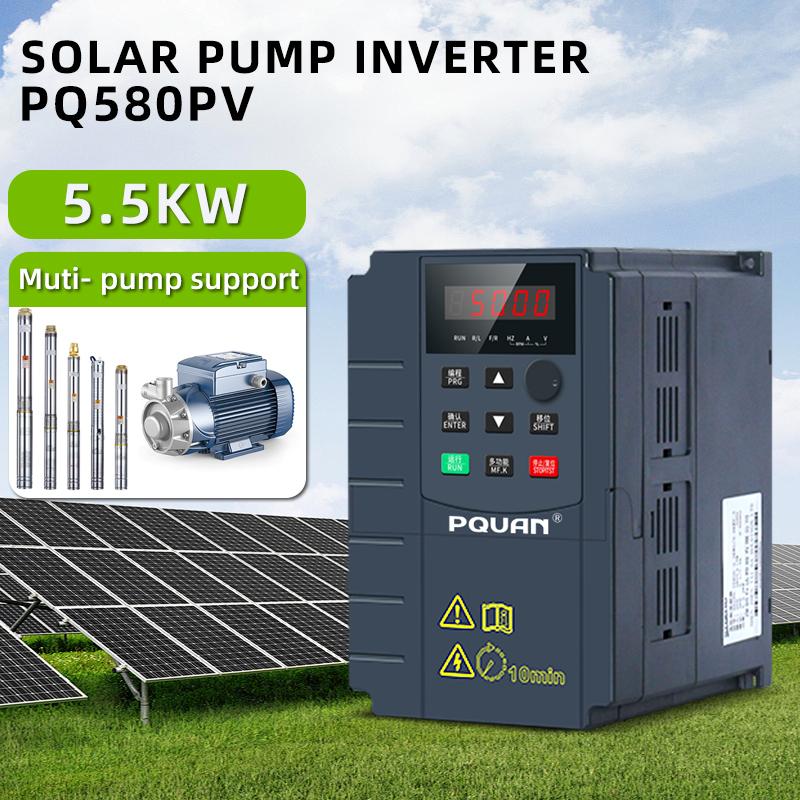
Industrial facilities consume massive amounts of electrical energy annually, and motor-driven systems account for a significant portion of that consumption. One of the most effective strategies to reduce energy waste is implementing a variable frequency drive in your operations. A variable frequency drive allows you to match motor speed precisely to actual demand, eliminating unnecessary energy loss that occurs when motors run at constant full speed regardless of real-time requirements.
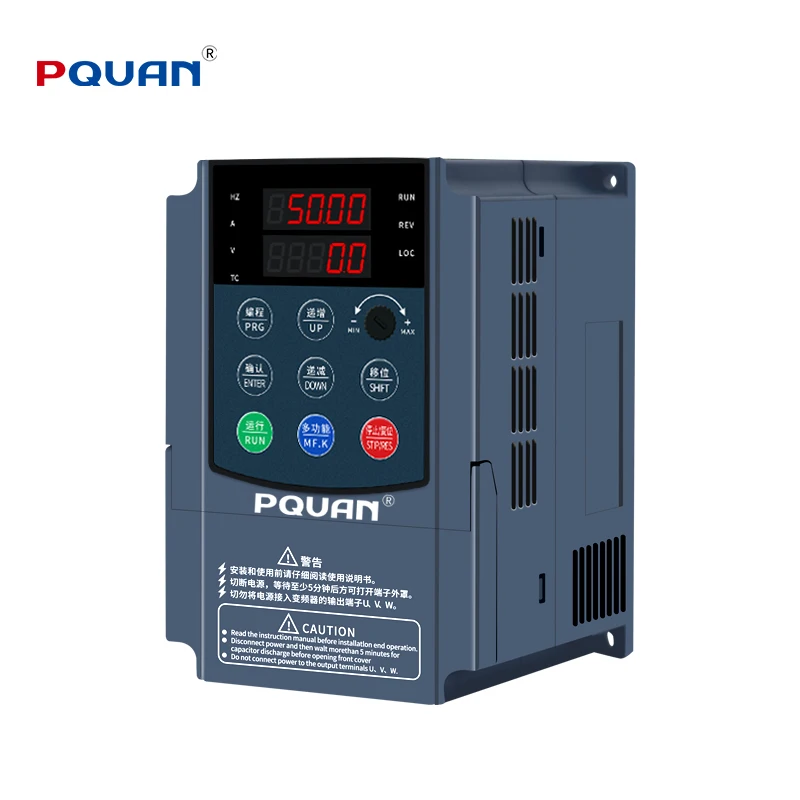
The economic impact is substantial and immediate. Industries implementing a variable frequency drive typically achieve energy reductions between 30 and 50 percent in pump and fan applications, depending on load patterns and system design. Beyond simple energy cost savings, a variable frequency drive extends equipment lifespan, reduces maintenance demands, and improves process control precision. Understanding how to deploy this technology effectively requires knowledge of application scenarios, installation considerations, and operational best practices.
How Variable Frequency Drives Reduce Energy Consumption
The Core Efficiency Principle Behind Variable Frequency Drive Technology
A variable frequency drive operates on a fundamental physics principle: the power required to operate a motor decreases dramatically when rotational speed decreases. Traditional fixed-speed motors run at constant RPM regardless of actual load, consuming full power even during partial-load periods. A variable frequency drive eliminates this inefficiency by adjusting the electrical frequency supplied to the motor, which directly controls motor speed and matches it to real-time demand. When your facility requires only 60 percent of maximum capacity, the variable frequency drive reduces motor speed proportionally, cutting energy consumption by approximately 78 percent at that reduced load.
Application-Specific Energy Savings with Variable Frequency Drive Installation
Centrifugal pump systems and axial-flow fans represent the largest energy-consumption opportunities where a variable frequency drive delivers exceptional returns. These applications follow affinity laws where power consumption varies with the cube of speed reduction. A variable frequency drive handling a 20 percent speed reduction achieves approximately 49 percent energy savings in these systems. Manufacturing facilities operating variable-load processes like water treatment, HVAC systems, compressors, and conveyor systems all benefit from installing a variable frequency drive, with typical payback periods between 18 and 36 months depending on local electricity rates and operational patterns.
Implementation Best Practices for Maximum Variable Frequency Drive Performance
System Assessment and Motor Selection When Installing Variable Frequency Drive Systems
Before deploying a variable frequency drive, conduct a comprehensive energy audit identifying which motors consume the highest percentage of facility power. Motors operating at partial loads for extended periods offer the highest return-on-investment when upgraded with a variable frequency drive. Not all motors qualify for variable frequency drive integration; legacy single-phase motors, specialized high-temperature motors, and certain sealed-bearing designs may require replacement. Modern IE3 and IE4 efficiency-rated motors paired with a variable frequency drive create the optimal efficiency combination, delivering superior performance compared to earlier motor generations running at fixed speed.
Operational Tuning and Maintenance Strategies for Variable Frequency Drive Systems
Once installed, a variable frequency drive requires proper programming and commissioning to achieve stated efficiency targets. Incorrect acceleration ramps, deceleration curves, or voltage settings reduce the actual energy savings a variable frequency drive delivers. Implement soft-start features using your variable frequency drive to reduce mechanical stress and electrical inrush current, which extends motor and bearing lifespan significantly. Regular maintenance of the variable frequency drive itself, including filter cleaning, thermal monitoring, and firmware updates, ensures consistent performance and prevents unexpected downtime. Most modern variable frequency drive units include predictive diagnostics and energy monitoring capabilities that track actual consumption reduction in real time.
Industrial Sector Applications and Economic Justification
Water Treatment and Municipal Infrastructure Energy Optimization
Municipal water treatment facilities operate pump systems with highly variable demand patterns throughout daily cycles. Installing a variable frequency drive on primary circulation pumps matches flow output to actual demand, reducing peak energy consumption and overall system cost. A variable frequency drive enables wastewater treatment plants to reduce operational electricity expenses by 35 to 45 percent while maintaining service reliability. This technology also improves system stability during demand surges and reduces pressure spikes that damage distribution infrastructure.
Manufacturing and Process Industry Variable Frequency Drive Deployment
Chemical production, textile manufacturing, food processing, and pharmaceutical industries benefit significantly from variable frequency drive technology in motor-driven equipment. A variable frequency drive controlling compressor intake valves, dosing pump systems, and production line conveyor belts delivers both energy savings and superior process control. The precision speed adjustment offered by a variable frequency drive improves product consistency, reduces material waste, and enables dynamic capacity adjustment without mechanical modification. Long-running production processes particularly benefit from variable frequency drive installation because energy cost reduction compounds over years of continuous operation.
Heating, Ventilation, and Cooling System Efficiency
Building HVAC systems represent 30 to 40 percent of total facility energy consumption in many industries. Installing a variable frequency drive on supply and return air handlers matches airflow to actual space conditioning demand, which varies throughout the day and across seasons. A variable frequency drive reduces HVAC energy consumption by 40 to 50 percent compared to traditional constant-volume systems using damper control. This technology also improves indoor air quality by enabling continuous low-volume operation instead of periodic high-volume bursts.
FAQ
What is the typical payback period for installing a variable frequency drive on industrial motors?
Most industrial facilities experience complete payback of their variable frequency drive investment within 18 to 36 months, depending on motor power rating, operating hours, local electricity rates, and load characteristics. Higher-horsepower motors operating continuously at partial loads achieve the shortest payback periods. Energy savings alone justify the investment in many scenarios, with additional benefits including reduced maintenance costs and extended equipment lifespan accumulating additional value beyond simple energy cost reduction.
Can existing motors operate with a variable frequency drive, or do replacements become necessary?
Most industrial motors manufactured after 1990 can operate with a variable frequency drive with minimal modifications, though motor insulation quality and bearing lubrication characteristics determine compatibility. Modern premium-efficiency motors rated IE3 or higher are optimally designed for variable frequency drive operation. Older motors may require upgraded insulation systems or bearing modifications to handle the electrical stresses and cooling requirements introduced by variable frequency drive operation. Consulting with motor manufacturers ensures compatibility before installation to avoid unexpected failures.
How much energy reduction should industrial facilities expect from variable frequency drive implementation?
Specific energy savings depend entirely on application type and existing load patterns. Centrifugal pump and fan systems typically achieve 30 to 50 percent energy reduction when equipped with a variable frequency drive. Compressor systems see 20 to 35 percent reductions, while variable-load industrial processes achieve 25 to 45 percent savings. Applications with consistent full-load operation benefit less from variable frequency drive installation than those with frequent partial-load periods where the technology delivers maximum efficiency advantages.
Table of Contents
- How Variable Frequency Drives Reduce Energy Consumption
- Implementation Best Practices for Maximum Variable Frequency Drive Performance
- Industrial Sector Applications and Economic Justification
-
FAQ
- What is the typical payback period for installing a variable frequency drive on industrial motors?
- Can existing motors operate with a variable frequency drive, or do replacements become necessary?
- How much energy reduction should industrial facilities expect from variable frequency drive implementation?