 EN
EN

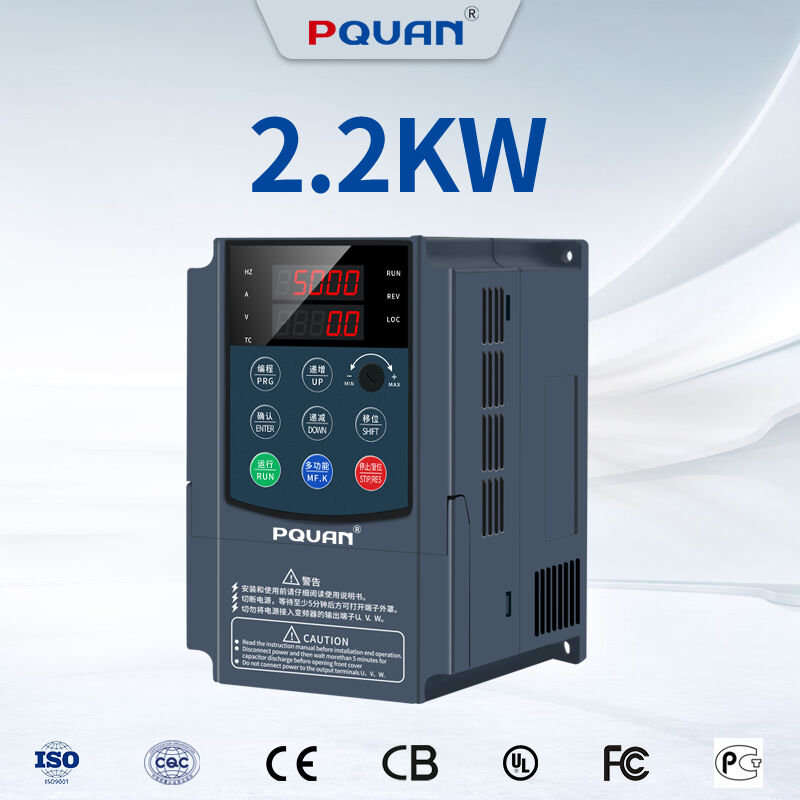
Industrial operations depend heavily on consistent electrical power to maintain productivity, protect expensive equipment, and ensure operational safety. Voltage fluctuations pose significant risks to manufacturing processes, causing equipment damage, production downtime, and substantial financial losses. A high-quality voltage stabilizer serves as a critical safeguard against these electrical irregularities, delivering stable power output regardless of input voltage variations.
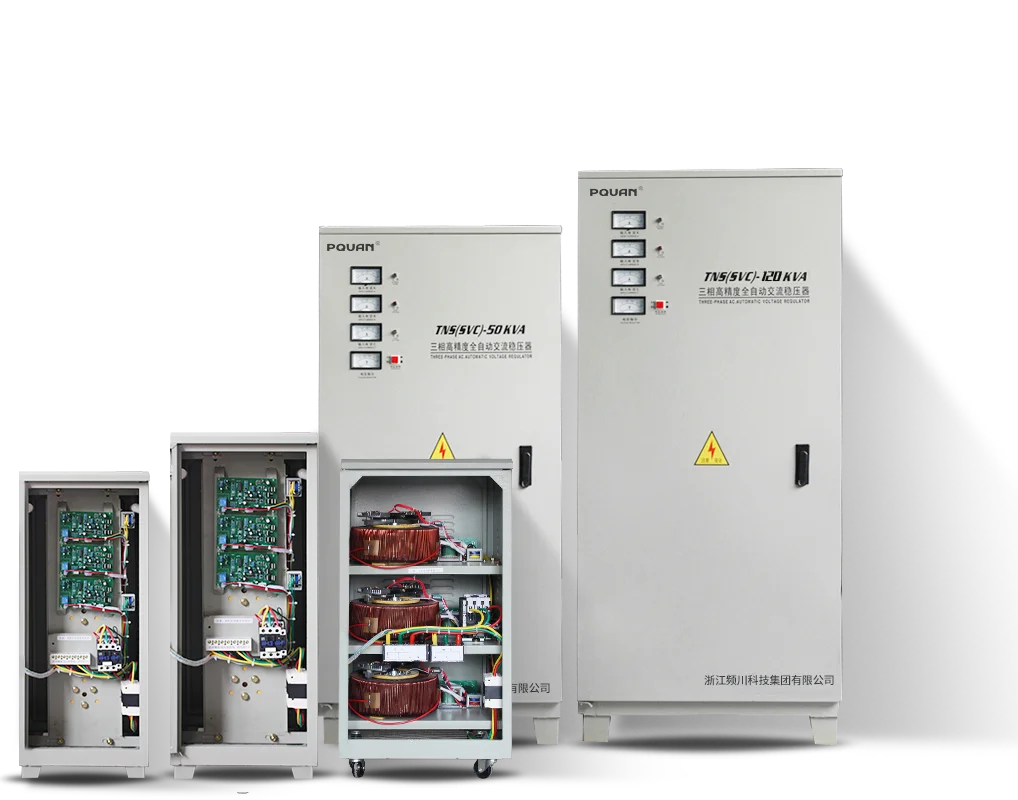
Modern industrial facilities face increasingly complex power quality challenges due to grid instability, load variations, and environmental factors. Understanding the specific benefits of implementing a robust voltage stabilizer system enables facility managers and engineers to make informed decisions about power protection investments. These benefits extend far beyond simple voltage regulation, encompassing equipment longevity, operational efficiency, and long-term cost savings that directly impact business profitability.
Equipment Protection and Longevity Benefits
Extended Motor and Machinery Lifespan
Industrial motors operating under unstable voltage conditions experience significantly reduced lifespans due to increased heat generation and mechanical stress. A quality voltage stabilizer maintains optimal voltage levels, preventing motor windings from overheating and reducing bearing wear caused by voltage-induced vibrations. This protection translates to extended equipment service life, often doubling or tripling the operational lifespan of critical machinery components.
Manufacturing equipment designed to operate within specific voltage tolerances performs optimally when supplied with stable power. Voltage variations outside acceptable ranges cause internal components to work harder, generating excess heat and accelerating wear patterns. The voltage stabilizer acts as a buffer, ensuring that sensitive electronic controls, servo systems, and precision instruments receive consistent power quality regardless of grid conditions.
Reduced Component Failure Rates
Electronic components in industrial systems are particularly vulnerable to voltage spikes and surges that can cause immediate failure or gradual degradation. A high-quality voltage stabilizer incorporates surge protection mechanisms and filtering capabilities that shield sensitive circuits from harmful electrical transients. This protection significantly reduces unexpected component failures, minimizing emergency repair costs and unplanned maintenance interventions.
Power supply units, control boards, and sensor networks benefit tremendously from stable voltage conditions provided by industrial voltage stabilizer systems. These components operate within narrow voltage windows, and even minor fluctuations can trigger protective shutdowns or cause erratic behavior. Consistent voltage delivery ensures reliable operation of automation systems, reducing troubleshooting time and maintenance complexity.
Operational Efficiency and Performance Improvements
Enhanced Production Consistency
Manufacturing processes requiring precise control depend on stable electrical power to maintain product quality and dimensional accuracy. Voltage variations can affect motor speeds, heating element temperatures, and control system responses, leading to production inconsistencies and quality defects. A voltage stabilizer ensures that all electrical equipment operates within design parameters, maintaining consistent production output and reducing reject rates.
Automated production lines with multiple interconnected systems require synchronized operation to achieve optimal throughput. Voltage fluctuations can disrupt timing sequences, cause communication errors between control systems, and trigger protective shutdowns that halt entire production lines. The stable power provided by a voltage stabilizer maintains system synchronization and prevents cascade failures that can shut down multiple production areas simultaneously.
Improved Energy Efficiency
Electrical equipment operates most efficiently when supplied with optimal voltage levels. Motors running on undervoltage conditions draw excessive current to maintain rated output, while overvoltage conditions cause increased losses in magnetic circuits and reduced power factor. A voltage stabilizer maintains optimal voltage levels, ensuring maximum energy efficiency and reducing overall power consumption.
Power factor correction capabilities integrated into modern voltage stabilizer designs further enhance energy efficiency by reducing reactive power consumption. This improvement translates to lower utility bills, reduced demand charges, and improved overall facility power quality. The energy savings achieved through optimal voltage regulation often justify the initial investment in voltage stabilization equipment within a few years of operation.
Financial and Business Impact Advantages
Significant Maintenance Cost Reductions
Preventive maintenance schedules can be extended when equipment operates under stable voltage conditions, as components experience less stress and wear. This reduction in maintenance frequency translates to lower labor costs, reduced spare parts consumption, and decreased maintenance-related production interruptions. Maintenance teams can focus on scheduled activities rather than emergency repairs caused by voltage-related equipment failures.
Equipment calibration intervals can also be extended when operating under stable electrical conditions, as voltage variations often cause drift in sensitive measurement instruments and control systems. This stability reduces calibration costs and ensures consistent product quality over longer periods without intervention. The predictable operation enabled by voltage stabilization allows for better maintenance planning and resource allocation.
Minimized Production Downtime
Unplanned production stoppages due to voltage-related equipment failures represent significant financial losses in industrial operations. Each hour of downtime can cost thousands of dollars in lost production, overtime labor, and delayed deliveries. A reliable voltage stabilizer dramatically reduces the likelihood of voltage-induced equipment failures, maintaining continuous production and protecting revenue streams.
Emergency repair situations requiring immediate equipment replacement or specialized technical support become far less frequent with proper voltage stabilization. This reduction in crisis management situations allows production managers to maintain normal staffing levels and avoid expensive emergency service calls or expedited parts procurement.
Safety and Compliance Benefits
Enhanced Workplace Safety
Voltage fluctuations can create hazardous conditions in industrial environments, including equipment malfunctions that pose safety risks to operators and maintenance personnel. Unstable electrical conditions may cause unexpected equipment behavior, emergency stops, or protective system failures that compromise worker safety. A voltage stabilizer maintains predictable equipment operation, reducing safety incidents related to electrical system irregularities.
Fire hazards associated with electrical equipment overheating due to voltage problems are significantly reduced with proper voltage regulation. Overcurrent conditions caused by voltage variations can generate excessive heat in conductors, motor windings, and control panels, creating potential ignition sources. Stable voltage delivery prevents these dangerous conditions and supports overall facility fire safety protocols.
Regulatory Compliance Support
Many industrial facilities must comply with strict power quality standards and equipment performance requirements mandated by regulatory agencies. Voltage stabilizer systems help maintain compliance with these standards by ensuring consistent electrical conditions that support proper equipment operation. This compliance support reduces the risk of regulatory violations and associated penalties.
Quality management systems requiring documented equipment performance benefit from the consistent operation provided by voltage stabilization. Stable electrical conditions eliminate voltage-related variables that could affect product quality or process repeatability, supporting ISO certification requirements and customer quality audits.
Long-Term Strategic Advantages
Future-Proofing Industrial Operations
As industrial facilities expand and add new equipment, electrical loads increase and power quality challenges become more complex. A properly sized voltage stabilizer provides headroom for future expansion while maintaining stable electrical conditions for existing equipment. This scalability protects current investments while supporting business growth without requiring complete electrical system redesigns.
Integration of renewable energy sources and energy storage systems often introduces additional voltage variation challenges that require sophisticated stabilization solutions. Modern voltage stabilizer technology can adapt to these evolving power quality requirements, ensuring compatibility with future energy initiatives and sustainability goals.
Competitive Advantage Through Reliability
Facilities with superior power quality and equipment reliability gain significant competitive advantages through consistent product quality, reliable delivery schedules, and lower operational costs. Customers increasingly value suppliers who can guarantee consistent production capabilities and quality standards. Voltage stabilization supports these reliability commitments by eliminating voltage-related production disruptions.
Investment in high-quality voltage stabilizer systems demonstrates commitment to operational excellence and long-term business sustainability. This commitment resonates with customers, investors, and business partners who recognize the value of reliable operations and consistent product delivery in competitive markets.
FAQ
How do I determine the right size voltage stabilizer for my industrial facility?
The appropriate voltage stabilizer capacity depends on your total electrical load, including both continuous and peak demand requirements. Conduct a comprehensive load analysis including all motors, heating elements, lighting, and control systems. Add a safety margin of 20-30% above calculated load to accommodate future expansion and ensure optimal performance during peak demand periods.
What maintenance is required for industrial voltage stabilizer systems?
Regular maintenance includes cleaning cooling systems, checking electrical connections, testing protective devices, and verifying calibration of voltage regulation circuits. Most industrial voltage stabilizer units require quarterly visual inspections and annual comprehensive testing by qualified technicians. Proper maintenance ensures reliable operation and extends equipment lifespan significantly.
Can voltage stabilizer systems improve power factor in industrial facilities?
Many modern voltage stabilizer designs incorporate power factor correction capabilities that can improve facility power factor while providing voltage regulation. This dual functionality reduces reactive power consumption, lowers utility demand charges, and improves overall electrical system efficiency. The power factor improvement often provides additional financial benefits beyond voltage stabilization.
How quickly does a voltage stabilizer respond to input voltage changes?
High-quality industrial voltage stabilizer systems typically respond to voltage variations within milliseconds to seconds, depending on the stabilization technology employed. Electronic voltage regulators provide faster response times compared to mechanical tap-changing systems, making them suitable for applications requiring rapid voltage correction and sensitive equipment protection.
Table of Contents
- Equipment Protection and Longevity Benefits
- Operational Efficiency and Performance Improvements
- Financial and Business Impact Advantages
- Safety and Compliance Benefits
- Long-Term Strategic Advantages
-
FAQ
- How do I determine the right size voltage stabilizer for my industrial facility?
- What maintenance is required for industrial voltage stabilizer systems?
- Can voltage stabilizer systems improve power factor in industrial facilities?
- How quickly does a voltage stabilizer respond to input voltage changes?