 EN

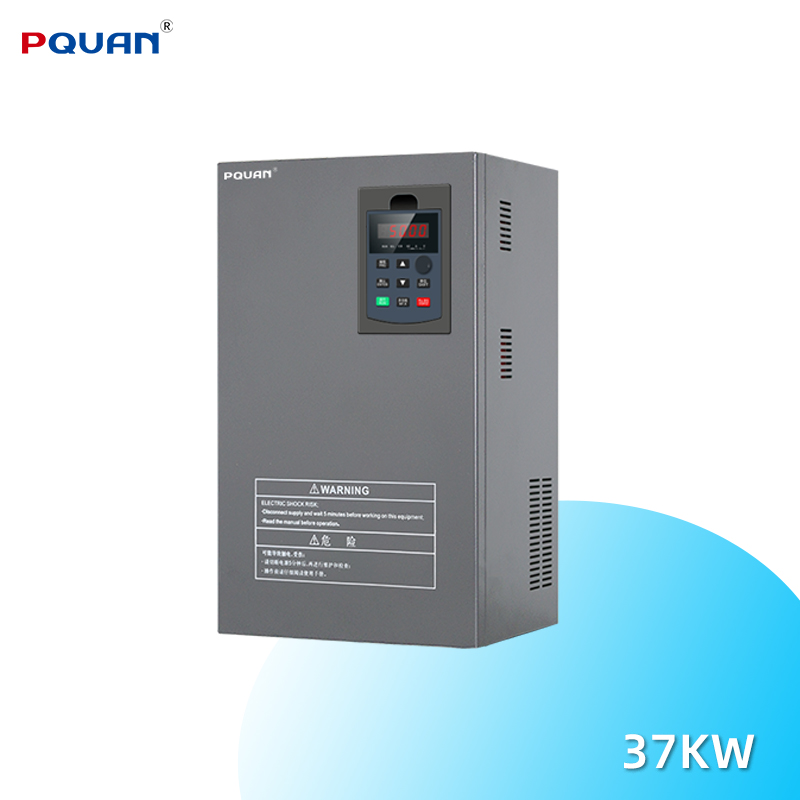
Manufacturing facilities consume vast amounts of electrical energy, and operational costs directly tied to power usage represent a significant portion of production expenses. An inverter serves as a critical technology that transforms how motors and industrial equipment consume electricity, enabling manufacturers to optimize energy consumption while maintaining or improving output performance. Understanding how an inverter contributes to energy efficiency has become essential for facilities managers and plant engineers seeking competitive advantages through reduced operational costs.
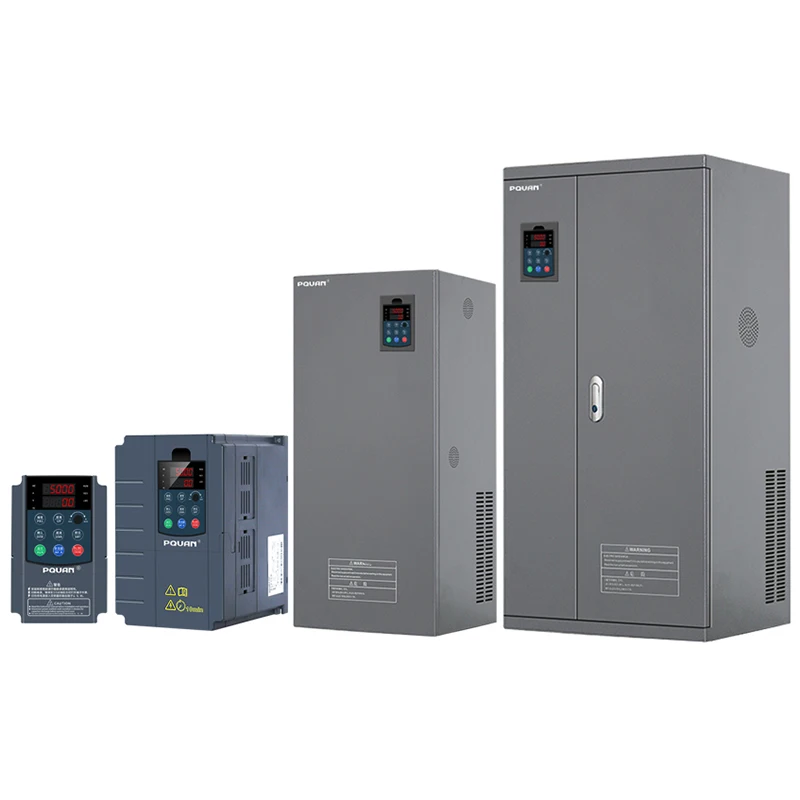
Manufacturing environments feature dozens or hundreds of motors running compressors, pumps, conveyor systems, and processing equipment. Traditional fixed-speed motors operate at constant velocity regardless of actual demand, wasting energy during periods of reduced production requirements. An inverter changes this dynamic by adjusting motor speed in real-time response to actual workload demands. This speed adjustment capability fundamentally reshapes how energy flows through manufacturing operations, creating measurable reductions in electrical consumption across entire facilities.
Core Operating Principles of Inverter Technology
How Inverters Control Motor Speed and Power Draw
An inverter works by converting incoming alternating current electricity into direct current, then reconstructing that direct current back into alternating current at variable frequencies. This frequency modulation directly controls motor speed, allowing operators to match motor velocity precisely to actual production requirements rather than running at full speed continuously. When an inverter reduces motor frequency, the motor automatically consumes less electrical power, delivering proportional energy savings without sacrificing equipment functionality or output quality.
The relationship between speed and energy consumption is not linear but cubic, meaning small reductions in motor speed create dramatically larger reductions in power draw. A motor operating at 80 percent of full speed through an inverter typically consumes only about 51 percent of its full-speed power consumption. This exponential efficiency curve means that even modest speed adjustments through an inverter deliver substantial energy and cost savings, making inverter installation financially attractive for most manufacturing applications.
Soft-Start Capabilities and Reduced Peak Demand
Beyond ongoing speed optimization, an inverter reduces energy waste during motor startup phases. Traditional direct-online motor starting creates massive inrush current spikes that stress electrical infrastructure and inflate peak demand charges on utility bills. An inverter gradually accelerates motors to target speed, smoothing the current ramp and eliminating inrush peaks. This soft-start feature reduces electrical stress on facility wiring, extends motor lifespan, and directly lowers peak demand fees that utility companies charge based on maximum instantaneous power consumption.
Energy Efficiency Gains Across Manufacturing Operations
Real-World Power Consumption Reduction
Industrial facilities implementing inverter technology commonly report energy consumption reductions ranging from 20 to 50 percent on affected equipment. Compressor systems, which run continuously in manufacturing environments, show particularly dramatic savings because an inverter allows compressors to modulate output pressure matching actual air demand rather than cycling full on and off. Pump applications similarly benefit because an inverter adjusts flow rates to match system requirements, eliminating constant high-volume operation that occurs with fixed-speed pumps.
Consider a typical manufacturing facility operating a 30-horsepower compressor eight hours daily. At full speed, this compressor draws approximately 22 kilowatts continuously. With an inverter managing pressure output, average power consumption often drops to 12-15 kilowatts across the same operational period. Over one year, this single equipment upgrade reduces electrical consumption by roughly 30,000 kilowatt-hours annually, translating directly into thousands of dollars in utility cost reductions without any production compromise.
Facility-Wide Efficiency Improvements
Implementing inverters across multiple motors and systems creates compounding efficiency gains throughout manufacturing operations. A facility with ten motors benefiting from inverter control might reduce total facility power consumption by 15-25 percent, fundamentally improving bottom-line profitability. Beyond direct energy savings, an inverter reduces heat dissipation in motor systems, lowering cooling load on facility air conditioning systems and further compounding energy efficiency benefits throughout the entire facility.
Long-Term Cost Benefits and ROI Considerations
Financial Returns from Energy Savings
The financial case for inverter installation strengthens significantly when calculated across multi-year operational horizons. Most industrial facilities recover inverter investment within 2-4 years through pure energy savings alone, creating substantial positive cash flow in subsequent years. A inverter suitable for mid-range industrial motors typically costs between $2,000-$8,000 installed, while annual energy savings from that single inverter often reach $3,000-$5,000. This straightforward financial equation explains why inverter adoption continues accelerating across manufacturing sectors.
Beyond energy costs, an inverter extends motor lifespan by 30-50 percent through reduced thermal stress and soft-start protection. Manufacturers avoiding expensive motor replacements while simultaneously cutting energy bills create a dual financial benefit rarely matched by other efficiency investments. Reduced maintenance intervals for motors operating at variable speeds rather than constant full-speed operation further contribute to total cost of ownership advantages that favor inverter implementation.
Operational Flexibility and Production Optimization
An inverter enables manufacturers to match equipment operation precisely to production demand patterns, creating responsive operational flexibility impossible with fixed-speed motors. During low-demand periods, an inverter allows equipment to operate at reduced speeds, cutting energy consumption while maintaining full equipment availability. When production surges, rapid acceleration through the inverter ensures immediate capacity response without mechanical strain.
This operational flexibility creates competitive advantages beyond simple energy savings. Manufacturers using inverter-controlled systems adapt faster to production changes, reduce equipment wear through gentler acceleration profiles, and maintain consistent product quality by stabilizing motor operating conditions. An inverter essentially transforms industrial motors from simple on-off devices into intelligent components responsive to real-time production requirements.
FAQ
Can an inverter work with any existing motor in manufacturing facilities?
Most standard three-phase motors operate effectively with an inverter, but older motors designed before inverter technology became widespread may experience performance issues. Modern inverters include features protecting motor windings from voltage stress, but manufacturers should verify motor compatibility before installing an inverter on critical equipment. Consulting equipment specifications ensures optimal performance and protects long-term motor health when implementing inverter upgrades.
How quickly does an inverter pay for itself through energy savings?
Investment payback timelines vary based on motor size, operating hours, local electricity rates, and existing equipment efficiency. Small motors in lightly-used applications may take 5-7 years to break even, while large motors running continuously in energy-intensive facilities often achieve payback within 18-36 months. Most manufacturing applications see positive returns within 3-4 years, making inverters attractive investments even without considering equipment lifespan extension and reduced maintenance benefits.
Does an inverter reduce manufacturing output or product quality?
An inverter actually improves manufacturing consistency and product quality by providing smoother motor acceleration and more precise speed control compared to fixed-speed operation. The soft-start capability eliminates mechanical shock that can damage products or create quality inconsistencies. Manufacturers using inverters maintain or exceed previous output levels while consuming significantly less energy, proving that efficiency and production performance work together rather than against each other.