 EN

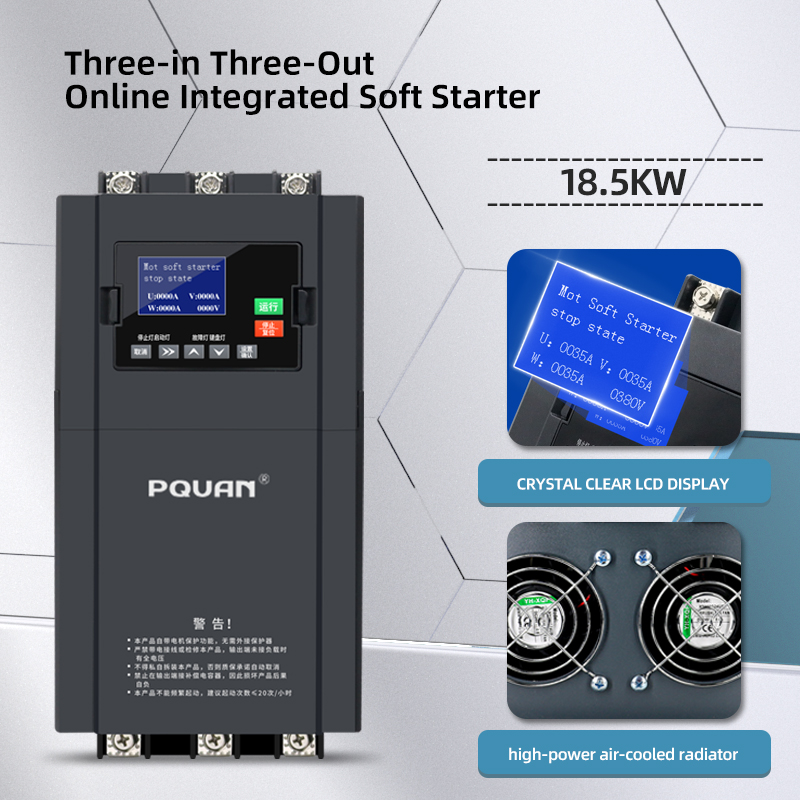
A soft starter is an essential electrical device that controls the acceleration of AC motors by gradually increasing voltage during startup. Rather than applying full line voltage instantly, a soft starter ramps up power delivery over a programmable time interval, typically between 5 and 30 seconds. This controlled startup approach significantly reduces mechanical stress, electrical transients, and operational wear on industrial motors and connected equipment. Understanding how a soft starter works and why it matters is critical for manufacturing facilities, HVAC systems, pump stations, and any operation relying on large motor-driven equipment.
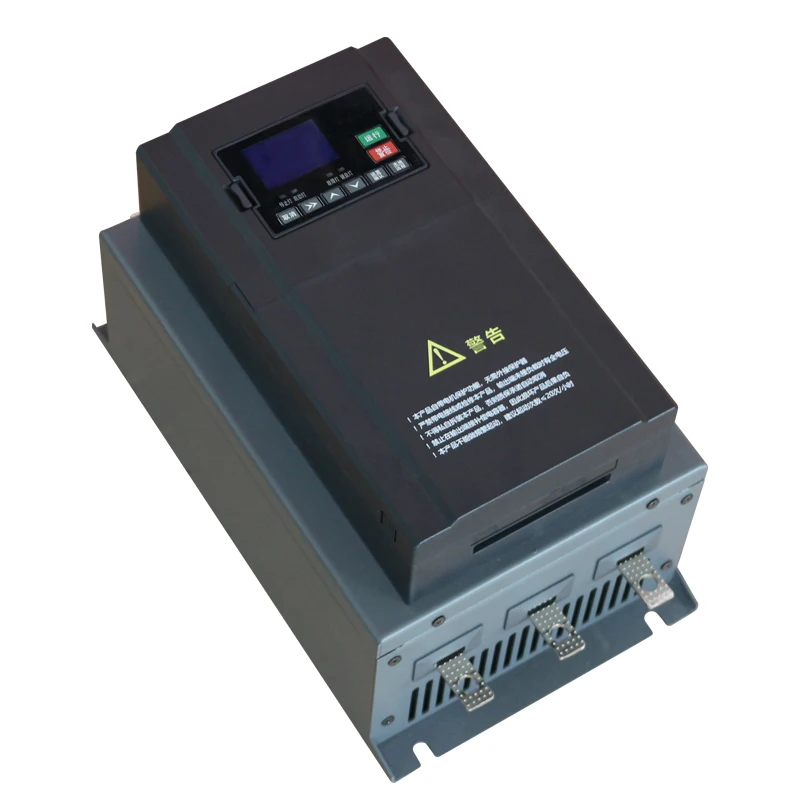
Industrial motors face tremendous electrical and mechanical stress during startup because induction motors naturally draw a high inrush current—often 5 to 8 times the motor's rated full-load current. This inrush current generates heat, causes voltage sags in the power distribution network, and creates mechanical shock through torque spikes that can damage bearings, shafts, and gearbox components. By deploying a soft starter, facility managers protect motor longevity, reduce energy consumption, minimize downtime, and extend the operational life of driven equipment. This article explains what a soft starter is, how it protects industrial motors, and why it remains one of the most cost-effective reliability investments in manufacturing.
Understanding the Core Function of a Soft Starter
How a Soft Starter Controls Motor Voltage
A soft starter operates by regulating the AC voltage supplied to a three-phase induction motor through solid-state semiconductor technology. Inside a soft starter, power electronic devices called thyristors or SCRs (silicon-controlled rectifiers) modulate the output voltage by controlling the phase angle of the AC waveform. When the motor starts, the soft starter applies minimal voltage initially, then progressively increases it according to a pre-programmed ramp profile. This gradual voltage rise creates a proportional increase in motor torque, allowing the motor shaft to accelerate smoothly without the violent mechanical jolt associated with across-the-line (direct) starting. The ramp time, current limits, and voltage profile can all be customized through the soft starter control interface to match the specific requirements of the connected equipment.
Comparison with Traditional Motor Starting Methods
Traditional across-the-line starting connects the motor directly to full line voltage, resulting in an instantaneous inrush current spike. By contrast, a soft starter reduces peak inrush current by 40 to 75 percent depending on the ramp settings and motor characteristics. Wye-delta starters, another common approach, reduce inrush current by switching the motor windings from wye to delta configuration, but they introduce mechanical discontinuity and are less flexible than a modern soft starter. A soft starter provides superior control because it offers variable ramp profiles, current limiting features, and smooth torque delivery without any mechanical switching. For facilities upgrading aging motor control systems, replacing fixed wye-delta starters with a programmable soft starter often yields immediate energy savings and reliability improvements.
Protection Benefits Delivered by a Soft Starter
Electrical Protection and Power Quality Improvement
The most immediate protection benefit of a soft starter is the dramatic reduction in inrush current and voltage sag on the industrial power distribution system. When large motors start with across-the-line methods, the sudden current surge causes voltage dips that can disrupt sensitive equipment, trigger nuisance breaker trips, and stress electrical infrastructure. A soft starter limits inrush current to levels the power system can handle smoothly, eliminating voltage sags and protecting other connected devices from disruption. Additionally, by reducing electrical stress during startup, a soft starter extends the service life of motor windings, bearings, and electrical contacts. Many industrial sites with tight electrical budgets find that a soft starter eliminates the need for costly capacity upgrades to their main distribution panels.
Mechanical Protection and Equipment Longevity
Motor torque during across-the-line starting can reach 200 to 300 percent of rated torque in just a few milliseconds, creating severe mechanical shock throughout the driven equipment. Pump shafts, fan bearings, gearbox teeth, and conveyor belt systems all experience destructive shock loads when motors start abruptly. A soft starter eliminates this shock by ramping torque gradually over 5 to 30 seconds, allowing bearings to warm up smoothly and mechanical components to accelerate uniformly. For critical equipment like centrifugal pumps, refrigeration compressors, and heavy conveyor systems, deploying a soft starter can extend asset life by 30 to 50 percent. Facility managers report fewer bearing failures, reduced belt slip and wear, lower maintenance labor costs, and fewer unplanned outages when using a soft starter compared to traditional starting methods.
Soft Starter Applications and Installation Considerations
Typical Industrial Applications
A soft starter is most beneficial in applications where high inrush current or mechanical shock poses a risk to equipment or power quality. Centrifugal pump systems commonly use a soft starter because gradual acceleration prevents pressure surges, water hammer effects, and pipe stress. HVAC systems with large compressor or fan motors benefit from a soft starter because smooth startup reduces mechanical wear on bearings and reduces comfort disruption from voltage sags. Conveyor systems and industrial crushers use a soft starter to protect against shock loads and belt slippage during acceleration. Mining operations, steel mills, and chemical plants deploy a soft starter across multiple motor-driven processes to improve power factor, reduce energy consumption, and extend asset life. Food processing facilities use a soft starter on high-speed mixer and pump motors to minimize startup vibration and product contamination risk.
Selecting and Installing a Soft Starter
When selecting a soft starter, the motor power rating in kilowatts or horsepower is the primary specification to match. Voltage class (low voltage or medium voltage), three-phase current rating, and control options must also align with the installation environment. A soft starter should be sized 10 to 20 percent above the motor's full-load amperage to ensure reliable operation and thermal margin. Installation of a soft starter typically requires disconnecting the motor from the existing starter, mounting the soft starter in the electrical enclosure, and wiring it between the motor disconnect and the motor terminals. Many industrial facilities benefit from consulting with an electrical engineer during soft starter selection and installation to ensure proper ramp time programming, current limit settings, and bypass contactor configuration for optimal protection and energy efficiency.
FAQ
What is the primary function of a soft starter?
A soft starter gradually increases voltage to a motor during startup, reducing inrush current by 40 to 75 percent and eliminating mechanical shock. This protection extends motor and equipment life while improving power quality and reducing energy waste during the critical startup phase.
Can a soft starter reduce energy consumption on existing motors?
Yes, a soft starter reduces energy consumption in two ways: by lowering inrush current losses during startup and by enabling programmable ramp profiles that match the load characteristics of the driven equipment. Many facilities report energy savings of 5 to 15 percent annually after installing a soft starter, particularly when combined with other motor efficiency upgrades.
How long does a soft starter typically last in industrial service?
A well-maintained soft starter typically provides 10 to 20 years of reliable service in most industrial environments. Since a soft starter has no moving parts and relies only on solid-state semiconductor technology, it requires minimal maintenance beyond periodic thermal inspection and terminal tightness verification.