 EN
EN

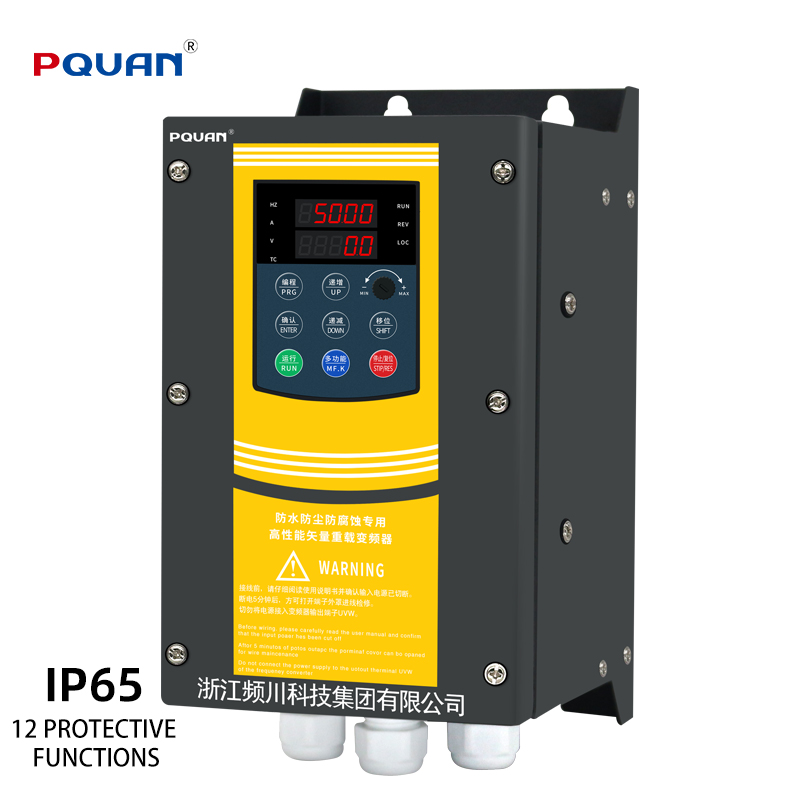
A frequency inverter is one of the most impactful technologies available for reducing energy consumption in motor-driven systems. By precisely controlling the speed and torque of an electric motor, a frequency inverter eliminates the energy waste that occurs when motors run at full speed regardless of actual load demand. In industrial environments where motors account for a significant share of total electricity consumption, deploying a frequency inverter is a direct and measurable path to lower operating costs.
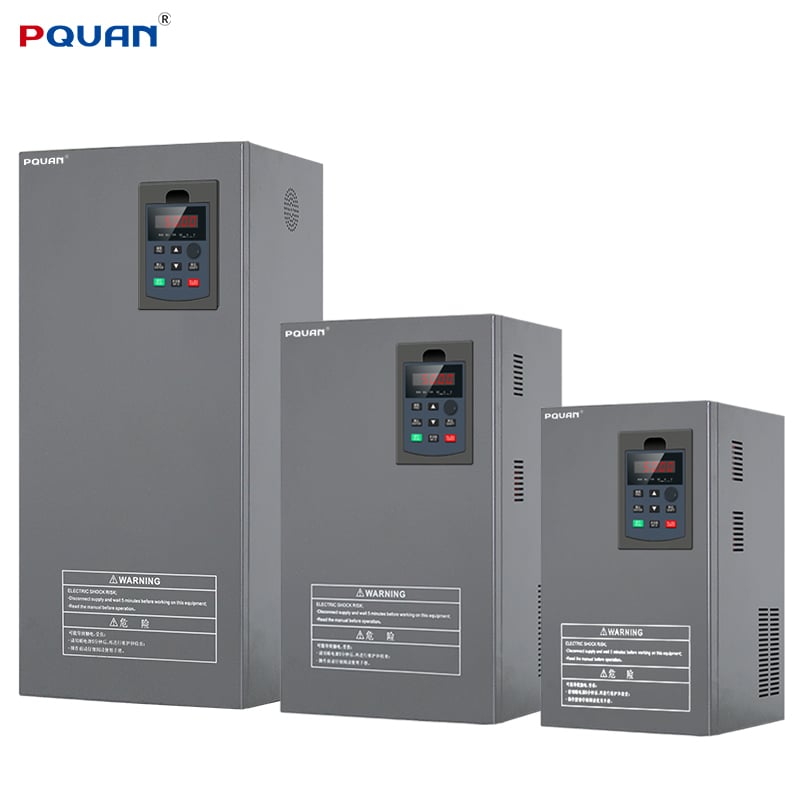
The energy-saving case for the frequency inverter is not a marketing claim — it is grounded in well-established physics. Motor power consumption is proportional to the cube of its rotational speed. This means that even a modest reduction in motor speed, made possible by a frequency inverter, can produce a dramatic drop in energy use. Understanding why and how these savings occur helps engineers and facility managers make informed decisions about where a frequency inverter delivers the greatest value.
The Physics Behind Frequency Inverter Energy Savings
Speed Control and the Cubic Power Law
The core principle that makes the frequency inverter so effective is the affinity law governing centrifugal loads such as pumps, fans, and blowers. According to this law, the power required by a motor is proportional to the cube of its operating speed. A frequency inverter that reduces a fan motor from 100% speed to 80% speed does not simply cut energy by 20%. Instead, the frequency inverter reduces power consumption to approximately 51% of the original load. This cubic relationship means that even small speed reductions, easily achieved with a frequency inverter, translate into substantial energy savings over time.
Eliminating Mechanical Throttling Losses
Before the frequency inverter became widely adopted, many industrial systems used mechanical methods such as dampers, throttle valves, or inlet vanes to regulate flow or output. These approaches allow the motor to run at full speed while artificially restricting the output, which wastes energy in the form of heat and pressure loss. A frequency inverter replaces these inefficient methods by reducing actual motor speed to match the required output. The frequency inverter removes the energy penalty of mechanical restriction entirely, making it a far cleaner and more efficient control solution.
Key Application Areas Where Frequency Inverters Save Energy
HVAC and Pump Systems
HVAC systems and water circulation pumps are among the most energy-intensive equipment in commercial and industrial buildings. These systems frequently operate at partial load conditions, meaning a fixed-speed motor is consistently consuming more energy than the system actually needs. Installing a frequency inverter on pump and fan motors allows the system to deliver exactly the flow or pressure required at any given moment. The frequency inverter continuously adjusts motor speed in response to real-time demand, preventing the chronic energy waste that characterizes fixed-speed operation. Facilities that have adopted the frequency inverter in HVAC applications consistently report measurable reductions in electricity bills.
Compressors and Conveyor Systems
Air compressors and industrial conveyors also benefit significantly from frequency inverter technology. A compressor running at fixed speed will overshoot pressure targets and then idle or cycle repeatedly, consuming energy during both phases. A frequency inverter allows the compressor motor to ramp speed up or down in direct proportion to demand, maintaining stable pressure without the energy cost of cycling. For conveyors, the frequency inverter enables soft starts and variable belt speeds that match production throughput, reducing both energy consumption and mechanical wear. The frequency inverter essentially turns reactive fixed-speed motors into intelligent variable-load machines.
Long-Term Economic and Operational Benefits
Reduced Energy Bills and Faster ROI
The financial case for adopting a frequency inverter is compelling in high-utilization environments. Energy savings from a frequency inverter typically range from 20% to 50% depending on the application and load profile, and these savings accumulate continuously over the system's operational life. The frequency inverter pays for itself through reduced electricity costs, often within one to two years in high-load applications. Beyond direct energy savings, the frequency inverter reduces peak demand charges by avoiding the inrush current spikes that occur during direct-on-line motor starts. Lower peak demand translates to additional cost reductions on industrial electricity tariffs.
Extended Motor Lifespan and Lower Maintenance Costs
Energy efficiency is not the only economic benefit of the frequency inverter. When a motor starts directly across the line, it experiences electrical and mechanical stress that shortens bearing life and insulation integrity over time. A frequency inverter enables a controlled soft-start ramp that eliminates these stress events. The frequency inverter also allows precise torque control during acceleration and deceleration, reducing strain on couplings, gearboxes, and driven equipment. Facilities that operate motors with a frequency inverter consistently report fewer unplanned breakdowns and lower annual maintenance expenditure. The frequency inverter therefore contributes to both energy savings and total cost of ownership reduction simultaneously.
FAQ
How much energy can a frequency inverter realistically save in a typical motor application?
The actual savings depend on the load type and how often the system operates below full capacity. For variable-torque loads such as fans and pumps, a frequency inverter can deliver energy savings of 30% to 50% or more compared to fixed-speed operation. For constant-torque loads such as conveyors, the frequency inverter still reduces inrush current and improves operational efficiency, though the percentage savings may be lower. The key factor is how much time the motor spends at partial load — the more variable the demand, the greater the benefit the frequency inverter provides.
Is a frequency inverter suitable for all types of electric motors?
A frequency inverter is compatible with most standard three-phase induction motors, which are the most common motor type in industrial use. Some older motors with inadequate insulation may require upgrades before being paired with a frequency inverter, as the inverter output can introduce voltage stress. Modern inverter-duty motors are specifically designed to work optimally with a frequency inverter. For single-phase motors or specialized motor types, it is important to verify compatibility before installation to ensure the frequency inverter delivers reliable and efficient performance.
Does a frequency inverter require significant maintenance or technical expertise to operate?
A frequency inverter is a solid-state electronic device with no moving parts, which makes it inherently low-maintenance compared to mechanical speed control alternatives. Routine maintenance for a frequency inverter typically involves periodic cleaning of cooling vents, inspection of electrical connections, and monitoring of fault logs through the built-in display. Most modern frequency inverter models offer user-friendly parameter interfaces that allow qualified technicians to configure and adjust settings without deep programming expertise. With proper installation and basic periodic checks, a frequency inverter can operate reliably for many years with minimal intervention.