 EN
EN

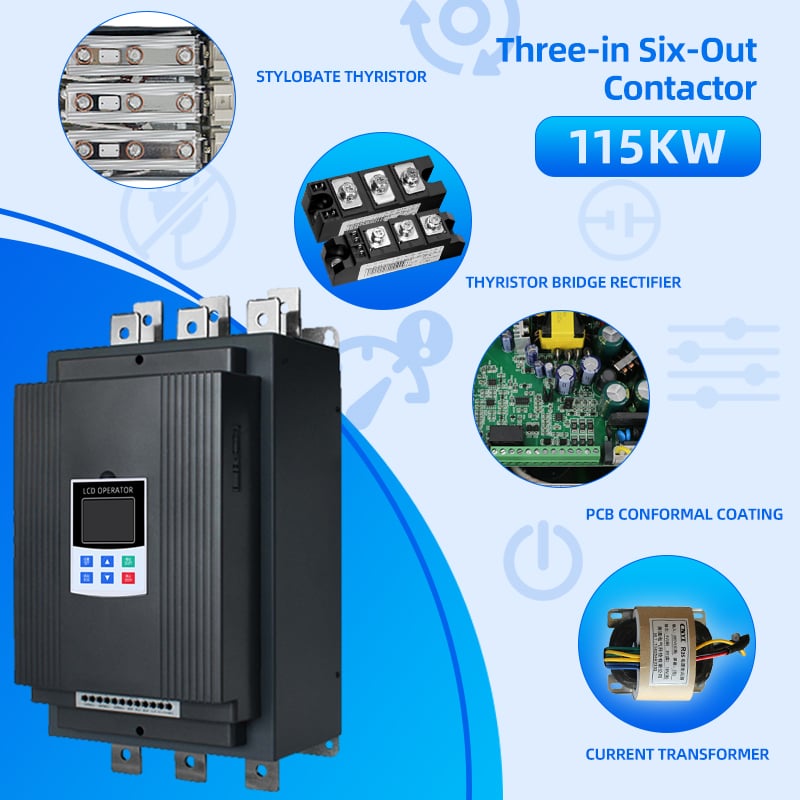
Industrial motors represent significant capital investments, and protecting them from electrical stress and mechanical shock during startup is critical for operational longevity and safety. A motor soft starter is an advanced solid-state device that gradually ramps up voltage to the motor during the starting phase, eliminating the sudden inrush current that occurs with traditional direct-on-line (DOL) starting methods. This controlled acceleration not only extends motor life but also reduces peak electrical demand on facility infrastructure, lowers maintenance costs, and improves overall system reliability. Understanding how a motor soft starter delivers custom protection solutions can help industrial operators and maintenance teams make informed decisions about motor management strategies.
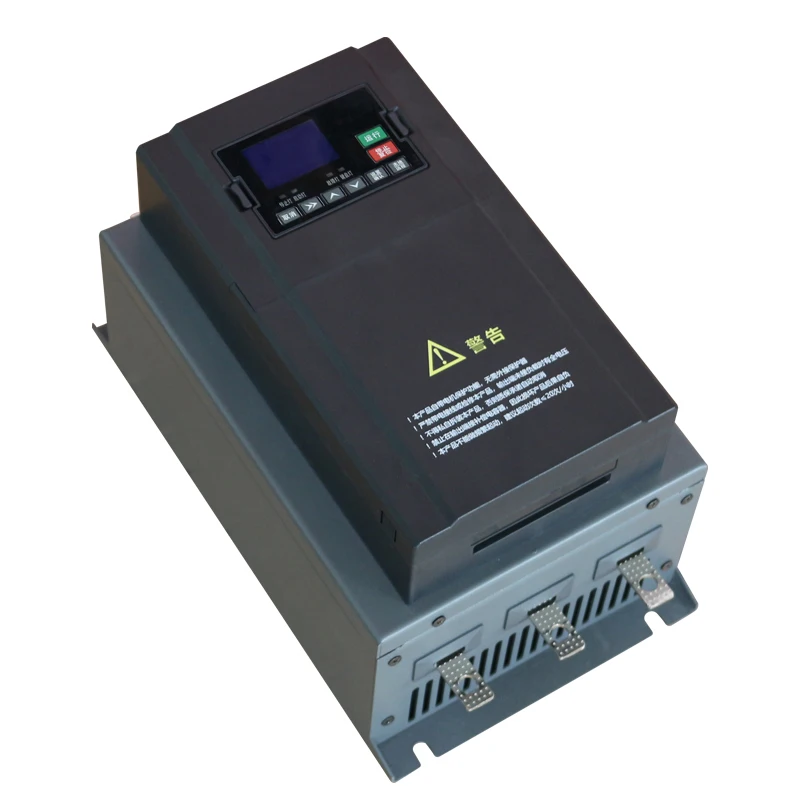
Every industrial facility faces unique motor control challenges driven by load characteristics, power distribution capacity, environmental conditions, and regulatory requirements. A motor soft starter solution can be customized to address specific application needs through adjustable ramp-up times, current limits, bypass functions, and communication protocols. This flexibility makes the motor soft starter an ideal choice for manufacturing plants, pump stations, compressor installations, conveyor systems, and fan applications where consistent motor performance and equipment protection are essential to productivity and cost management.
How Motor Soft Starter Technology Reduces Starting Stress
Elimination of Inrush Current Damage
Traditional direct-on-line starting methods apply full voltage instantly to the motor winding, causing inrush currents that can be 5 to 7 times the motor's full-load running current. This sudden electrical surge creates mechanical shock in the drivetrain, thermal stress in motor windings, and voltage dips that disrupt other equipment on the same electrical network. A motor soft starter mitigates these issues by progressively increasing voltage over a user-defined ramp-up period, typically lasting 10 to 30 seconds depending on load requirements. The controlled acceleration allows the rotor to gradually build speed and torque, reducing mechanical wear on couplings, belts, gearboxes, and bearing assemblies while protecting connected equipment from transient electrical disturbances.
Thermal Protection and Motor Longevity
Motor windings experience accelerated thermal aging when subjected to repeated high-current inrush events. A motor soft starter minimizes peak temperatures during startup by distributing electrical energy more gradually through the motor circuit. This thermal profile improvement directly extends motor service life and reduces the frequency of rewind requirements, representing substantial cost savings over the motor's operational lifetime. Many modern motor soft starter installations integrate temperature monitoring and thermal protection algorithms that automatically limit motor current if internal winding temperatures exceed safe thresholds, adding an additional layer of safeguarding against thermal failures.
Custom Configuration Options for Diverse Applications
Adjustable Ramp Times and Current Limits
Each industrial application has distinct torque and acceleration requirements based on the driven load characteristics. A motor soft starter allows operators to fine-tune the voltage ramp-up curve, allowing smooth acceleration for loads like centrifugal pumps and fans that require high initial torque, or slower ramps for conveyor systems and compressors where gradual speed buildup is preferred. Current limiting features in a motor soft starter prevent excessive demand on electrical distribution systems, which is particularly valuable in facilities with limited available power capacity or in remote locations where generator capacity is constrained. This customization capability ensures that a motor soft starter can be optimized for the specific operational context rather than applying one-size-fits-all starting parameters.
Bypass Function and Energy Efficiency
A sophisticated motor soft starter typically includes a bypass contactor that automatically engages after the motor reaches full speed. Once the bypass activates, the motor runs directly across the supply voltage, eliminating any voltage drop across the motor soft starter thyristor components and reducing ongoing energy losses during normal operation. This bypass function ensures that a motor soft starter does not negatively impact motor efficiency during steady-state running, making it an energy-conscious choice for continuous-duty applications where operating costs are sensitive to efficiency variations. The intelligent control logic automatically manages the bypass transition to ensure smooth engagement without mechanical disruption.
Communicat Protocols and Industrial Integration
RS485 and Network-Based Control
Modern industrial systems require seamless integration between motor control devices and centralized automation networks. A motor soft starter equipped with RS485 communication capabilities enables remote monitoring, parameter adjustment, and diagnostic reporting through industrial protocols such as Modbus RTU. This networked approach allows facility managers to centralize motor control strategies across multiple equipment types, collect real-time performance data, and implement predictive maintenance protocols based on actual operating conditions. A motor soft starter with communication functionality provides visibility into motor starting patterns, load profiles, and thermal trends, enabling data-driven optimization of motor management practices.
Solid-State Reliability and Reduced Maintenance
Unlike electromechanical starter solutions that rely on mechanical contactors subject to wear and arcing, a motor soft starter uses solid-state semiconductor technology to control voltage and current delivery. This solid-state architecture eliminates contact wear, reduces maintenance intervals, and improves system reliability in demanding industrial environments. A motor soft starter with IP20 or higher enclosure ratings provides protection against dust, moisture, and ambient contaminants, ensuring long-term performance in production facilities, outdoor installations, and challenging environmental conditions. The inherent durability of solid-state components means that a motor soft starter investment delivers consistent protection and control performance with minimal maintenance intervention over many years of service.
Real-World Applications and Protection Benefits
Centrifugal Pump and Compressor Systems
Pumping and compression applications benefit significantly from a motor soft starter because these loads generate substantial resistance during acceleration. A motor soft starter allows the motor to build torque gradually while limiting current draw, preventing nuisance breaker trips on undersized electrical feeds and reducing the structural shock transmitted to piping systems. Water utility operators and industrial process plants commonly deploy a motor soft starter to protect critical infrastructure while improving system stability and extending equipment service intervals.
Conveyor and Material Handling Equipment
Conveyor systems and belt-driven material handlers experience extreme mechanical stress during abrupt starts when using traditional DOL starting methods. A motor soft starter eliminates belt slippage, reduces slack-side tension spikes, and prevents catastrophic breakage of coupling elements by enabling smooth torque ramp-up. Mining operations, food processing facilities, and manufacturing plants rely on a motor soft starter to ensure reliable material flow while protecting expensive drive components from failure.
FAQ
What is the primary advantage of using a motor soft starter in industrial applications?
The primary advantage of a motor soft starter is its ability to reduce mechanical stress and electrical inrush currents during motor acceleration. By gradually ramping voltage to the motor over a controlled period, a motor soft starter minimizes wear on mechanical components like couplings and bearings, reduces thermal stress on motor windings, and prevents voltage disturbances that can disrupt other facility equipment. This protection extends equipment life while reducing maintenance costs and unplanned downtime.
Can a motor soft starter be customized for different load characteristics?
Yes, a motor soft starter can be extensively customized through adjustable parameters including ramp-up time, current limits, and torque control settings. Different industrial loads require different acceleration profiles, and a motor soft starter allows operators to optimize these parameters for centrifugal pumps, compressors, conveyors, fans, and other equipment types. This flexibility ensures that a motor soft starter delivers protection and performance specifically matched to each application's operational requirements.
How does a motor soft starter contribute to energy efficiency?
A motor soft starter contributes to energy efficiency through its bypass contactor feature, which automatically engages after the motor reaches full speed. Once bypass is active, the motor runs directly across the supply voltage without passing through the soft starter thyristors, eliminating voltage drop and associated energy losses during normal operation. Additionally, by reducing mechanical losses from abrupt starting shock and extending motor lifespan, a motor soft starter reduces overall facility energy consumption related to motor replacement and efficiency degradation.