 EN
EN

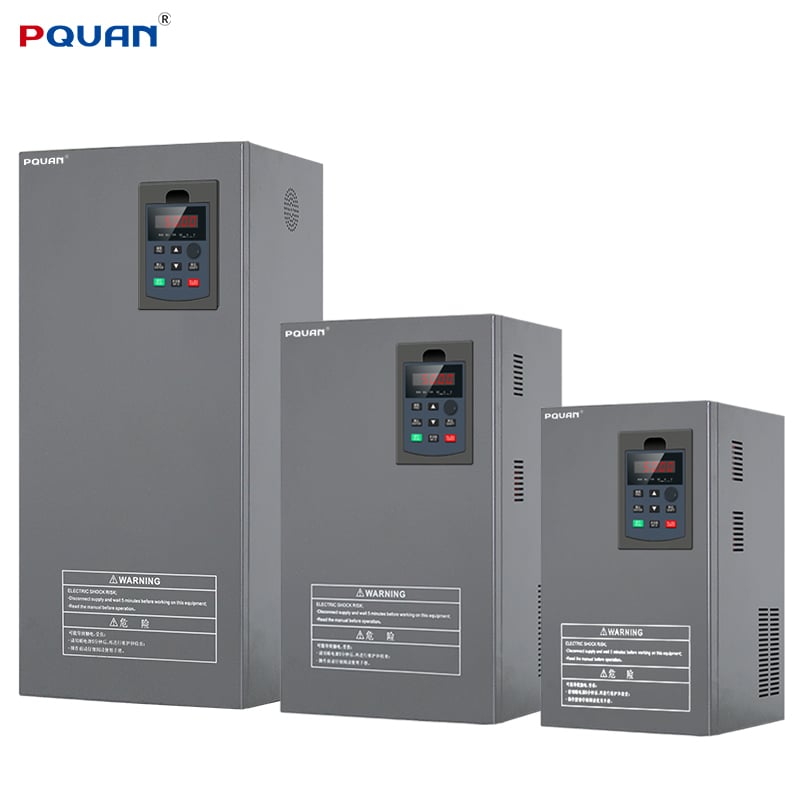
A inwerter częstotliwości stał się jednym z najważniejszych strategicznie urządzeń w nowoczesnych operacjach przemysłowych. Gdy zakłady dążą do ograniczenia marnowania energii, ochrony kluczowego sprzętu oraz uzyskania dokładniejszej kontroli nad procesami automatyzowanymi, przemiennik częstotliwości zapewnia mierzalne rezultaty we wszystkich trzech wymiarach. Zrozumienie, dlaczego ta technologia ma takie znaczenie, pomaga inżynierom przemysłowym i specjalistom ds. zakupów podejmować lepsze decyzje dotyczące systemów napędowych silników.
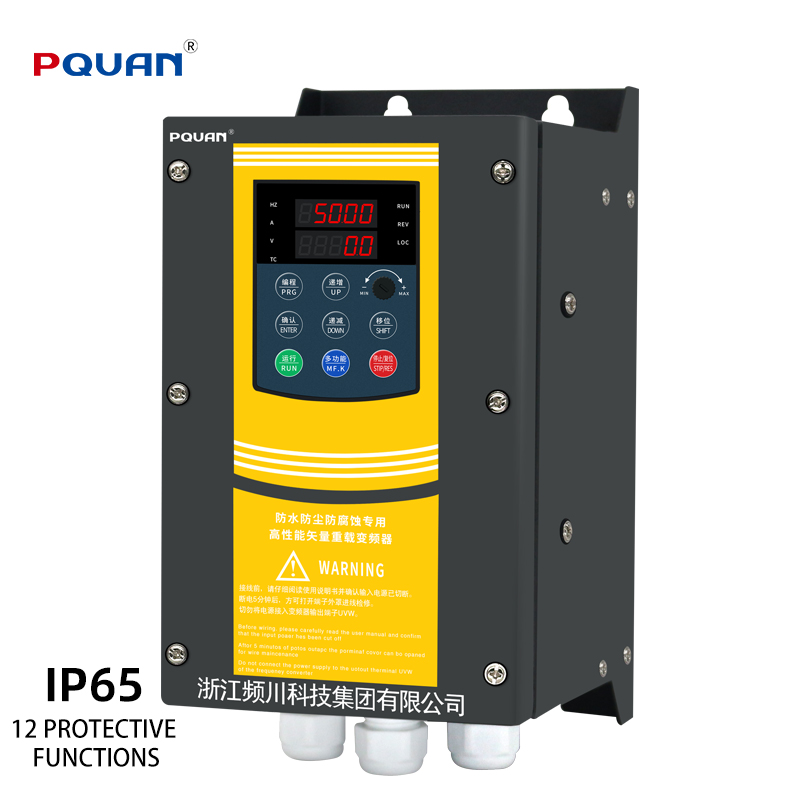
The inwerter częstotliwości , znany również powszechnie jako przemiennik częstotliwości lub VFD, kontroluje prędkość i moment obrotowy silnika prądu przemiennego poprzez dostosowanie częstotliwości i napięcia wyjściowego dostarczanego do tego silnika. Zamiast napędzać silnik z ustaloną prędkością niezależnie od rzeczywistego zapotrzebowania obciążenia, przemiennik częstotliwości umożliwia pracę silnika dokładnie z taką prędkością, jaką wymaga dane zastosowanie. Ta podstawowa funkcja otwiera szereg korzyści operacyjnych i finansowych, dzięki czemu przemiennik częstotliwości stał się standardowym elementem w pompach, wentylatorach, sprężarkach, przenośnikach oraz wielu innych systemach przemysłowych.
Efektywność energetyczna i obniżenie kosztów
Zmienna prędkość obrotowa pozwala zaoszczędzić znaczne ilości energii
Jednym z najbardziej przekonujących powodów stosowania przemiennika częstotliwości jest drastyczne zmniejszenie zużycia energii. Gdy silnik napędza pompę lub wentylator z pełną prędkością, a aplikacja wymaga jedynie częściowego przepływu, energia jest marnowana poprzez zwężanie przepływu lub sterowanie przepustnicą. A inwerter częstotliwości eliminuje ten odpad, zmniejszając bezpośrednio prędkość silnika w celu dopasowania jej do zapotrzebowania. Ponieważ zużycie mocy w obciążeniach odśrodkowych podlega prawu sześciennej zależności od prędkości, nawet umiarkowane zmniejszenie prędkości za pomocą przemiennika częstotliwości może w dłuższym okresie czasu przekładać się na bardzo duże oszczędności energii.
Przemysłowe obiekty, które instalują przemienniki częstotliwości w systemach pompowych lub wentylacyjno-klimatyzacyjnych (HVAC), regularnie zgłaszają redukcję kosztów energii elektrycznej o 20–50%, w zależności od charakterystyki obciążenia. Przemiennik częstotliwości zwrasza koszty swojej instalacji stosunkowo szybko, gdy jest stosowany w przypadku obciążeń pracujących przez dłuższy czas z częściową mocą. Ta przewaga energetyczna czyni przemiennik częstotliwości inwestycją o wysokim priorytecie w ramach każdego programu zarządzania energią.
Poprawa współczynnika mocy za pomocą przemiennika częstotliwości
Falownik częstotliwościowy przyczynia się również do poprawy współczynnika mocy systemu elektrycznego obiektu. Silniki o stałej prędkości obrotowej mogą pobierać moc bierną, co zwiększa opłaty za energię elektryczną i obciąża sprzęt rozdzielczy. Poprzez przekształcenie dopływającej energii przemienniej (AC) na energię stałą (DC), a następnie wygenerowanie kontrolowanego wyjściowego napięcia przemiennego (AC), falownik częstotliwościowy odłącza zachowanie współczynnika mocy silnika od sieci zasilającej. Ta cecha zmniejsza karne opłaty za moc bierną i może dodatkowo obniżyć całkowite koszty zużycia energii elektrycznej – poza oszczędnościami wynikającymi wyłącznie ze zmniejszenia prędkości obrotowej.
Ochrona silnika i układu mechanicznego
Możliwość łagodnego rozruchu falownika częstotliwościowego
Za każdym razem, gdy silnik uruchamiany jest bezpośrednio w sieci, pobiera prąd załączania, który może być od sześciu do dziesięciu razy wyższy niż jego znamionowy prąd pełnego obciążenia. Ten prąd załączania powoduje uderzenie mechaniczne w sprzęgłach, przekładniach, paskach i napędzanych urządzeniach. Przekształtnik częstotliwości eliminuje ten problem, stopniowo zwiększając prędkość silnika od zera do docelowej prędkości. Przekształtnik częstotliwości kontroluje zarówno częstotliwość, jak i napięcie podczas przyspieszania, ograniczając prąd do wartości bezpiecznej i znacznie zmniejszając obciążenie mechaniczne całego układu napędowego.
Obiekty, które przechodzą z bezpośrednich rozruchów w sieci na przekształtniki częstotliwości, regularnie stwierdzają wydłużenie czasu pracy łożysk, mniejszą liczbę uszkodzeń sprzęgieł oraz skrócenie czasu postoju koniecznego do konserwacji. Funkcja łagodnego rozruchu przekształtnika częstotliwości jest szczególnie przydatna w zastosowaniach obejmujących duże obciążenia, takie jak kruszarki, mieszalniki i duże systemy taśmociągów, gdzie uderzenie mechaniczne może spowodować poważne uszkodzenia.
Wbudowane elementy zabezpieczające
Nowoczesny przemiennik częstotliwości zawiera kompleksowy zestaw wbudowanych funkcji ochronnych chroniących zarówno silnik, jak i maszynę napędzaną. Ochrona przed przewiążeniem, monitorowanie nadnapięcia i niedonapięcia, ochrona termiczna oraz wykrywanie braku fazy są standardowymi funkcjami w wysokiej klasy przemienniku częstotliwości. Te funkcje ochronne reagują szybciej niż tradycyjne systemy oparte na przekaźnikach i pomagają zapobiegać kosztownym uszkodzeniom silników lub nieplanowanym zatrzymaniom pracy. Wdrożenie przemiennika częstotliwości zapewnia operatorom aktywną warstwę ochrony, która w czasie rzeczywistym stale monitoruje warunki elektryczne i termiczne.
Sterowanie procesem i elastyczność operacyjna
Precyzyjna kontrola prędkości i momentu obrotowego
Przekształtnik częstotliwości zapewnia poziom kontroli procesu, którego nie potrafią osiągnąć silniki o stałej prędkości obrotowej. W zastosowaniach takich jak kontrola napięcia w maszynach do nawijania, precyzyjna kontrola przepływu w dozowaniu chemicznym lub synchronizacja prędkości na wielosilnikowych liniach produkcyjnych przekształtnik częstotliwości umożliwia inżynierom ustawienie dokładnych charakterystyk prędkości i momentu obrotowego zgodnych z wymaganiami jakościowymi produktu. Przekształtnik częstotliwości przyjmuje analogowe lub cyfrowe sygnały zadane od sterowników PLC oraz systemów nadzoru i kontroli, co ułatwia jego integrację w zautomatyzowanych środowiskach produkcyjnych.
Ponad proste dostosowywanie prędkości, zaawansowany przemiennik częstotliwości obsługuje sterowanie sprzężeniem zwrotnym z użyciem algorytmu PID. Oznacza to, że przemiennik częstotliwości może automatycznie dostosowywać prędkość silnika w odpowiedzi na zmienną procesową, taką jak ciśnienie, przepływ, temperatura lub poziom, bez konieczności stosowania zewnętrznego regulatora. Ta wbudowana inteligencja czyni przemiennik częstotliwości funkcjonalnym regulatorem procesowym samym w sobie i zmniejsza potrzebę dodatkowego sprzętu automatyki.
Elastyczność eksploatacyjna w różnych zastosowaniach przemysłowych
Przekształtnik częstotliwości nie jest ograniczony do żadnego pojedynczego typu zastosowania. W dziedzinach takich jak oczyszczanie wody, przetwórstwo spożywcze, produkcja przemysłowa, górnictwo, systemy wentylacji, ogrzewania i klimatyzacji (HVAC) oraz transport materiałów przekształtnik częstotliwości dostosowuje się do szerokiego zakresu rozmiarów silników i typów obciążenia. Pojedyncza platforma przekształtnika częstotliwości często obsługuje wiele trybów sterowania, w tym sterowanie V/F, sterowanie wektorowe bez czujnika oraz sterowanie wektorowe w układzie zamkniętym, co zapewnia inżynierom elastyczność w dopasowaniu przekształtnika częstotliwości do dokładnych wymagań każdego zastosowania bez konieczności zmiany sprzętu.
Przekształtnik częstotliwości obsługuje również sterowane hamowanie i hamowanie dynamiczne, co ma kluczowe znaczenie w zastosowaniach, w których kontrolowane zatrzymywanie zapobiega uszkodzeniu produktów lub zagrożeniom bezpieczeństwa. Gdy przekształtnik częstotliwości zarządza zarówno przyspieszaniem, jak i hamowaniem, cały proces staje się płynniejszy, bardziej powtarzalny i łatwiejszy do zoptymalizowania. Ta wszechstranność operacyjna wyjaśnia, dlaczego przekształtnik częstotliwości zastąpił napędy o stałej prędkości obrotowej w tak wielu sektorach przemysłowych.
Często zadawane pytania
Jakie typy silników współpracują z przemiennikiem częstotliwości?
Przemiennik częstotliwości jest przeznaczony głównie do standardowych trójfazowych silników indukcyjnych prądu przemiennego, które są najbardziej powszechnym typem stosowanym w środowisku przemysłowym. Wiele nowoczesnych modeli przemienników częstotliwości obsługuje również silniki synchroniczne z magnesami trwałymi. Istotne jest dobranie przemiennika częstotliwości do parametrów napięcia, prądu i mocy silnika, aby zapewnić niezawodną pracę oraz pełną ochronę.
W jaki sposób przemiennik częstotliwości zmniejsza zużycie mechaniczne?
Przemiennik częstotliwości zmniejsza zużycie mechaniczne, eliminując wysokie prądy zwarciowe i skoki momentu występujące podczas bezpośredniego załączania silnika. Sterowane stopniowe rozpędzanie się dzięki przemiennikowi częstotliwości zmniejsza obciążenie łożysk, sprzęgieł, pasów napędowych oraz przekładni. W całym okresie eksploatacji maszyny łagodniejsze cykle rozruchu i zatrzymania znacząco wydłużają interwały serwisowe i redukują koszty wymiany części.
Czy przemiennik częstotliwości można stosować na zewnątrz lub w trudnych warunkach środowiskowych?
Tak, przemiennik częstotliwości może być stosowany w trudnych warunkach środowiskowych, o ile znajduje się w obudowie odpowiednio ocenionej pod kątem zastosowania. Przemysłowe modele przemienników częstotliwości są dostępne z klasyfikacją stopnia ochrony IP54 lub wyższą, co czyni je odpowiednimi do zastosowania w środowiskach pylnych, wilgotnych lub korozji powodujących. W przypadku instalacji na zewnątrz należy upewnić się, że obudowa przemiennika częstotliwości spełnia zarówno wymagany stopień ochrony IP, jak i zakres temperatur roboczych określony przez producenta.