 EN
EN

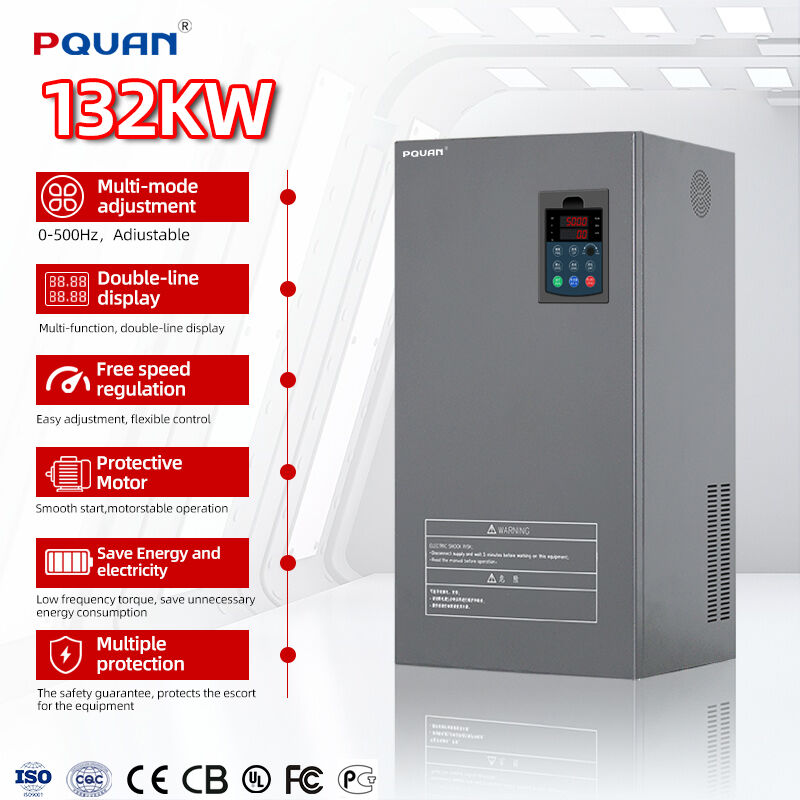
In today's technology-driven world, electrical equipment forms the backbone of both residential and industrial operations. However, fluctuating voltage levels pose a significant threat to these valuable assets, potentially causing damage worth thousands of dollars. A voltage stabilizer serves as the critical barrier between unstable power supply and sensitive electronic devices, ensuring consistent voltage delivery regardless of input variations. Understanding the importance and functionality of voltage stabilizers has become essential for anyone seeking to protect their electrical investments and maintain operational efficiency.
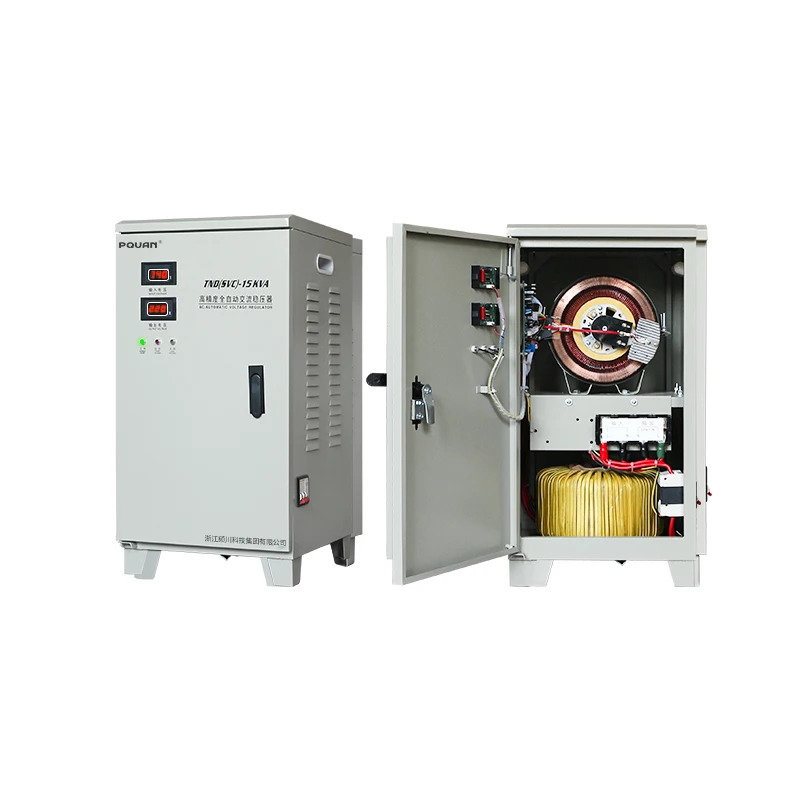
Understanding Voltage Stabilizer Technology
Basic Operating Principles
A voltage stabilizer operates on the fundamental principle of automatic voltage regulation, monitoring input voltage continuously and adjusting output accordingly. The device employs sophisticated circuitry that detects voltage variations and compensates for fluctuations through electromagnetic or electronic switching mechanisms. When input voltage drops below the desired level, the voltage stabilizer adds additional voltage through transformer windings, while excess voltage gets reduced through the same process in reverse. This continuous monitoring and adjustment process ensures that connected equipment receives stable voltage within acceptable limits, typically maintaining output within plus or minus five percent of the rated voltage.
Modern voltage stabilizer units incorporate microprocessor-based control systems that enhance response time and accuracy. These advanced controllers can process voltage readings multiple times per second, enabling rapid correction of voltage anomalies before they affect connected equipment. The integration of digital technology has significantly improved the reliability and performance of voltage stabilizers, making them indispensable components in power management systems across various applications.
Types and Classifications
Voltage stabilizers come in several distinct categories, each designed for specific applications and power requirements. Relay-based voltage stabilizers represent the most common type, utilizing electromagnetic relays to switch transformer taps and adjust output voltage. These units offer reliable performance for residential and small commercial applications, providing cost-effective voltage regulation for loads up to moderate power levels. The relay switching mechanism ensures durability and long service life, making these voltage stabilizers popular choices for protecting household appliances and office equipment.
Servo-controlled voltage stabilizers employ motorized variable transformers to provide smooth and continuous voltage adjustment without discrete switching steps. This technology delivers superior voltage regulation accuracy and faster response times compared to relay-based systems. Static voltage stabilizers utilize electronic switching components such as thyristors or IGBTs to achieve instantaneous voltage correction without mechanical moving parts. These advanced units offer the highest precision and fastest response times, making them ideal for protecting sensitive electronic equipment in critical applications.
Protection Mechanisms and Benefits
Equipment Protection Features
The primary function of a voltage stabilizer extends beyond simple voltage regulation to comprehensive equipment protection. Voltage fluctuations can cause immediate damage to sensitive components or gradually degrade equipment performance over time. A quality voltage stabilizer incorporates multiple protection mechanisms including overvoltage protection, undervoltage lockout, and surge suppression capabilities. These features work together to create a protective barrier that prevents harmful voltage conditions from reaching connected equipment.
Overvoltage protection circuits within the voltage stabilizer detect when input voltage exceeds safe limits and either regulate the output to acceptable levels or disconnect the load entirely if voltage levels become dangerous. Similarly, undervoltage protection prevents equipment operation during brownout conditions that could cause motor damage or data corruption in electronic devices. Many modern voltage stabilizers also include built-in surge protection to guard against transient voltage spikes caused by lightning strikes or switching operations in the electrical grid.
Economic and Operational Advantages
Installing a voltage stabilizer provides substantial economic benefits through reduced equipment maintenance costs and extended operational life of electrical devices. Voltage fluctuations cause premature wear on motor windings, electronic components, and other sensitive parts, leading to frequent repairs and replacements. By maintaining stable voltage conditions, a voltage stabilizer significantly reduces these maintenance requirements and associated downtime costs.
The operational advantages of voltage stabilizers extend to improved equipment efficiency and performance consistency. Motors operating under stable voltage conditions consume optimal power levels and deliver rated performance, while electronic devices function within their design parameters without glitches or malfunctions. This enhanced reliability translates to increased productivity and reduced operational disruptions, particularly important in manufacturing and commercial environments where equipment downtime directly impacts profitability.
Industrial Applications and Specifications
Manufacturing and Production Environments
Industrial facilities rely heavily on voltage stabilizers to protect expensive machinery and maintain production continuity. Manufacturing equipment such as CNC machines, robotic systems, and automated assembly lines require precise voltage conditions to operate within specification tolerances. A voltage stabilizer designed for industrial applications must handle higher power loads and provide robust protection against the harsh electrical environment typical of manufacturing facilities. These units often feature enhanced cooling systems, ruggedized enclosures, and advanced monitoring capabilities to ensure reliable operation in demanding conditions.
The selection of appropriate voltage stabilizer capacity for industrial applications requires careful analysis of total connected load, starting current requirements, and future expansion plans. Industrial voltage stabilizers typically range from several kilowatts to hundreds of kilowatts, with three-phase configurations being common for large motor loads. Proper sizing ensures adequate voltage regulation under all operating conditions while avoiding unnecessary oversizing that increases initial costs and energy consumption.
Commercial and Residential Applications
Commercial buildings utilize voltage stabilizers to protect HVAC systems, elevators, lighting circuits, and computer networks from voltage-related problems. The investment in voltage stabilizer technology pays dividends through reduced service calls, extended equipment life, and improved occupant comfort. Office buildings, retail establishments, and healthcare facilities particularly benefit from the reliable power conditions that voltage stabilizers provide, ensuring uninterrupted operation of critical systems.
Residential voltage stabilizers have gained popularity as homeowners recognize the value of protecting expensive appliances and electronic devices. Modern homes contain sophisticated equipment including smart TVs, home theater systems, computers, and energy-efficient appliances that require stable voltage for optimal performance. A residential voltage stabilizer provides peace of mind and financial protection against voltage-related damage, particularly in areas with unreliable electrical grid conditions or frequent power quality issues.
Selection Criteria and Installation Considerations
Technical Specifications and Sizing
Selecting the appropriate voltage stabilizer requires careful evaluation of several technical parameters including load characteristics, input voltage variation range, and required regulation accuracy. The total connected load determines the minimum capacity requirement, but factors such as starting current, power factor, and load type influence the final sizing decision. Inductive loads like motors and transformers require voltage stabilizers with higher capacity ratings to handle inrush currents during startup operations.
Input voltage variation range represents a critical specification that must match the expected voltage fluctuations in the installation location. A voltage stabilizer designed for regions with severe voltage variations requires wider input range capability and more robust correction mechanisms. The regulation accuracy specification indicates how closely the output voltage matches the desired setpoint, with tighter tolerance requirements demanding more sophisticated control systems and higher-grade components.
Environmental and Safety Factors
Environmental conditions significantly impact voltage stabilizer performance and longevity, requiring careful consideration during the selection process. Operating temperature range, humidity levels, altitude, and atmospheric contamination all affect component reliability and cooling requirements. Industrial voltage stabilizers often require enhanced environmental protection through sealed enclosures, corrosion-resistant materials, and specialized cooling systems to ensure reliable operation in challenging conditions.
Safety considerations include proper grounding, overcurrent protection, and compliance with relevant electrical codes and standards. Installation of a voltage stabilizer must follow manufacturer recommendations and local electrical regulations to ensure safe operation and maintain warranty coverage. Professional installation by qualified electricians ensures proper connections, adequate ventilation, and appropriate protection coordination with existing electrical system components.
Maintenance and Troubleshooting
Preventive Maintenance Practices
Regular maintenance ensures optimal voltage stabilizer performance and extends equipment service life through proactive care and inspection. Scheduled maintenance activities include cleaning cooling vents and internal components, checking electrical connections for tightness and corrosion, and verifying proper operation of cooling fans and ventilation systems. These routine tasks prevent common problems and identify potential issues before they cause equipment failure or performance degradation.
Electrical testing forms a crucial component of voltage stabilizer maintenance, involving measurement of input and output voltages under various load conditions. Regular calibration checks ensure that voltage regulation remains within specification limits, while insulation resistance testing verifies the integrity of electrical isolation between circuits. Documentation of test results provides valuable trending information that helps predict maintenance requirements and identify gradual performance changes over time.
Common Issues and Solutions
Voltage stabilizer problems typically manifest as inadequate regulation, excessive noise, overheating, or complete failure to operate. Poor voltage regulation often results from worn relay contacts, contaminated connections, or calibration drift in control circuits. Regular cleaning and contact maintenance can prevent many of these issues, while periodic calibration ensures continued accuracy. Excessive noise may indicate mechanical wear in relay systems or cooling fan problems that require attention to prevent further damage.
Overheating represents a serious concern that can lead to premature component failure and potential safety hazards. Common causes include blocked ventilation, excessive ambient temperatures, or operation beyond rated capacity limits. Proper installation with adequate clearances and regular cleaning of cooling systems helps prevent overheating issues. When troubleshooting voltage stabilizer problems, systematic testing and careful observation of symptoms guides technicians toward effective solutions while minimizing downtime and repair costs.
FAQ
What size voltage stabilizer do I need for my home or business
The size of voltage stabilizer required depends on your total electrical load and the type of equipment being protected. Calculate the sum of all connected loads including motors, lighting, and electronic devices, then add a safety margin of 20-30% for future expansion and starting currents. For residential applications, voltage stabilizers typically range from 5kVA to 20kVA, while commercial installations may require units rated from 10kVA to several hundred kVA. Consult with a qualified electrician or voltage stabilizer manufacturer to ensure proper sizing based on your specific application requirements and local electrical conditions.
How long do voltage stabilizers typically last and what affects their lifespan
Quality voltage stabilizers typically provide 10-15 years of reliable service when properly maintained and operated within design specifications. Factors affecting lifespan include environmental conditions, load characteristics, frequency of voltage corrections, and maintenance quality. Units operating in clean, temperature-controlled environments with stable loads generally achieve longer service life than those subjected to harsh conditions or frequent heavy-duty cycling. Regular maintenance including cleaning, connection inspection, and calibration verification significantly extends equipment life and maintains optimal performance throughout the service period.
Can a voltage stabilizer improve power factor and reduce electricity bills
While voltage stabilizers primarily regulate voltage levels, they can indirectly contribute to improved system efficiency and reduced energy consumption. Stable voltage conditions allow motors and other equipment to operate at optimal efficiency levels, potentially reducing power consumption. However, voltage stabilizers do not directly correct power factor issues, which require separate power factor correction equipment. Some advanced voltage stabilizer models incorporate power factor correction capabilities, but this feature must be specifically included in the design. Consult manufacturers about integrated solutions if both voltage regulation and power factor correction are required for your application.
What maintenance is required for voltage stabilizers and how often
Voltage stabilizer maintenance requirements vary based on environmental conditions and operating duty, but general guidelines include monthly visual inspections, quarterly cleaning of ventilation systems, and annual comprehensive testing and calibration. Monthly inspections should verify proper operation of indicator lights, cooling fans, and absence of unusual noises or odors. Quarterly maintenance involves cleaning dust from cooling vents and internal components accessible without disassembly. Annual maintenance includes electrical testing, calibration verification, and detailed inspection by qualified technicians. Harsh environments or critical applications may require more frequent maintenance intervals to ensure continued reliability and performance.