 EN

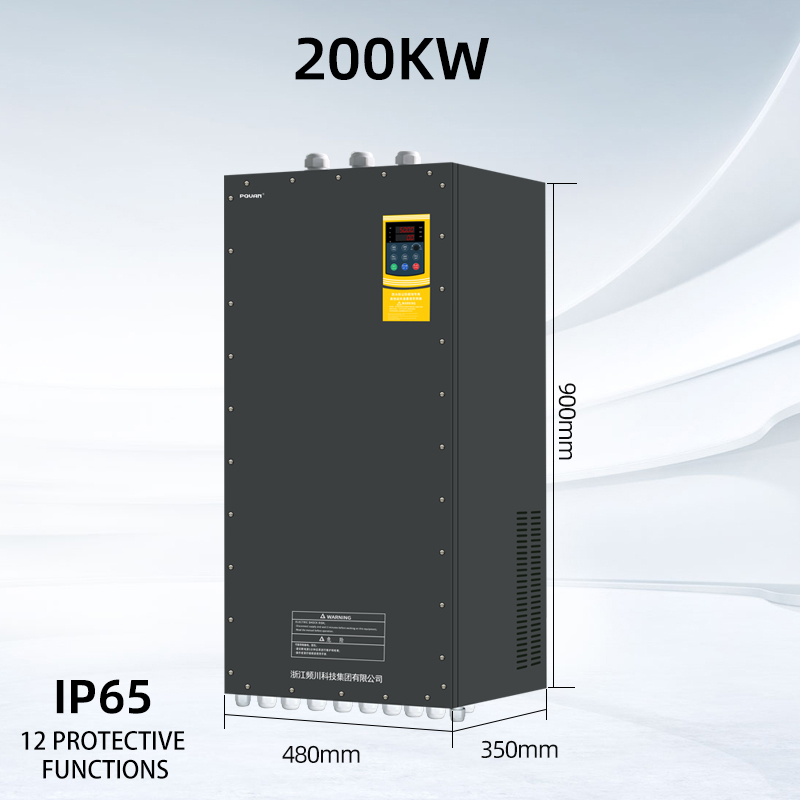
Modern industrial operations depend on precise motor control to maintain productivity, reduce operational costs, and extend equipment lifespan. A variable frequency drive represents one of the most transformative technologies in motor management, enabling facilities to optimize performance across countless applications. Whether managing HVAC systems, conveyor belts, pump operations, or compressor units, the variable frequency drive has become essential for businesses seeking competitive advantage through operational excellence. Understanding the variable frequency drive benefits helps facility managers and engineers make informed decisions about equipment upgrades and energy management strategies.
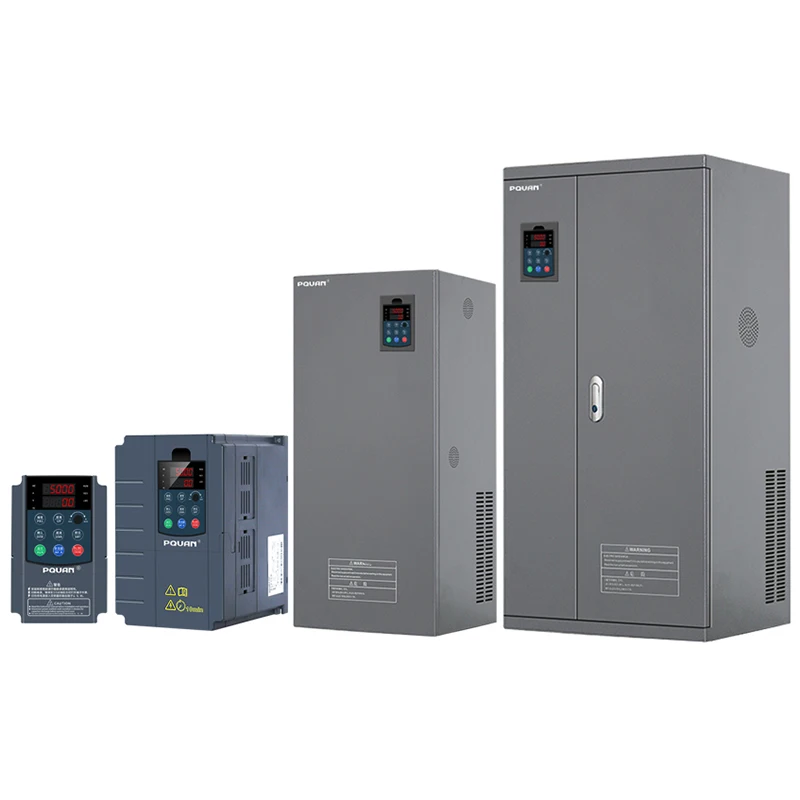
The variable frequency drive works by converting fixed-frequency alternating current into variable-frequency output, allowing precise control over motor speed and torque. This fundamental capability unlocks significant advantages across energy consumption, maintenance requirements, and system reliability. Industrial facilities investing in variable frequency drive technology report measurable improvements in operational metrics, cost reduction, and equipment durability. The following sections examine seven compelling benefits that explain why the variable frequency drive has become standard practice in modern industrial environments.
Energy Efficiency and Cost Reduction
Dramatic Reduction in Energy Consumption
The variable frequency drive delivers substantial energy savings by matching motor speed to actual load requirements rather than running at constant maximum speed. Traditional fixed-speed motors consume full power regardless of current demand, creating significant waste in partial-load scenarios. When a variable frequency drive controls motor operation, the device adjusts frequency and voltage proportionally to load, reducing power consumption exponentially. Studies across industrial facilities demonstrate that variable frequency drive implementations reduce motor energy consumption by 20 to 50 percent depending on application type and operating patterns. This efficiency gain translates directly to lower electricity bills, reduced carbon footprint, and improved sustainability metrics.
Optimized Operating Costs Over Equipment Lifecycle
Beyond immediate energy savings, the variable frequency drive reduces overall operating expenses through multiple mechanisms. Soft starting capabilities eliminate inrush current, reducing electrical stress and extending transformer lifespan. The variable frequency drive minimizes mechanical shock on driven equipment, lowering maintenance frequency and spare parts inventory requirements. Many facilities report payback periods for variable frequency drive investments between two and four years based purely on energy savings. When combined with reduced maintenance costs and extended equipment life, the variable frequency drive delivers compelling return on investment that justifies capital expenditure across most industrial applications.
Motor Protection and Extended Equipment Lifespan
Reduced Mechanical Stress and Thermal Damage
Traditional motors experience substantial mechanical stress during startup, with inrush currents reaching six to eight times normal operating current. This stress accelerates bearing wear, stresses shaft connections, and causes thermal cycling that degrades insulation. A variable frequency drive eliminates this harmful startup shock through smooth acceleration ramps, protecting motors and driven equipment from mechanical damage. By maintaining optimal operating temperatures and preventing thermal spikes, the variable frequency drive significantly reduces winding insulation degradation. Motors operating under variable frequency drive control typically achieve 30 to 40 percent longer service life compared to directly connected motors, dramatically reducing replacement frequency and downtime.
Precise Speed Control Prevents Overheating
The variable frequency drive enables continuous monitoring and adjustment of motor operating conditions, preventing overheating situations that shorten motor life. When load demands decrease, the variable frequency drive reduces motor speed rather than allowing sustained high-speed operation at reduced load, which generates excessive heat. Advanced variable frequency drive systems include thermal protection algorithms that automatically adjust operating parameters when motors approach critical temperature thresholds. This intelligent control capability means that motors protected by a variable frequency drive rarely experience the thermal stress that causes premature failure. Facility managers benefit from more predictable maintenance schedules and fewer emergency motor replacements.
Process Control and Operational Flexibility
Precise Speed and Torque Adjustment
The variable frequency drive provides unprecedented control over motor performance, enabling fine-tuning of speed and torque to match exact process requirements. In pumping applications, the variable frequency drive allows precise flow rate control without mechanical throttling losses. For conveyor systems, the variable frequency drive enables smooth speed transitions and load-dependent acceleration that protects product quality and reduces spillage. Manufacturing operations benefit from variable frequency drive capabilities to maintain consistent product quality by maintaining optimal equipment speed across production cycles. This level of process precision would be impossible with mechanical speed control methods or fixed-speed motor operation, representing a fundamental advantage in modern manufacturing and material handling environments.
Adaptability to Changing Operating Conditions
Industrial processes rarely operate under constant conditions, requiring equipment to adapt to seasonal changes, production demand fluctuations, and load variations. The variable frequency drive responds dynamically to changing conditions, automatically adjusting motor speed to maintain desired performance parameters. When integrated with facility control systems, the variable frequency drive enables coordinated operation across multiple motors and processes. This adaptability eliminates the need for mechanical bypass systems, variable pulley arrangements, or other inflexible speed control methods. Facilities using variable frequency drive technology achieve faster response times to process changes, higher product consistency, and improved overall operational reliability.
Advanced Monitoring and Predictive Maintenance
Real-Time Diagnostics and Fault Detection
Modern variable frequency drive systems incorporate sophisticated monitoring capabilities that track motor performance parameters continuously. The variable frequency drive measures current, voltage, frequency, and operating temperature, providing real-time insight into motor health status. When abnormal conditions develop, the variable frequency drive generates diagnostic alerts before equipment failure occurs, enabling proactive maintenance intervention. This predictive capability reduces unexpected downtime by allowing maintenance teams to plan repairs during scheduled maintenance windows rather than responding to emergency failures. Facilities implementing variable frequency drive-based monitoring report significant reductions in unplanned downtime and associated productivity losses.
Detailed Performance Analytics for Optimization
The variable frequency drive collects operational data across extended time periods, enabling comprehensive analysis of motor performance patterns. Facility managers can identify peak load periods, detect gradual efficiency degradation, and optimize operating schedules based on variable frequency drive performance data. Advanced variable frequency drive systems integrate with enterprise software systems, providing automated reporting and trend analysis. This data-driven approach to maintenance transforms reactive repair into strategic optimization, helping facilities continuously improve operational efficiency. The variable frequency drive essentially converts every motor into a monitored system providing actionable intelligence for facility management decisions.
Environmental Benefits and Sustainability
Significant Carbon Footprint Reduction
As industrial operations face increasing pressure to reduce environmental impact, the variable frequency drive offers compelling sustainability advantages. The variable frequency drive reduces electrical consumption, directly lowering carbon emissions associated with facility operations. Industrial facilities typically represent significant contributors to regional carbon footprints, making variable frequency drive adoption an impactful sustainability strategy. A single variable frequency drive installation on a major motor can prevent several tons of carbon dioxide emissions annually. When multiplied across facility-wide variable frequency drive implementations, these environmental benefits become substantial contributions to corporate sustainability goals and regulatory compliance requirements.
Reduced Resource Consumption and Waste
Beyond energy efficiency, the variable frequency drive reduces resource consumption through extended equipment lifespan and reduced replacement frequency. Manufacturing fewer replacement motors means fewer raw materials consumed, reduced manufacturing waste, and lower supply chain environmental impact. The variable frequency drive enables facilities to operate existing equipment longer, deferring capital replacement cycles and associated resource consumption. Improved process control through variable frequency drive technology reduces product waste and scrap in manufacturing operations. These combined environmental benefits make variable frequency drive adoption an attractive strategy for facilities pursuing comprehensive sustainability initiatives and environmental stewardship.
Reduced Electrical Stress and System Stability
Elimination of Harmful Inrush Current
Direct motor startup creates massive inrush currents that stress electrical infrastructure, causing voltage drops affecting other facility equipment. The variable frequency drive eliminates inrush current through soft-start ramping, protecting electrical systems and reducing demand charges on utility bills. Voltage stability improvements benefit facility electrical systems by preventing brown-out conditions that trigger equipment shutdowns or malfunctions. Facilities with variable frequency drive implementations report more stable electrical performance and reduced electromagnetic interference affecting sensitive control equipment. The variable frequency drive protects entire electrical systems, not just individual motors, delivering facility-wide benefits beyond isolated equipment performance.
Improved Power Factor and Utility Compliance
Modern variable frequency drive systems incorporate power factor correction capabilities that improve electrical efficiency at the facility level. Improved power factor reduces utility penalty charges that facilities face for inefficient electrical consumption. The variable frequency drive enables facilities to comply with increasingly stringent power quality requirements and energy efficiency regulations. By reducing reactive power and harmonics in facility electrical systems, the variable frequency drive contributes to overall electrical system health and reliability. Utility companies increasingly incentivize variable frequency drive adoption through rebates and favorable rate structures, recognizing the facility-wide electrical benefits these devices provide.
FAQ
What industries benefit most from variable frequency drive technology?
The variable frequency drive delivers benefits across virtually all industrial sectors, with particularly strong applications in HVAC systems, water treatment facilities, manufacturing plants, food processing operations, and material handling systems. Any facility operating motors with variable load demands or requiring precise speed control represents an ideal candidate for variable frequency drive implementation. The variable frequency drive excels in applications where energy efficiency, process control precision, or equipment reliability significantly impact operational success and profitability.
How long does a variable frequency drive installation typically take?
Installation time for a variable frequency drive depends on application complexity, existing control systems, and integration requirements. Simple single-motor applications may require just several hours, while complex multi-motor installations with custom programming may take several days. The variable frequency drive installation process typically includes physical mounting, electrical connections, control system programming, and comprehensive testing before operational deployment. Most facilities can minimize downtime by scheduling variable frequency drive installations during planned maintenance windows or production shutdowns.
Can variable frequency drives work with existing motors?
Yes, the variable frequency drive works with most existing standard motors without requiring equipment replacement. However, older motors designed before variable frequency drive technology became common may need upgraded cooling systems or insulation ratings for optimal performance. New motor installations specifically rated for variable frequency drive operation provide enhanced performance and longer service life. Facilities considering variable frequency drive retrofits should evaluate existing motor condition and specifications to ensure compatibility and optimal performance across the entire system.