 EN

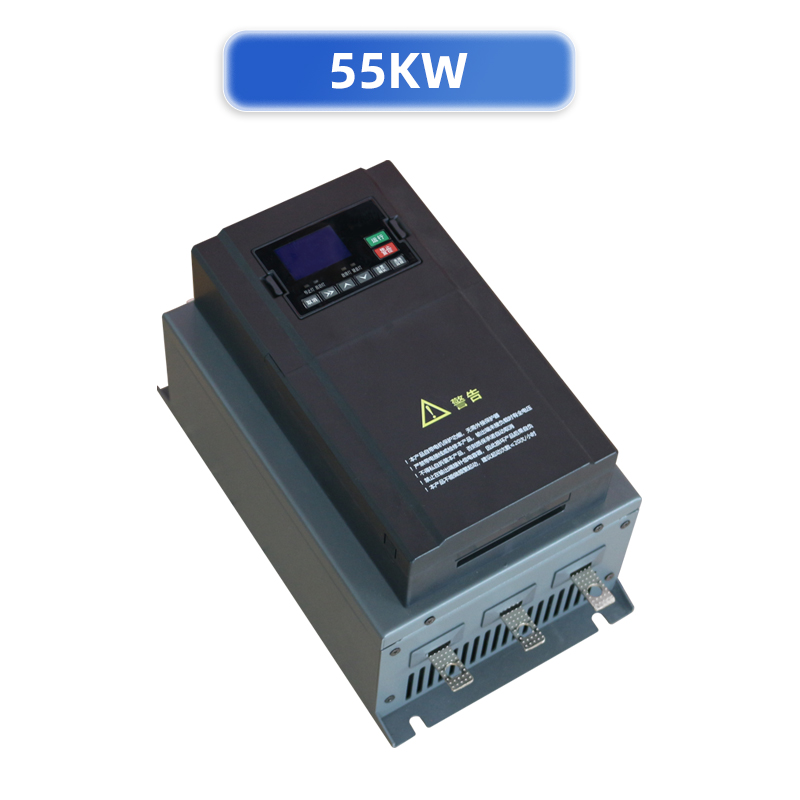
A soft starter represents one of the most effective investments in modern motor management and industrial efficiency. Unlike traditional across-the-line starting methods, a soft starter gradually ramps up voltage to the motor, delivering a controlled acceleration profile that reduces mechanical and electrical stress on equipment. This technology has become indispensable in manufacturing facilities, water treatment plants, HVAC systems, and any industrial operation where motor reliability and energy efficiency matter. Understanding the core benefits of a soft starter helps operations managers, plant engineers, and maintenance teams make informed decisions about motor protection and long-term asset management.
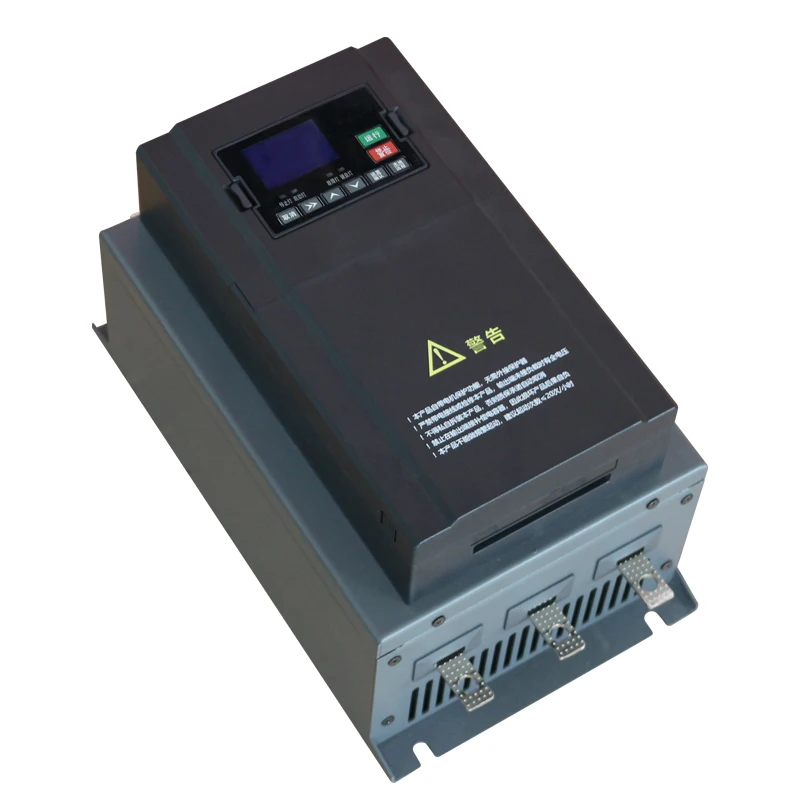
The implementation of a soft starter in an industrial setting delivers tangible returns across energy consumption, equipment lifespan, and operational reliability. This article explores seven critical advantages that explain why a soft starter has become standard practice in professional industrial environments, from small manufacturing shops to large-scale production facilities.
Reduced Inrush Current and Motor Protection
Understanding Inrush Current Challenges
Traditional motor starting creates an inrush current spike that can exceed six times the motor's full-load current within milliseconds. This massive current surge stresses the motor windings, bearings, and connected mechanical equipment, accelerating wear and triggering unnecessary maintenance cycles. A soft starter eliminates this destructive spike by controlling the voltage ramp-up process. Instead of exposing the motor to full line voltage instantly, a soft starter gradually applies voltage over a controlled time period, typically one to ten seconds depending on load requirements. This measured approach protects the entire motor assembly and significantly extends its operational lifespan.
Extended Equipment Durability Through Controlled Starting
When you use a soft starter, the mechanical shock that normally accompanies motor acceleration is virtually eliminated. Pumps, fans, compressors, and other driven equipment experience gentle torque buildup rather than sudden mechanical shock. Bearings last longer, seals remain intact, and gearboxes avoid unnecessary stress cycles. Maintenance teams report fewer unplanned failures and reduced repair costs when operating equipment protected by a soft starter. The investment in soft starter technology pays dividends through reduced downtime and lower maintenance spending over three to five years.
Energy Efficiency and Cost Reduction
Lower Energy Consumption During Motor Acceleration
A soft starter reduces energy waste during the critical starting phase of motor operation. Traditional starters draw excessive current from the electrical system, causing voltage drops that affect other equipment on the same circuit. A soft starter manages this current draw intelligently, reducing peak power demand and minimizing reactive power losses. Industrial facilities with multiple motors benefit substantially, as a soft starter on each major motor keeps the overall electrical load profile stable and predictable. Over a year of operation, this efficiency gain translates directly to measurable reductions in utility bills, making a soft starter an economically sound capital investment.
Demand Charge Reduction and Power Factor Improvement
Large industrial operations pay demand charges based on peak current consumption during billing periods. A soft starter flattens the demand profile by preventing the sudden current spikes that trigger high demand charges. Additionally, a soft starter improves power factor by reducing the reactive current component associated with aggressive motor starting. Facilities that deploy a soft starter across multiple critical motors often see monthly electricity costs drop by five to fifteen percent, depending on local utility rate structures and motor duty cycles. This financial benefit alone justifies the capital cost of a soft starter within two to three years for most industrial applications.
Improved Operational Control and System Flexibility
Customizable Acceleration Profiles and Ramping Options
A soft starter provides operators with precise control over motor acceleration parameters, something impossible with traditional contactors. Different processes require different acceleration profiles. A conveyor system might need rapid acceleration, while a pump or blower demands gentle ramp-up to prevent water hammer or pressure surge. Most soft starter units offer adjustable voltage ramp times, current limits, and starting torque profiles. This flexibility means a single soft starter can serve multiple applications with different starting requirements. Engineers appreciate this versatility because a soft starter configured for one process can be reprogrammed on-site for another duty, eliminating the need for separate hardware solutions.
Reduced Voltage Fluctuations and System Stability
When large motors start with traditional methods, they cause momentary voltage sags that can disrupt sensitive equipment on the same electrical circuit. Programmable logic controllers, variable frequency drives, and precision instrumentation all suffer from these voltage disturbances. A soft starter minimizes voltage fluctuations by controlling current flow smoothly, maintaining system voltage stability throughout the starting sequence. This benefit becomes critical in facilities where sensitive electronics and robust motor equipment share the same power infrastructure. The result is fewer nuisance alarms, reduced data transmission errors, and more reliable overall system performance across the entire electrical network.
Environmental and Long-Term Operational Benefits
Reduced Thermal Stress and Mechanical Wear
The heat generated during aggressive motor starting accelerates degradation of insulation materials inside motor windings. A soft starter keeps motor startup temperatures lower by spreading the acceleration process over time, allowing the motor cooling system to dissipate heat gradually. This cooler operating profile during starting extends the thermal life of insulation materials significantly. Maintenance records from facilities using a soft starter consistently show fewer motor burnouts and extended motor service intervals. When you combine this thermal benefit with the mechanical shock reduction discussed earlier, a soft starter becomes a comprehensive motor protection solution that preserves equipment integrity throughout its intended service life.
Reduced Electrical Network Stress and Harmonics
Traditional motor starting methods inject harmonic currents into the electrical system, which can interfere with power factor correction equipment and sensitive instruments. A soft starter operates with cleaner current characteristics, producing fewer harmonics and reducing electrical noise on the power distribution network. This cleaner electrical environment protects other sensitive equipment connected to the same facility circuits. Large industrial complexes with demanding regulatory compliance requirements often mandate a soft starter for this reason alone. The improved power quality that results from using a soft starter benefits the entire facility electrical infrastructure, not just the motor being started.
FAQ
What is the main difference between a soft starter and a variable frequency drive?
A soft starter manages motor acceleration during the starting phase by controlling voltage ramp-up, while a variable frequency drive continuously controls motor speed throughout operation. A soft starter works with standard three-phase motors and provides fixed-speed operation once the motor reaches full speed. A variable frequency drive offers dynamic speed control but requires more complex electronics and cooling. For applications requiring only controlled starting without speed variation, a soft starter is simpler, more cost-effective, and requires less maintenance than a variable frequency drive. Choose a soft starter when you need starting protection and a VFD when you need full-time speed control.
How does a soft starter protect against voltage sags in industrial systems?
A soft starter reduces inrush current by gradually applying voltage, which prevents the sudden current spike that causes voltage sags. When multiple motors start simultaneously on weak electrical networks, traditional starters can drop system voltage significantly, disrupting other equipment. A soft starter spreads the current draw over several seconds, keeping peak current low enough that system voltage remains stable. This protection becomes especially valuable in distributed facilities, remote manufacturing plants, or locations with limited electrical service capacity where voltage stability is critical for continuous operations.
What is the typical payback period for investing in a soft starter?
The payback period for a soft starter typically ranges from one to three years, depending on facility size, motor duty cycle, local electricity rates, and maintenance cost savings. Large motors operating frequently in regions with high demand charges recover costs faster. A soft starter for a fifty-kilowatt pump running eight hours daily might pay for itself within eighteen months through energy savings and reduced maintenance. Smaller motors operating intermittently may require three years to achieve full payback. Beyond the payback period, the soft starter continues delivering savings through extended equipment life and lower overall operating costs indefinitely.