 EN

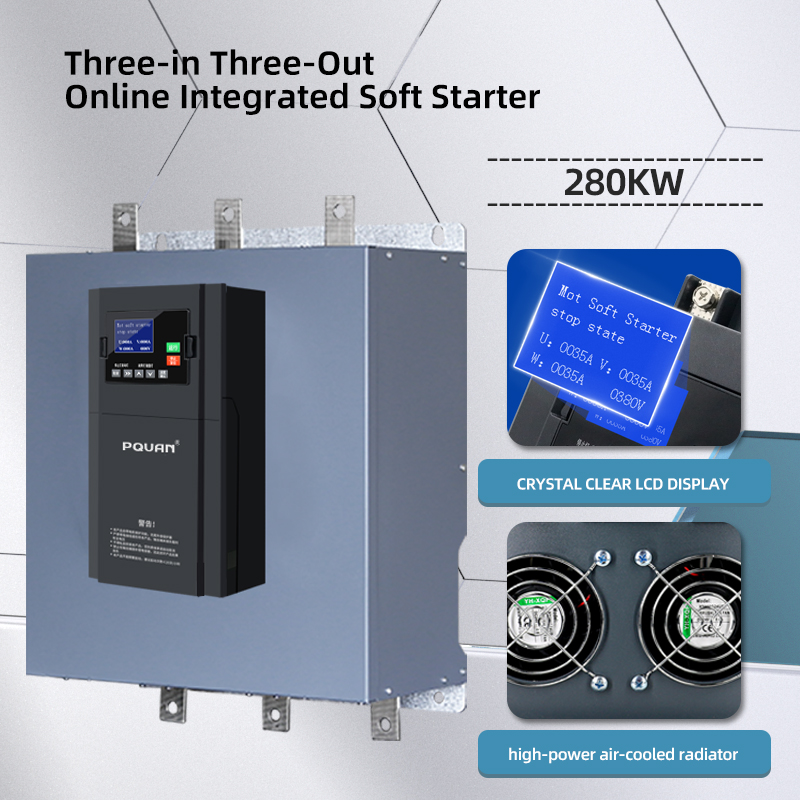
Selecting the right soft starter is one of the most critical decisions in motor management, yet many industrial professionals approach it without a clear framework. A soft starter reduces mechanical stress, extends motor lifespan, and improves operational efficiency by gradually ramping up voltage during startup. Without proper selection, you risk equipment failure, production downtime, and unnecessary maintenance costs. This guide walks you through the essential criteria and practical steps to choose a soft starter that truly matches your motor's requirements and operational environment.
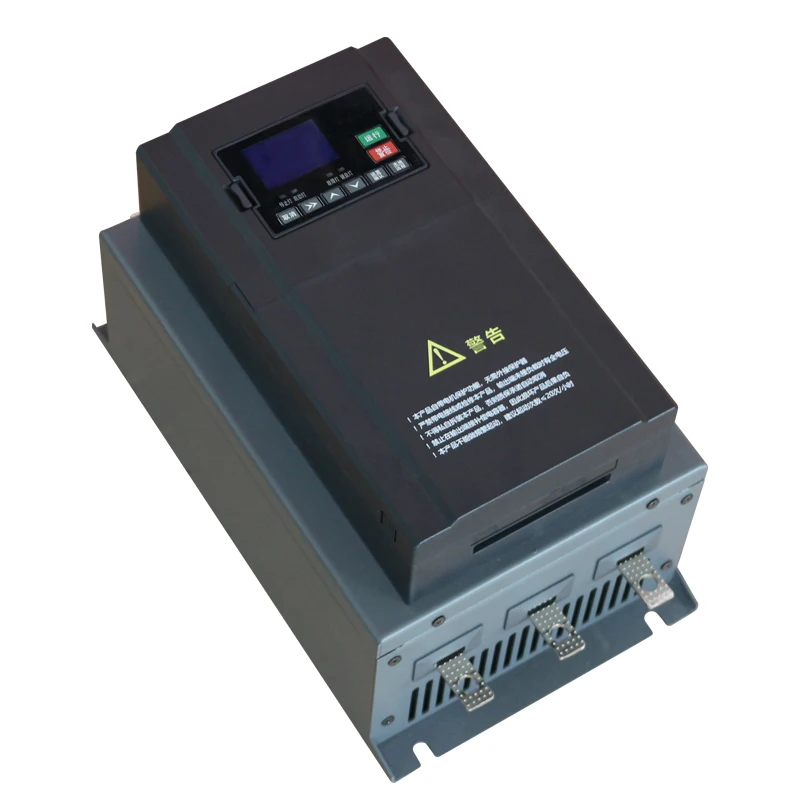
The process of choosing a soft starter requires understanding your motor's specifications, load characteristics, and environmental conditions. A properly selected soft starter delivers smoother acceleration, reduces inrush current, and protects both electrical infrastructure and connected equipment. Whether you manage a small workshop or a large industrial facility, the foundational principles remain the same: match the soft starter rating to your motor, consider your application's demands, and ensure the unit fits your installation environment.
Understanding Motor Specifications and Load Requirements
Identifying Your Motor's Power Rating and Voltage
The first step in choosing a soft starter involves accurately identifying your motor's power rating, typically measured in kilowatts or horsepower, and its operating voltage. These specifications directly determine which soft starter models are compatible with your system. A soft starter must be rated for the same voltage as your motor, whether single-phase or three-phase, and its current capacity must meet or exceed your motor's full-load amperage. Mismatching the soft starter voltage creates safety hazards and voids warranties, making this verification non-negotiable before any purchase decision.
Motor nameplate data provides essential information: locate the power rating (kW or hp), voltage classification (single-phase 240V or three-phase 380V, 400V, 480V), and full-load current (FLA) in amperes. When choosing a soft starter, always cross-reference these specifications against the soft starter's technical datasheet. For example, if your motor is rated at 55kW and three-phase 380V operation, you need a soft starter designed specifically for those parameters. Oversizing the soft starter adds unnecessary cost, while undersizing risks thermal shutdown and motor damage during operation.
Evaluating Load Type and Starting Characteristics
Different applications impose different demands on a soft starter, making load evaluation essential when choosing one. Soft starters perform optimally across various load categories: fans and blowers with low starting torque, pumps requiring smooth ramp-up without shock, conveyor systems needing gradual acceleration, and compressors demanding controlled torque delivery. Understanding your specific application helps determine the acceleration time and ramp profile your soft starter must support. A soft starter configured for a fan load will not work effectively for a high-inertia conveyor, and vice versa.
When choosing a soft starter, also consider peak torque requirements and duty cycle frequency. Heavy-duty applications running continuous starts throughout the day need a soft starter with robust thermal management and longer cooling intervals. Light-duty or intermittent applications can function with smaller, more compact soft starter units. Evaluating load inertia, friction losses, and acceleration pressure helps you select a soft starter that delivers appropriate torque control without overshooting or underperforming during the critical startup phase.
Key Technical Features and Control Options
Soft Starter Ramp Profiles and Acceleration Control
A quality soft starter offers multiple ramp profiles and adjustable acceleration times, features that directly impact how well it suits your application. The ramp profile determines how voltage increases from zero to full operating level, with options like linear ramps, S-curve ramps, or multi-step profiles. When choosing a soft starter, understanding these options allows you to match acceleration curves to your load's mechanical characteristics. An S-curve soft starter provides gentler initial torque delivery, reducing mechanical shock on gearboxes and pumps, while a linear ramp suits simpler fan applications requiring faster startup.
Acceleration time adjustment is another critical feature when choosing a soft starter. Most soft starters allow programmable acceleration windows ranging from 5 to 60 seconds or longer, enabling precise timing for your specific load. Shorter acceleration times reduce energy consumption during startup, while longer times minimize electrical stress and mechanical wear. The ability to fine-tune ramp profiles and timing through commissioning ensures your soft starter delivers optimal performance throughout its service life, reducing both electrical and mechanical strain on your motor system.
Communication Protocols and Monitoring Capabilities
Modern soft starter technology increasingly includes communication interfaces such as RS485, Modbus, or industrial Ethernet protocols. When choosing a soft starter for networked facilities, communication capability becomes valuable for integration with SCADA systems, PLC controllers, or remote monitoring platforms. A soft starter with built-in communication reduces wiring complexity, enables real-time status reporting, and facilitates predictive maintenance strategies. These features allow you to monitor motor health, track power consumption, and identify potential issues before they escalate into costly failures.
Selection of a soft starter with comprehensive monitoring capabilities provides visibility into starting current, acceleration trends, and fault conditions. Many modern soft starter units display real-time diagnostics including motor temperature warnings, thermal overload detection, and phase imbalance alerts. When choosing a soft starter, prioritize models that offer accessible data logging and reporting functions, particularly if your facility requires compliance documentation or detailed performance analytics. This intelligence transforms your soft starter from a simple control device into an active participant in predictive equipment management.
Installation Environment and Physical Considerations
Enclosure Ratings and Environmental Protection
The physical environment where you install your soft starter significantly influences product selection and long-term reliability. Industrial enclosure ratings, designated as IP20, IP54, IP65, or higher, determine how effectively a soft starter resists dust, moisture, and environmental contamination. When choosing a soft starter for a clean indoor facility, IP20 protection typically suffices, but outdoor installations, wet environments, or dusty manufacturing areas demand IP54 or IP65-rated soft starters. Inadequate enclosure protection leads to corrosion, component failure, and unexpected downtime, making environmental matching essential during the selection process.
Temperature considerations also factor into choosing the right soft starter for your location. Soft starters generate internal heat during operation, requiring adequate ventilation and cooling space. Models designed for tropical or high-temperature environments feature enhanced thermal management, while standard models may require installation in climate-controlled equipment rooms. When choosing a soft starter, verify that your installation space provides proper airflow around the unit and maintains ambient temperatures within the manufacturer's specifications. Overheating shortens component life and increases failure risk, so environmental compatibility must inform your final selection decision.
Physical Space and Mounting Configuration
Soft starter physical dimensions, weight, and mounting options must align with your available installation space. Some facilities operate with limited cabinet space, making compact soft starter designs preferable to full-size units. When choosing a soft starter, consider whether you need panel-mount configuration with front-facing controls or compact DIN-rail mounted designs suitable for cramped equipment enclosures. Improper spatial planning forces costly retrofitting or installation delays, so measuring available space and verifying soft starter dimensions before purchase prevents integration problems.
Terminal connectivity and wiring requirements also influence the soft starter selection process. Ensure your soft starter features clearly labeled input and output terminals sized appropriately for your motor's power cables. When choosing a soft starter, verify that power cable gauges, control signal connections, and grounding provisions match your facility's electrical infrastructure. Undersized terminals create connection hot spots and fire hazards, while oversized terminals waste space and complicate installation, so careful matching of electrical specifications prevents operational and safety issues throughout the soft starter's service life.
Safety Features and Compliance Standards
A robust soft starter includes comprehensive safety features protecting personnel, equipment, and electrical infrastructure. Thermal overload protection prevents motor damage from sustained overcurrent, while electronic phase-loss detection stops operation if power supply becomes imbalanced. When choosing a soft starter, verify that the unit includes soft starter bypass contactor options, allowing the motor to run directly on line if the soft starter fails, ensuring production continuity. Emergency stop functionality and manual override capabilities are essential safety elements that allow operators to halt motor operation instantaneously during hazardous situations.
Compliance with international electrical standards affects soft starter selection, particularly in regulated industries or multinational operations. Look for soft starter certifications such as CE marking for European Union compliance, UL certification for North American installations, or industry-specific standards relevant to your sector. When choosing a soft starter, confirm that it meets voltage transient withstand capabilities, harmonic distortion limits, and electromagnetic compatibility (EMC) requirements specified in IEC or equivalent standards. Compliance verification protects your facility from regulatory penalties while ensuring the soft starter integrates safely into your existing electrical system.
FAQ
What size soft starter do I need for my motor?
The soft starter size must match your motor's full-load amperage and voltage rating. Locate these specifications on your motor's nameplate and cross-reference them against the soft starter's technical datasheet. A soft starter rated for the same current capacity as your motor ensures proper operation without thermal stress. If your motor draws 100 amperes at 380 volts three-phase, select a soft starter specifically rated for that current and voltage combination. Oversizing adds unnecessary cost, while undersizing risks damage to both the soft starter and motor during startup.
Can I install a soft starter myself, or do I need a professional electrician?
Soft starter installation involves high-voltage electrical work and requires proper training and certification. Most jurisdictions mandate that licensed electricians perform installations on equipment operating above certain voltage thresholds, typically 50 volts or higher. Improper installation creates electrical hazards, invalidates warranties, and violates electrical codes. While understanding soft starter principles is valuable, the actual installation, power wiring, control signal connections, and commissioning should be performed by qualified professionals. Engaging a licensed electrician ensures your soft starter operates safely and reliably from day one.
How long does a soft starter typically last?
A well-maintained soft starter typically lasts 10 to 15 years in most industrial applications, with some units exceeding 20 years of reliable service. Lifespan depends on environmental conditions, load duty cycle, thermal management, and maintenance practices. Soft starters operating in clean, climate-controlled environments with moderate duty cycles last longer than those exposed to extreme temperatures or continuous heavy-duty operation. Regular inspection of terminal connections, ventilation areas, and control functions extends soft starter life significantly. Planning replacement intervals and maintaining spare units for critical applications helps minimize unexpected production interruptions.