 EN

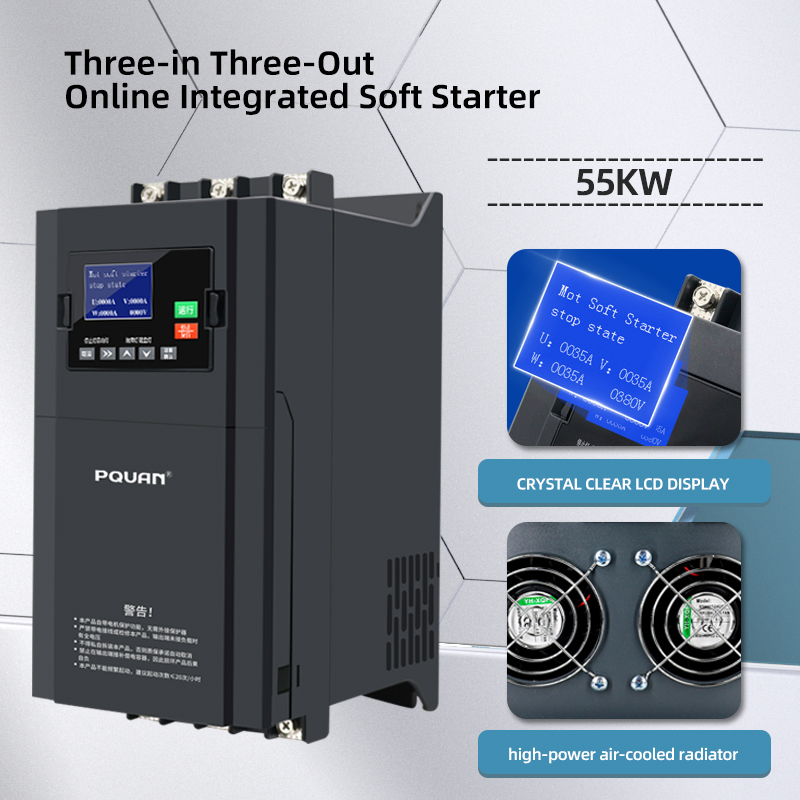
A soft starter is a critical component in industrial motor control systems, designed to reduce inrush current and mechanical stress during motor startup. When a soft starter fails or malfunctions, production can halt, equipment can suffer damage, and operational costs rise quickly. Understanding how to identify and resolve common soft starter issues is essential for maintenance teams and plant managers who rely on smooth motor operation.
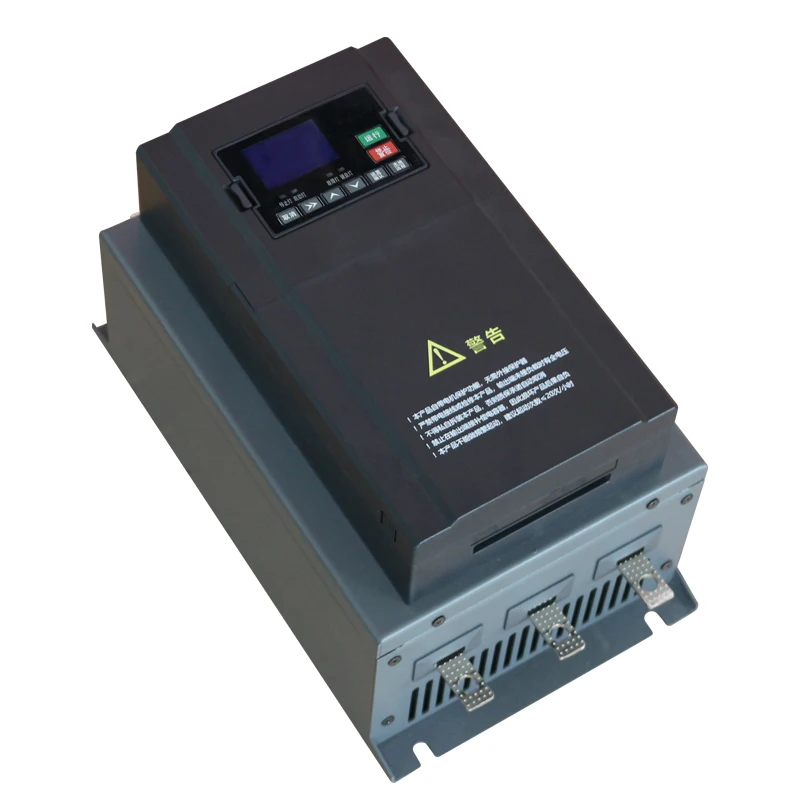
Troubleshooting a soft starter requires systematic diagnosis and knowledge of the underlying electrical and mechanical principles. Most soft starter problems stem from power quality issues, component degradation, configuration errors, or environmental stress. This guide covers the most common soft starter failures, diagnostic techniques, and practical fixes to restore normal operation quickly.
Understanding Soft Starter Failure Modes
Why Soft Starters Fail
A soft starter operates by controlling the voltage supplied to the motor during acceleration, gradually ramping up from zero to full voltage. This process places significant electrical and thermal stress on the internal semiconductor components. Over time, a soft starter can experience component fatigue, particularly in the thyristor banks or power modules. Additionally, inadequate cooling, excessive ambient temperature, or poor ventilation around the soft starter can accelerate failure. Dust accumulation and humidity also contribute to component degradation and eventual soft starter breakdown.
Power quality problems represent another major cause of soft starter failures. Voltage spikes, harmonic distortion, or unbalanced three-phase power can damage the control circuits within a soft starter. When the incoming power supply exhibits poor quality, the soft starter's protection mechanisms may trigger, causing nuisance shutdowns or permanent damage. Understanding the root cause of soft starter failure helps maintenance teams prevent recurrence and extend equipment lifespan.
Common Failure Symptoms
The first sign that a soft starter has developed a problem is often erratic motor behavior during startup. The motor may fail to start altogether, start with jerky acceleration, or trip its thermal overload protection repeatedly. Some operators notice audible clicking or buzzing sounds from the soft starter, indicating internal arcing or component stress. Display panels on modern soft starter units may show error codes, fault messages, or loss of communication with downstream controllers.
In some cases, a soft starter may allow the motor to run but deliver incorrect voltage or current ramp profiles, causing the motor to consume excessive current or overheat. When a soft starter exhibits these symptoms, rapid diagnosis becomes essential to minimize downtime and prevent secondary damage to the motor or driven equipment.
Diagnostic Techniques for Soft Starter Issues
Visual Inspection and Thermal Testing
Begin troubleshooting by performing a visual inspection of the soft starter enclosure, connections, and cooling surfaces. Look for charred components, burnt PCB traces, or discoloration indicating thermal stress on a soft starter. Check that all cable connections are tight and free of corrosion, as loose terminals are a frequent source of voltage drop and soft starter malfunction. Using an infrared thermometer, measure the surface temperature of the soft starter power modules during operation; abnormally high temperatures suggest cooling failure or internal component degradation.
Ensure that the soft starter's ventilation openings are clean and unobstructed. Remove any dust, lint, or debris that may restrict airflow around the soft starter's heatsinks. Blocked ventilation reduces cooling efficiency and allows the soft starter's internal components to overheat, triggering protection shutdowns or permanent failure.
Electrical Testing and Fault Code Analysis
Use a multimeter to verify that proper three-phase voltage is present at the soft starter input terminals. Measure each phase-to-neutral and phase-to-phase voltage; significant imbalance suggests an upstream power supply problem, not a soft starter failure. If the incoming power is unbalanced, addressing the power quality issue may resolve the soft starter malfunction without requiring component replacement.
Most modern soft starter units include built-in diagnostics and display panels that show fault codes. Consult the manufacturer's documentation to interpret the specific error message shown by your soft starter. Common codes indicate problems such as overvoltage, undervoltage, phase loss, component overtemperature, or communication loss. Recording the exact fault code displayed by the soft starter provides essential information for targeted troubleshooting and guides decisions about component repair versus replacement.
Practical Solutions and Preventive Maintenance
Common Fixes for Soft Starter Problems
For many soft starter issues, the solution begins with simple corrective actions. Reset the soft starter by removing input power for thirty seconds, then restoring power to perform a soft restart. This clears transient faults and allows the soft starter to reinitialize its control logic. If fault codes persist after a reset, verify that motor load conditions match the soft starter's rated capacity; undersized soft starter units cannot deliver adequate current and trip protection limits frequently.
Loose or corroded electrical connections account for a significant percentage of soft starter failures. Inspect and tighten all terminal connections with appropriate torque wrenches, following the soft starter manufacturer's torque specifications. Corrosion on copper surfaces can be cleaned with a fine wire brush, while heavily oxidized terminals should be replaced. Secure all cable entries with cable glands to prevent moisture and dust from entering the soft starter enclosure.
Long-Term Maintenance and Reliability
Implementing a preventive maintenance schedule dramatically extends soft starter service life and reduces unplanned downtime. Schedule quarterly inspections of the soft starter's external condition, connection integrity, and thermal performance. Clean ventilation grilles and heatsinks monthly, especially in dusty industrial environments. Record baseline temperature readings during normal operation so you can detect abnormal heating patterns early before a soft starter fails.
Install power conditioning equipment, such as surge protectors or harmonic filters, if your facility experiences frequent voltage fluctuations or poor power quality. These additions protect the soft starter from electrical stress and extend its operational life significantly. Document all maintenance activities, error codes, and corrective actions in a maintenance log; this historical record helps identify trends and predict when component replacement becomes necessary. Maintaining an inventory of critical spare parts, including soft starter units matched to your equipment specifications, ensures minimal downtime if a unit requires replacement during urgent situations.
FAQ
What causes a soft starter to stop responding to control signals?
Loss of communication between control systems and a soft starter typically results from damaged communication cables, loose connectors, or control circuit failures within the soft starter. Begin by checking all wired connections and reseating any loose plugs. If communication remains lost, the soft starter's control board likely requires replacement, or a technician must reprogram the soft starter's communication parameters using the manufacturer's commissioning software.
Can I operate equipment if the soft starter display shows a warning code?
Warning codes on a soft starter indicate that conditions exist which may lead to failure but do not yet prevent operation. However, continuing to run with active warning codes risks more serious soft starter damage or complete failure. Investigate the warning message immediately using the manufacturer's fault code reference, address the underlying issue, and clear the fault before resuming normal operation. Operating through soft starter warnings accelerates component wear and increases the likelihood of unplanned emergency shutdowns.
How do I know if a soft starter has reached the end of its service life?
A soft starter has exhausted its service life when repeated faults occur within short intervals despite corrective maintenance, when internal components show visible signs of thermal damage or failure during disassembly, or when replacement costs become lower than continued repair attempts. Most industrial soft starter units operate reliably for 5 to 10 years under normal conditions; if your soft starter exceeds this timeline and requires increasingly frequent repairs, replacement planning becomes economically justified to minimize downtime and safety risks.