 EN
EN

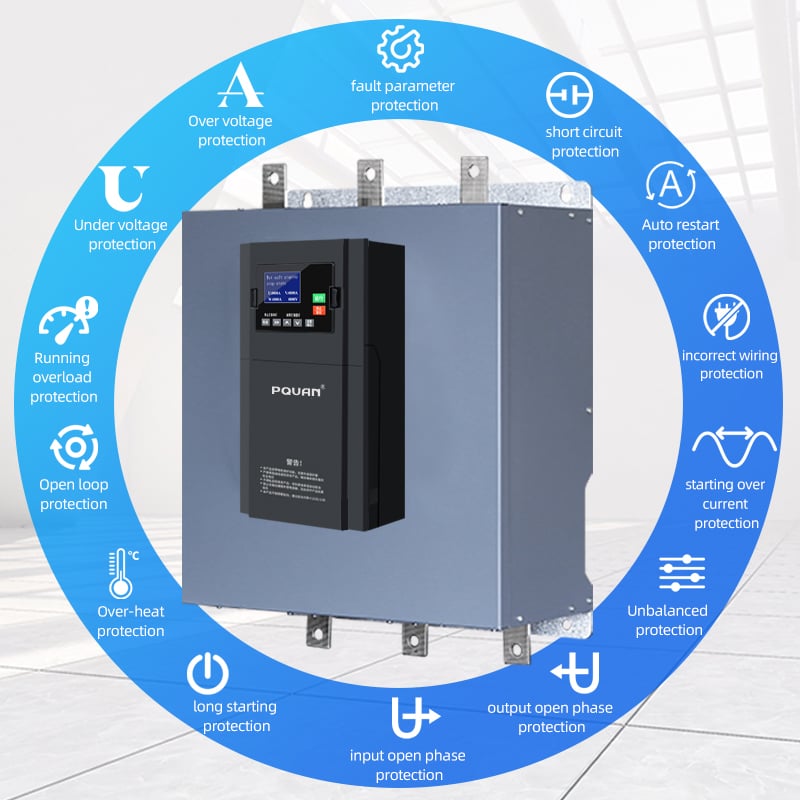
A soft starter is a critical component in modern industrial motor control systems, managing inrush current and reducing mechanical stress during equipment startup. Regular soft starter maintenance is essential to ensure your equipment operates at peak efficiency and avoids unexpected downtime. Neglecting proper care can lead to thermal degradation, component failure, and costly production interruptions that impact your bottom line.
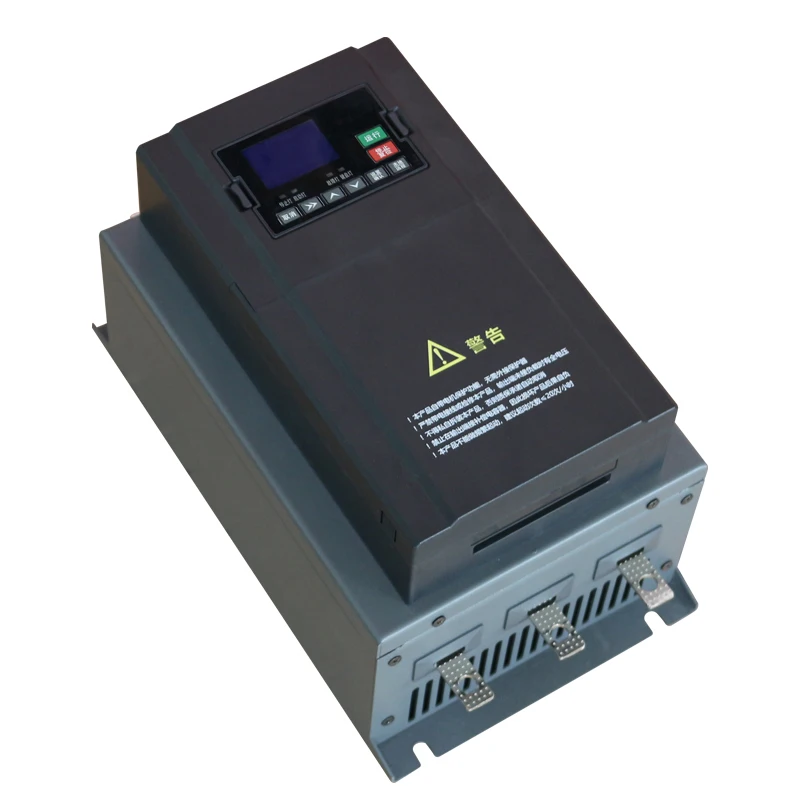
Understanding the fundamentals of soft starter maintenance empowers operators and maintenance teams to identify potential issues before they escalate into serious problems. By implementing a structured maintenance routine, you can significantly extend the operational life of your soft starter devices, improve system reliability, and maintain consistent performance across your industrial facility. This guide covers practical strategies to keep your soft starter running efficiently throughout its lifecycle.
Understanding Core Soft Starter Maintenance Principles
Why Soft Starter Maintenance Matters for Equipment Longevity
Every soft starter operates under demanding conditions, managing rapid electrical switching and thermal loads that accumulate over time. Regular soft starter maintenance prevents heat buildup that degrades internal semiconductors and capacitors, which are the most vulnerable components in any motor control device. When a soft starter lacks proper care, electrolytic capacitors dry out, thermal stress weakens solder connections, and dust accumulation impairs cooling efficiency.
The financial impact of neglecting soft starter maintenance extends beyond simple component replacement costs. Unplanned downtime caused by soft starter failure can halt entire production lines, disrupt supply chains, and damage your reputation with customers. Industrial facilities that implement preventive soft starter maintenance report significantly fewer emergency repairs and longer intervals between major equipment replacements, directly improving operational margins and predictability.
How Environmental Conditions Affect Soft Starter Performance
Environmental factors play a substantial role in determining how well your soft starter performs over time. Temperature fluctuations, humidity, airborne contaminants, and vibration all accelerate the degradation process if your soft starter maintenance routine does not account for these stressors. In harsh industrial environments, dust, moisture, and chemical vapors can compromise electrical connections and corrode circuit board traces within the soft starter enclosure.
Proper ventilation around your soft starter installation is foundational to any effective soft starter maintenance strategy. Enclosed spaces without airflow cause temperature spikes that stress power semiconductors and shorten the life of electrolytic components. By ensuring adequate clearance and airflow around your soft starter, you create an environment where preventive soft starter maintenance yields maximum benefit and component lifespan reaches design specifications.
Essential Soft Starter Maintenance Procedures
Inspection and Cleaning Routines for Soft Starter Systems
Visual inspection forms the foundation of any soft starter maintenance program. Quarterly soft starter maintenance inspections should include checking for visible corrosion, loose connectors, discoloration on circuit boards, and cracks in the enclosure. Dust accumulation inside your soft starter housing reduces cooling effectiveness and creates an insulating barrier that traps heat around high-current components where damage occurs fastest.
Cleaning your soft starter requires careful attention to avoid damaging sensitive electronics. Use compressed air to gently remove dust from heatsinks and internal surfaces during soft starter maintenance cycles. A soft brush can help dislodge stubborn particles, but never use liquid cleaners or solvents without manufacturer guidance, as these can damage insulation and leave conductive residues that cause electrical faults in your soft starter system.
Monitoring Soft Starter Temperature and Electrical Parameters
Temperature monitoring is one of the most predictive aspects of proactive soft starter maintenance. Install temperature sensors on or near the heatsink assembly and establish baseline thermal readings during normal operation of your soft starter. When your soft starter temperature rises above historical norms, it signals that cooling efficiency has degraded, components are aging, or load conditions have changed.
Electrical parameter tracking complements temperature monitoring in a comprehensive soft starter maintenance strategy. Measure voltage drops across main power terminals, test for phase balance, and verify ramp-up times match original specifications. Any deviation indicates that your soft starter's internal semiconductors are becoming less efficient, which soft starter maintenance can address before complete failure occurs and production halts unexpectedly.
Preventive Soft Starter Maintenance Techniques and Best Practices
Connection and Thermal Management in Soft Starter Upkeep
Loose electrical connections generate heat and resistance that accelerates deterioration within your soft starter enclosure. Annual soft starter maintenance should include a complete torque verification of all terminal connections, including input power, motor output, and control signal terminals. Use a calibrated torque wrench to achieve manufacturer specifications, as over-tightening can break studs while under-tightening creates intermittent contact problems that your soft starter systems depend on for reliable operation.
Thermal management extends beyond cleaning and cooling airflow. During soft starter maintenance intervals, verify that heatsink fins are unobstructed and that thermal interface materials between components and mounting surfaces remain intact. Replace thermal pads if they show compression set or hardening, as these materials deteriorate over years of thermal cycling and compromise heat transfer efficiency in your soft starter assembly.
Soft Starter Control Circuitry and Parameter Verification
The control circuitry within your soft starter regulates all switching operations and determines how smoothly motors start and run. During soft starter maintenance, verify that control inputs respond correctly to external signals and that output relay contacts engage and disengage cleanly. A failing soft starter control circuit often shows intermittent response or delayed switching, which indicates that your soft starter needs component-level attention before catastrophic failure interrupts operations.
Parameter programming stored in your soft starter controller should be verified during maintenance activities to ensure settings match operational requirements. Confirm ramp-up times, current limits, and protection thresholds remain appropriate for your connected motor and load profile. If parameters have drifted from original specifications, your soft starter may be operating inefficiently or failing to provide optimal motor protection that prevents secondary damage.
Troubleshooting Common Soft Starter Issues During Maintenance
Identifying Early Warning Signs in Your Soft Starter Equipment
Noise, vibration, or unusual sounds from your soft starter often precede visible failure and should trigger immediate maintenance investigation. Humming or buzzing during operation suggests issues with power semiconductors or control transformers that require component replacement. Clicking sounds typically indicate relay chatter or control circuit faults that your soft starter maintenance routine should systematically diagnose through electrical testing.
Inconsistent motor performance during startup points to soft starter problems that maintenance procedures can confirm. If your motor shows jerking, hesitation, or uneven acceleration, the soft starter may have semiconductor degradation affecting its ability to modulate current smoothly. Regular soft starter maintenance that tracks these performance indicators allows you to schedule component replacement during planned downtime rather than facing emergency repairs that cost significantly more.
Addressing Thermal and Electrical Failures in Soft Starter Systems
Thermal shutdown events during normal operation indicate that your soft starter cooling or load management requires adjustment during maintenance activities. Reduce ambient temperature around the installation, improve ventilation, or verify that connected motors are not drawing excessive current due to mechanical binding or failure. If your soft starter thermal protection trips frequently despite these adjustments, component replacement becomes necessary before permanent damage occurs to internal circuitry.
Electrical faults detected during soft starter maintenance often stem from moisture intrusion, corrosion, or component aging. Insulation resistance testing between phases and ground reveals degradation that your soft starter maintenance team should address through cleaning, drying, or component replacement. Maintaining accurate records of these test results creates a historical database that predicts failure timing and optimizes your soft starter replacement scheduling.
FAQ
How often should I perform soft starter maintenance on my equipment?
Industry best practices recommend performing comprehensive soft starter maintenance inspections at least quarterly in normal industrial environments, with monthly checks in harsh conditions involving high dust, humidity, or temperature extremes. Visual inspections should happen monthly, while detailed electrical testing and parameter verification typically occur semi-annually. If your soft starter operates continuously under heavy load or in demanding conditions, monthly soft starter maintenance becomes necessary to catch emerging problems before they disrupt production.
What are the most common soft starter components that fail and require maintenance attention?
Electrolytic capacitors, power semiconductors (thyristors and triacs), and control relays represent the three most frequently failing soft starter components in industrial facilities. Electrolytic capacitors degrade over time due to thermal stress and humidity exposure, reducing filtering efficiency and causing voltage stability problems in your soft starter. Power semiconductors deteriorate gradually as internal connections weaken from thermal cycling, while relays wear mechanically from millions of switching cycles that your soft starter maintenance must monitor through resistance and contact pressure testing.
Can I extend soft starter lifespan through preventive maintenance, or is replacement inevitable?
Preventive soft starter maintenance can substantially extend component lifespan, often adding 50 percent or more to the expected operational life of well-maintained units compared to equipment that receives minimal care. Proper cooling management, connection maintenance, and thermal monitoring allow soft starter systems to operate reliably for 15 to 20 years in many industrial applications. However, soft starter replacement ultimately becomes unavoidable as semiconductor technology improves and your equipment reaches end-of-life stages, though strategic soft starter maintenance maximizes the return on your initial investment.