 EN
EN

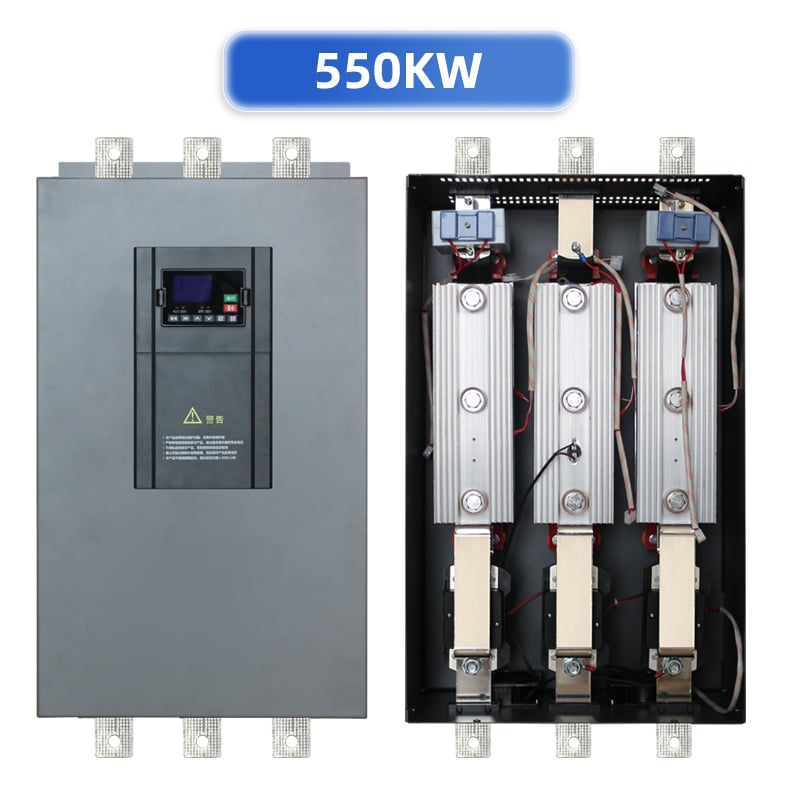
Electric motors are essential assets in industrial operations, yet they face constant mechanical and electrical stress that accelerates wear and shortens operational lifespan. Traditional direct-on-line starting methods impose sudden, intense torque spikes that damage motor windings, bearings, and connected machinery. A soft starter addresses this problem by electronically controlling motor acceleration, dramatically reducing mechanical stress and extending equipment life. Understanding how a soft starter functions and the tangible protection it delivers is critical for any facility seeking to minimize maintenance costs and unplanned downtime.
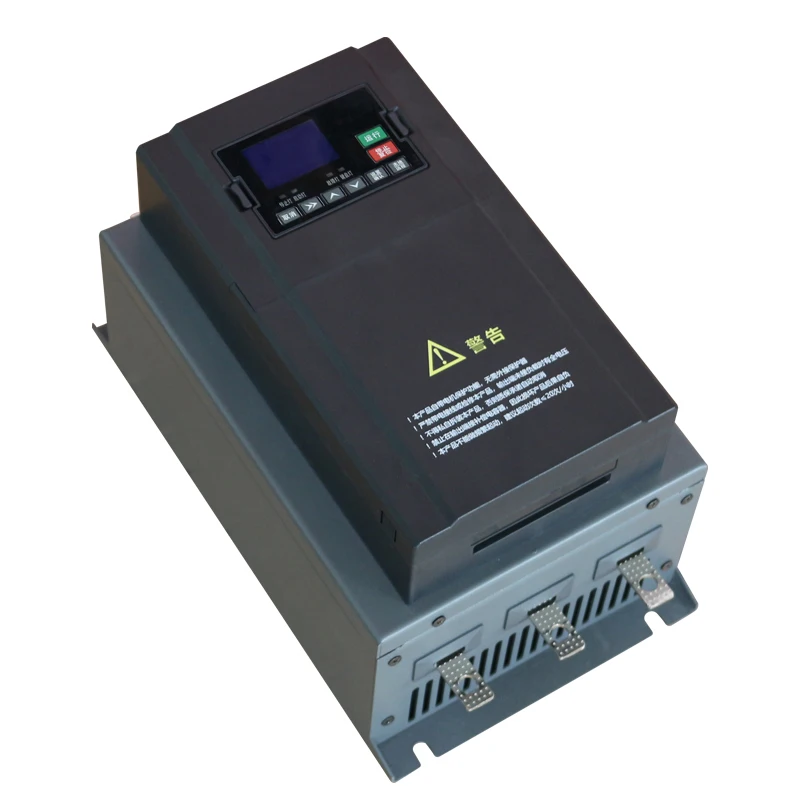
The financial impact of motor failure extends far beyond the cost of replacement units. When motors wear prematurely, facilities experience increased bearing degradation, winding insulation breakdown, and connection point corrosion. These failures cascade into unplanned shutdowns, lost production, emergency repairs, and safety hazards. A soft starter mitigates these risks by implementing controlled voltage and current profiles that ease motors into full-speed operation. This measured acceleration protects not only the motor itself but also the driven loads, gearboxes, pumps, and conveyors that depend on smooth power delivery.
How Soft Starters Control Motor Acceleration
Soft Starter Technology Fundamentals
A soft starter is a solid-state electronic device that uses semiconductor switching to regulate the voltage applied to an electric motor during startup. Unlike traditional mechanical starters that connect full voltage instantly, a soft starter gradually ramps voltage from zero to full magnitude over a controlled time interval. This ramp profile is programmable and optimized for specific motor types, loads, and operational requirements. The soft starter monitors actual motor current, speed, and temperature in real-time, adjusting the voltage curve dynamically to match changing load conditions. This precision control ensures consistent, repeatable startup behavior while preventing the catastrophic inrush currents that damage motors and distort power systems.
Comparison with Traditional Starting Methods
Direct-on-line starting applies full voltage instantaneously, creating inrush currents up to seven times the motor's rated current. This sudden electrical spike generates extreme heat in motor windings and creates a violent torque pulse that shocks the mechanical system. A soft starter reduces inrush current to two to three times rated current, eliminating sudden voltage shocks. The gradual acceleration profile is gentler on bearings, couplings, and connected machinery, reducing mechanical fatigue significantly. For facilities running continuous processes, the difference in startup smoothness between a soft starter and traditional methods translates directly into reduced wear rates and longer equipment intervals.
Motor Protection and Extended Equipment Lifespan
Reduced Mechanical Wear Through Controlled Torque
Motor wear is fundamentally a function of stress cycles applied to mechanical components. Each startup event imposes temporary stress on bearings, shaft seals, and rotor assemblies. A soft starter dramatically reduces this stress by limiting torque rise during acceleration. Because a soft starter controls voltage ramps with precision, the torque delivery is smooth and predictable rather than violent and sudden. Bearings experience lower peak loading, shaft seals remain better protected, and rotor dynamics stabilize more quickly. Over a motor's lifetime, the cumulative effect of thousands of gentler startups can double or triple bearing life and significantly extend insulation reliability.
Electrical System Protection and Efficiency Gains
High inrush currents from traditional starting methods stress electrical infrastructure including transformers, switchgear, and distribution wiring. These current spikes generate heat losses and voltage dips that affect other equipment on the same circuit. A soft starter reduces inrush current and peak electrical demand, lowering system stress and improving power quality. Many facilities report reduced energy losses during startup cycles when using a soft starter, particularly when starting large motors or multiple motors sequentially. Beyond equipment protection, the soft starter's current limiting feature helps facilities stay within utility power demand limits, avoiding demand charges and penalty fees that utilities impose for excessive peak current draw.
Real-World Applications and Implementation Considerations
Industries and Applications Where Soft Starters Excel
Soft starters deliver maximum wear reduction in applications involving heavy loads, frequent startups, or continuous operation. Pump stations benefit significantly because a soft starter prevents water hammer effects and reduces pipe stress when centrifugal pumps reach operating speed. Conveyor systems experience longer belt life and reduced pulley bearing wear when a soft starter ensures smooth load engagement. Compressor motors benefit from reduced valve stress and improved lubricant distribution during controlled acceleration. Mining equipment, material handling systems, and industrial fans all show measurable improvement in component lifespan when protected by a soft starter. Facilities with energy-intensive operations particularly appreciate the soft starter's ability to limit inrush current, reducing both electrical stress and utility demand charges.
Selection and Deployment Best Practices
Choosing the right soft starter requires matching the device rating to motor horsepower and load type. A soft starter sized correctly ensures optimal torque control during acceleration without limiting motor performance under full-load conditions. Installation considerations include enclosure mounting, cooling requirements, and control signal integration with facility automation systems. Many modern soft starters offer remote monitoring capabilities, allowing maintenance teams to track startup performance and predict bearing degradation before failure occurs. When deploying a soft starter, configuring acceleration ramps for specific load types ensures maximum protection; gentle ramps suit fan loads, while firmer profiles handle pumps and compressors. Facility engineers should validate that soft starter parameters align with both motor specifications and driven equipment characteristics to maximize wear reduction benefits.
FAQ
Why should I invest in a soft starter if my current motors are running reliably?
Current reliability does not guarantee future longevity, especially as motors age and wear accumulates. A soft starter investment pays dividends by extending motor lifespan by 30 to 50 percent, reducing bearing replacement frequency, minimizing unplanned downtime, and lowering overall maintenance costs. For facilities operating critical equipment or experiencing frequent startup cycles, a soft starter provides insurance against premature failure and protects against the cascading costs of unexpected breakdowns. The reduced electrical stress also benefits the entire facility's power infrastructure, preventing voltage dips and improving efficiency across connected equipment.
Can a soft starter be retrofitted to existing motors, or must it be installed during new motor deployment?
A soft starter can be retrofitted to existing motors, making it an accessible upgrade for facilities seeking to extend current equipment life without replacing motors prematurely. Retrofit installation requires stopping the affected motor, disconnecting the traditional starter, and connecting the soft starter in its place. Control wiring may require minor modifications, but most retrofit projects complete within a few hours of downtime. Many facilities choose this approach because retrofitting a soft starter costs significantly less than replacing motors entirely while delivering similar wear reduction benefits. Existing motors benefit immediately from the soft starter's protective startup profile.
How does a soft starter differ from a variable frequency drive in protecting motors?
A soft starter and a variable frequency drive both protect motors during acceleration, but they serve different operational needs. A soft starter limits inrush current and controls startup torque, protecting motors during the acceleration phase only; once the motor reaches full speed, the soft starter disconnects and the motor runs at constant full speed. A variable frequency drive, by contrast, controls motor speed continuously throughout operation, enabling energy savings and load matching but at higher cost and complexity. For facilities needing only startup protection and full-speed operation, a soft starter delivers excellent wear reduction at lower cost than a variable frequency drive. For applications requiring variable speed operation or energy optimization, a variable frequency drive provides broader benefits beyond startup protection.