 EN
EN

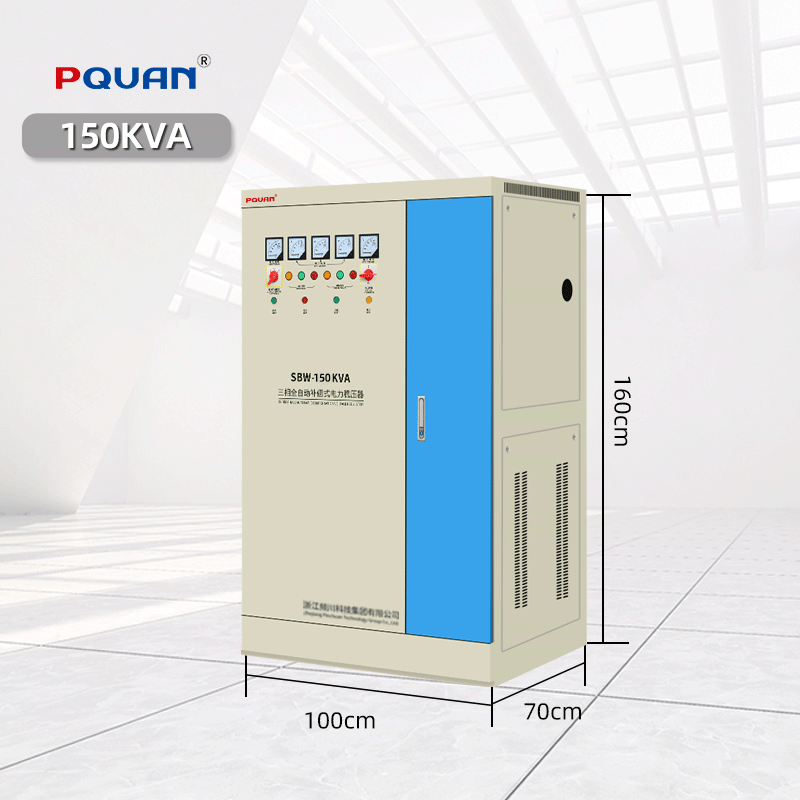
Selecting the appropriate voltage stabilizer for industrial applications requires careful consideration of multiple technical and operational factors that directly impact production efficiency and equipment longevity. Factory electrical systems face constant voltage fluctuations due to grid instability, load variations, and power quality issues that can cause significant damage to sensitive manufacturing equipment. Understanding the specific requirements of your industrial operation and matching them with the right voltage stabilizer specifications ensures optimal performance and protects valuable machinery investments.
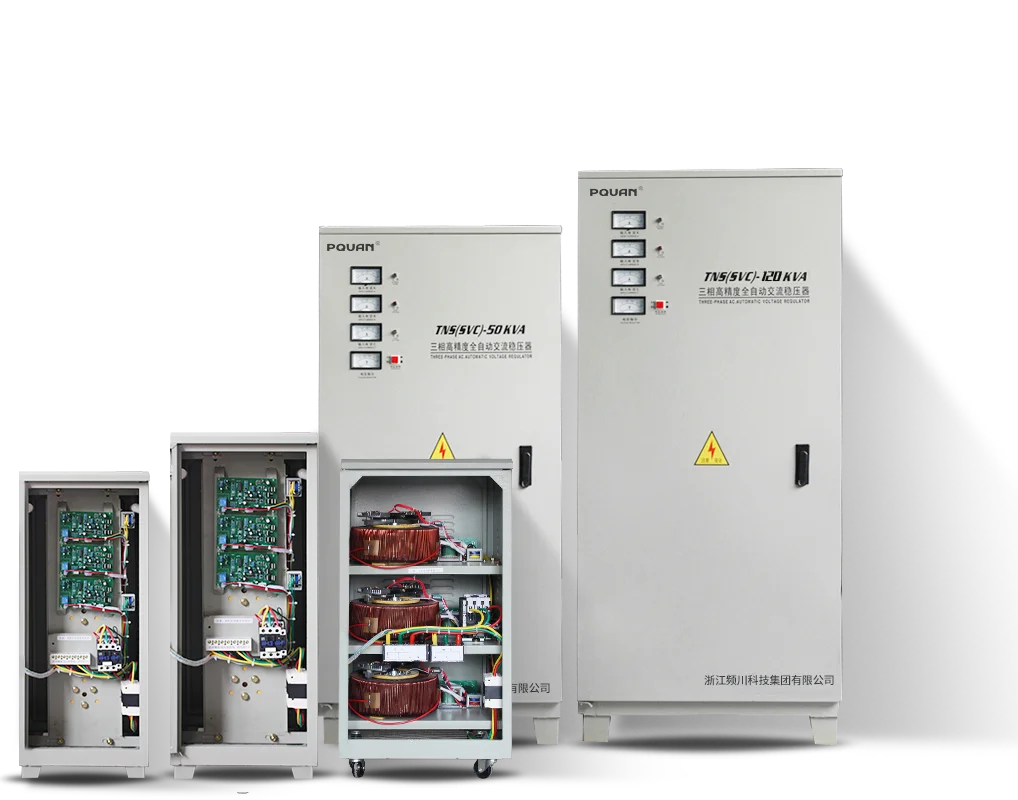
The complexity of modern factory electrical systems demands a systematic approach to voltage stabilizer selection that goes beyond simple voltage rating considerations. Industrial environments present unique challenges including harmonic distortion, transient surges, and varying load patterns that require specialized voltage stabilization solutions. A properly chosen voltage stabilizer not only maintains consistent voltage levels but also enhances overall power quality, reduces energy consumption, and minimizes unexpected downtime that can cost thousands of dollars per hour in lost production.
Understanding Factory Electrical System Requirements
Load Analysis and Power Consumption Patterns
Conducting a comprehensive load analysis forms the foundation of effective voltage stabilizer selection for any industrial facility. Factory electrical systems typically operate multiple types of equipment simultaneously, including motors, drives, lighting systems, and control circuits, each with distinct power consumption characteristics. The voltage stabilizer must accommodate both steady-state loads and dynamic load changes that occur during equipment startup, shutdown, and operational cycling.
Peak demand calculations should include safety margins to account for future expansion and temporary load increases during maintenance or emergency operations. Industrial voltage stabilizers must handle inrush currents from large motors and transformers, which can be several times the normal operating current. Understanding these load patterns helps determine the appropriate capacity and response time requirements for the voltage stabilizer system.
Voltage Fluctuation Assessment
Factory locations often experience significant voltage variations due to grid instability, seasonal demand changes, and local electrical infrastructure limitations. A thorough voltage fluctuation assessment involves monitoring voltage levels over extended periods to identify patterns of deviation from nominal values. This data reveals the correction range required from the voltage stabilizer and helps determine whether single-phase or three-phase stabilization is necessary.
Industrial voltage stabilizers must compensate for both overvoltage and undervoltage conditions while maintaining precise output regulation. The assessment should document frequency and magnitude of voltage swings, as well as any correlation with production schedules or external factors. This information directly influences the selection of voltage stabilizer topology and control characteristics needed to maintain stable operation.
Power Quality Considerations
Beyond voltage regulation, modern factory electrical systems require attention to overall power quality parameters that affect equipment performance and reliability. Harmonic distortion, power factor variations, and electromagnetic interference can significantly impact sensitive electronic equipment and automated control systems. The selected voltage stabilizer should address these power quality issues while providing voltage regulation functionality.
Industrial environments often generate harmonics through variable frequency drives, switching power supplies, and electronic motor controls that require filtering capabilities in addition to voltage stabilization. The voltage stabilizer selection process must consider the total harmonic distortion levels present in the system and specify appropriate mitigation measures to ensure compliance with power quality standards.
Technical Specifications and Performance Parameters
Capacity and Rating Calculations
Determining the correct capacity rating for an industrial voltage stabilizer requires careful calculation of total connected load plus appropriate safety factors for future growth and operational flexibility. The voltage stabilizer capacity must exceed the maximum anticipated load by at least 20-30% to ensure stable operation and accommodate load transients. This sizing methodology prevents overloading conditions that could compromise voltage regulation performance or damage the stabilizer equipment.
Three-phase industrial systems require balanced loading considerations and may need individual phase monitoring and control capabilities. The voltage stabilizer rating should account for phase imbalances that commonly occur in factory electrical systems due to single-phase loads and equipment distribution variations. Proper capacity selection ensures each phase receives adequate regulation even under unbalanced loading conditions.
Response Time and Accuracy Requirements
Industrial processes often require rapid voltage correction to prevent equipment malfunction or production disruptions during voltage disturbances. The response time specification for a voltage stabilizer defines how quickly the system can detect and correct voltage deviations, typically measured in milliseconds for electronic controllers or seconds for mechanical systems. Critical manufacturing processes may require sub-cycle response times to maintain continuous operation.
Voltage regulation accuracy determines how closely the output voltage matches the desired setpoint under varying load and input conditions. Industrial voltage stabilizers should maintain output voltage within ±1% to ±2% of nominal value for most applications, though precision equipment may require tighter tolerance levels. The accuracy specification must be maintained across the full load range and input voltage variation band specified for the installation.
Environmental and Installation Factors
Factory environments present challenging operating conditions that directly impact voltage stabilizer selection and performance requirements. Temperature extremes, humidity, dust, vibration, and corrosive atmospheres must be considered when specifying enclosure ratings and component materials. Industrial voltage stabilizers require appropriate protection ratings such as IP54 or higher for harsh environments and may need specialized cooling systems for high-temperature applications.
Installation space constraints and accessibility requirements influence the physical configuration and mounting options for the voltage stabilizer system. Wall-mounted, floor-standing, or rack-mounted configurations each offer different advantages depending on available space and maintenance access needs. The selected voltage stabilizer should integrate seamlessly with existing electrical infrastructure while providing adequate clearance for heat dissipation and service access.
Application-Specific Selection Criteria
Manufacturing Process Requirements
Different manufacturing processes impose varying demands on voltage stability and power quality that directly influence voltage stabilizer selection criteria. Precision machining operations require extremely stable voltage to maintain dimensional accuracy, while heavy industrial processes may tolerate greater voltage variations but need higher capacity systems. Understanding the specific voltage sensitivity of production equipment helps determine appropriate regulation tolerance and response characteristics.
Automated manufacturing systems with programmable logic controllers, servo drives, and robotic equipment typically require clean, stable power to maintain precise control and prevent operational errors. The voltage stabilizer must provide consistent voltage regulation while minimizing electrical noise and disturbances that could interfere with control system operation. Process-critical applications may justify redundant voltage stabilizer configurations to ensure continuous operation during maintenance or equipment failures.
Equipment Protection Priorities
Industrial electrical equipment represents significant capital investment that requires protection from voltage-related damage and premature wear. Motors, transformers, electronic drives, and control systems each have specific voltage tolerance ranges beyond which damage or malfunction may occur. The voltage stabilizer selection must prioritize protection of the most critical and expensive equipment while providing adequate regulation for all connected loads.
Voltage-sensitive equipment such as variable frequency drives, uninterruptible power supplies, and computerized control systems may require dedicated voltage stabilizer circuits or enhanced regulation accuracy. The protection strategy should consider both immediate damage prevention and long-term reliability improvement through consistent voltage supply. Proper voltage stabilizer selection can significantly extend equipment life and reduce maintenance costs over the operational lifetime of the facility.
Operational Flexibility and Future Expansion
Industrial facilities typically undergo expansion and modernization over their operational lifetime, requiring voltage stabilizer systems that can accommodate changing electrical demands. Modular voltage stabilizer designs allow capacity increases through additional units while maintaining system redundancy and operational flexibility. The initial selection should consider anticipated growth patterns and provide expansion capability without requiring complete system replacement.
Operational flexibility requirements may include the ability to reconfigure voltage stabilizer outputs for different voltage levels or load distributions as manufacturing processes change. Some industrial applications benefit from voltage stabilizer systems with adjustable output voltage settings to optimize equipment performance or compensate for load variations throughout production cycles. This flexibility enables process optimization while maintaining equipment protection and power quality standards.
Economic Evaluation and Return on Investment
Initial Investment Considerations
The economic justification for voltage stabilizer installation in industrial facilities typically centers on equipment protection value and operational reliability improvement. Initial investment costs include the voltage stabilizer equipment, installation expenses, and any required electrical system modifications to accommodate the new equipment. These upfront costs must be evaluated against the potential savings from reduced equipment maintenance, extended equipment life, and improved production reliability.
Cost comparison should include different voltage stabilizer technologies and configurations to identify the most economical solution that meets performance requirements. Electronic voltage stabilizers may have higher initial costs but offer superior performance and lower maintenance requirements compared to mechanical systems. The economic analysis should consider total cost of ownership including energy efficiency, maintenance costs, and expected service life when comparing alternatives.
Operational Cost Savings
Voltage stabilizers can provide significant operational cost savings through improved energy efficiency and reduced equipment maintenance requirements. Consistent voltage supply optimizes motor efficiency and reduces energy consumption, particularly important for facilities with large motor loads operating continuously. The voltage stabilizer selection should consider energy efficiency ratings and power loss characteristics that directly impact operating costs over the system lifetime.
Maintenance cost reduction represents another significant economic benefit from proper voltage stabilizer installation in industrial applications. Equipment operating under stable voltage conditions experiences less stress and wear, resulting in extended maintenance intervals and reduced component replacement costs. The economic model should quantify these savings based on historical maintenance data and equipment manufacturer recommendations for voltage-related maintenance requirements.
Risk Mitigation and Insurance Benefits
Industrial voltage stabilizers provide insurance against costly production downtime and equipment damage caused by voltage disturbances and power quality issues. The risk mitigation value depends on the criticality of manufacturing processes and the cost of unplanned shutdowns or equipment failures. Some insurance providers offer premium reductions for facilities with comprehensive power protection systems including voltage stabilizers.
Risk assessment should consider both direct costs of equipment replacement and indirect costs of production delays, quality issues, and customer impact from voltage-related problems. The voltage stabilizer investment provides measurable protection against these risks while improving overall operational reliability. This risk reduction value often justifies voltage stabilizer installation even for applications with moderate voltage variations that might not immediately threaten equipment operation.
FAQ
What size voltage stabilizer do I need for a 100kW factory load?
For a 100kW factory load, you typically need a voltage stabilizer rated at 120-130kVA to provide adequate capacity margin for load variations and future expansion. The exact sizing depends on load power factor, starting currents, and safety margin requirements. Three-phase systems require careful consideration of phase balance and may need individual phase monitoring capabilities.
How do I determine if my factory needs single-phase or three-phase voltage stabilization?
Factory electrical systems with loads exceeding 10kW typically require three-phase voltage stabilizers to handle motor loads and production equipment efficiently. Single-phase stabilizers are suitable only for small workshops or specific equipment protection applications. The decision depends on your electrical service configuration, load distribution, and equipment voltage requirements.
Can a voltage stabilizer improve power factor in my industrial facility?
Standard voltage stabilizers provide voltage regulation but do not directly improve power factor correction. However, maintaining consistent voltage helps motor efficiency and can indirectly support power factor improvement. For comprehensive power quality improvement, consider integrated solutions that combine voltage stabilization with power factor correction and harmonic filtering capabilities.
What maintenance is required for industrial voltage stabilizers?
Industrial voltage stabilizers require periodic inspection of connections, cooling systems, and control components typically every 6-12 months depending on operating conditions. Electronic stabilizers need less maintenance than mechanical systems but require regular calibration checks and software updates. Preventive maintenance programs should include thermal imaging, connection torque verification, and performance testing to ensure continued reliability.