 EN
EN

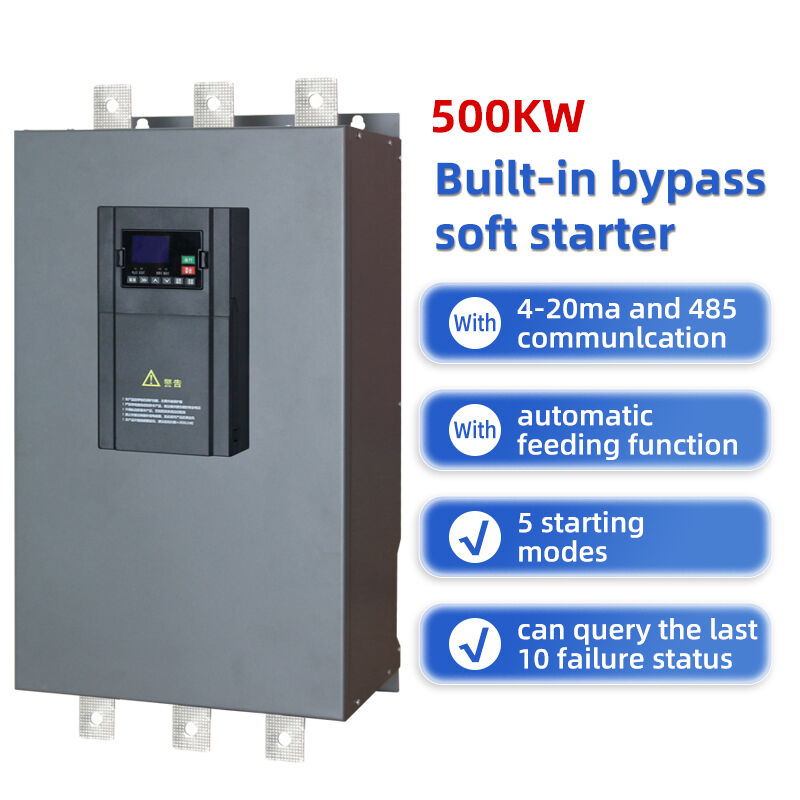
Selecting the appropriate variable frequency drive for your motor system is a critical decision that directly impacts operational efficiency, energy consumption, and long-term equipment reliability. The wrong choice can lead to poor motor performance, excessive energy costs, and premature component failure, while the right variable frequency drive selection ensures optimal speed control, reduced maintenance requirements, and significant energy savings across industrial applications.
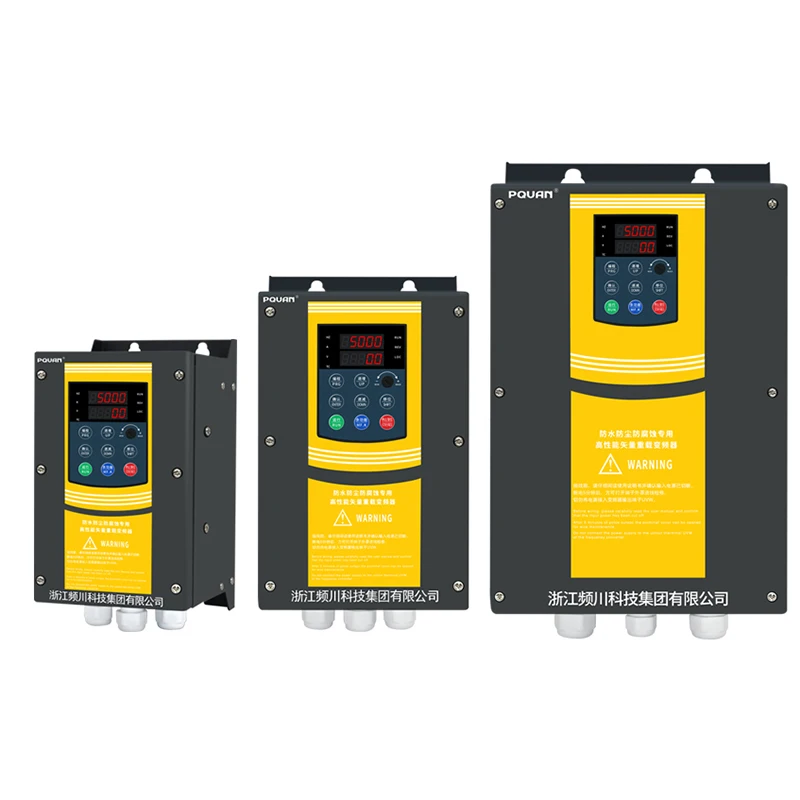
The process of choosing a variable frequency drive involves careful evaluation of multiple technical parameters, application requirements, and environmental considerations. Understanding motor characteristics, load profiles, power specifications, and control requirements forms the foundation for making an informed decision that delivers both immediate performance benefits and long-term operational value in your specific industrial environment.
Understanding Motor and Load Requirements
Motor Power Rating and Current Analysis
The first critical step in variable frequency drive selection involves accurately determining your motor's power rating and current characteristics. Your variable frequency drive must be properly sized to handle the motor's full load current plus any potential overload conditions that may occur during operation. Standard practice requires selecting a drive with a current rating at least 10-15% higher than the motor's full load amperage to accommodate startup transients and operational variations.
Motor nameplate data provides essential information including voltage rating, frequency, power factor, and efficiency ratings that directly influence drive selection. Three-phase motors typically operate at standard voltages such as 208V, 230V, 460V, or 575V, and your variable frequency drive must match these voltage specifications while providing appropriate current capacity for reliable operation under all expected load conditions.
Current analysis extends beyond steady-state operation to include startup current requirements, which can be significantly higher than running current for certain motor types. Permanent magnet motors, for example, may require drives with higher current capacity during startup compared to standard induction motors, making accurate current analysis essential for proper drive sizing and selection.
Load Profile and Torque Characteristics
Different applications present varying load profiles that significantly impact variable frequency drive selection criteria. Constant torque loads, such as conveyors and positive displacement pumps, require drives capable of maintaining full torque output across the entire speed range. Variable torque applications, including centrifugal fans and pumps, allow for drives optimized for quadratic torque profiles that reduce power requirements at lower speeds.
High-starting torque applications demand variable frequency drive systems with robust overload capabilities and advanced control algorithms. Applications involving frequent starts, stops, or rapid speed changes require drives with enhanced dynamic response characteristics and sufficient thermal capacity to handle repetitive duty cycles without derating or protection system activation.
Load inertia calculations help determine the required drive performance for acceleration and deceleration cycles. High inertia loads may require drives with increased current capacity during acceleration phases, while applications with rapid deceleration needs might benefit from drives equipped with dynamic braking capabilities or regenerative power handling features.
Power and Electrical Specifications
Voltage and Frequency Compatibility
Matching voltage specifications between your motor and variable frequency drive ensures optimal performance and prevents equipment damage. Standard industrial voltage levels include 230V single-phase for smaller applications, 208-230V three-phase for light industrial use, and 460-575V three-phase for heavy industrial applications. The drive's input voltage range must accommodate your facility's power supply variations while maintaining stable output performance.
Frequency considerations involve both input power frequency and desired output frequency range. Most variable frequency drive systems accept standard 50Hz or 60Hz input power while providing adjustable output frequencies typically ranging from 0.1Hz to 400Hz or higher, depending on application requirements and motor design limitations.
Power quality factors, including voltage harmonics, power factor correction, and supply impedance, influence drive selection and may require additional filtering or power conditioning equipment. Some variable frequency drive models include built-in power factor correction and harmonic filtering to minimize electrical system impact and improve overall power quality.
Power Rating and Efficiency Considerations
Proper power rating selection for your variable frequency drive involves matching the drive's continuous power output to your motor's requirements while considering application duty cycles and ambient operating conditions. Undersized drives may experience frequent overload trips or reduced lifespan, while oversized drives represent unnecessary capital expense and may operate less efficiently at light loads.
Efficiency ratings for modern variable frequency drive systems typically range from 95% to 98%, with higher efficiency models providing greater energy savings over the equipment's operational lifetime. Energy-efficient drives often incorporate advanced switching technologies, optimized control algorithms, and reduced internal losses that translate to lower operating costs and reduced cooling requirements.
Derating factors must be considered for installations involving elevated ambient temperatures, reduced airflow, or high-altitude operation. Most variable frequency drive manufacturers provide derating charts that specify reduced power output capabilities under adverse environmental conditions, ensuring reliable operation while preventing thermal damage or premature component failure.
Environmental and Installation Factors
Enclosure Protection and Environmental Ratings
Environmental protection requirements significantly influence variable frequency drive selection, particularly regarding enclosure ratings and protection against dust, moisture, and corrosive atmospheres. NEMA 1 enclosures provide basic protection for indoor applications, while NEMA 4X rated drives offer enhanced protection against wash-down conditions and corrosive environments common in food processing and chemical industries.
Temperature considerations include both ambient operating temperature ranges and internal heat generation characteristics. Standard variable frequency drive designs typically operate effectively in ambient temperatures up to 40°C (104°F), with reduced power output capabilities at higher temperatures. Applications in extreme temperature environments may require drives with enhanced cooling systems or specialized environmental protection features.
Altitude considerations affect drive performance due to reduced air density and cooling effectiveness at elevations above 1000 meters. High-altitude installations may require variable frequency drive derating or enhanced cooling provisions to maintain specified performance levels and ensure reliable long-term operation in reduced atmospheric pressure conditions.
Space Requirements and Mounting Considerations
Physical space constraints often influence variable frequency drive selection, particularly in retrofit applications or space-limited installations. Compact drive designs offer reduced footprint while maintaining full functionality, though they may require enhanced cooling provisions or have limited expansion capabilities compared to larger form factor alternatives.
Mounting orientation affects heat dissipation and may impact drive performance or require derating in certain configurations. Wall-mounted installations typically provide optimal cooling airflow, while floor-standing enclosures may offer better accessibility for maintenance but require adequate clearance for proper ventilation and service access.
Cable length limitations between the variable frequency drive and motor must be considered during selection and installation planning. Long cable runs may require drives with enhanced output filtering to minimize motor bearing currents and electromagnetic interference, or may necessitate the use of special motor cables designed for drive applications.
Control Features and Communication Requirements
Control Interface and Programming Capabilities
Control interface requirements vary significantly based on application complexity and operator skill levels. Basic variable frequency drive applications may require only simple start/stop control and speed adjustment, while complex processes demand advanced programming capabilities, multiple preset speeds, and sophisticated control logic functionality.
Programming methods include keypad-based parameter entry, PC-based configuration software, and mobile device applications that simplify setup and commissioning procedures. Advanced variable frequency drive systems often provide graphical programming interfaces that allow custom control logic development without requiring extensive programming expertise or external control devices.
Display and monitoring capabilities range from simple LED indicators to full-color touchscreen interfaces that provide real-time operational data, trend information, and diagnostic capabilities. Comprehensive monitoring features help optimize system performance, identify potential problems before they cause failures, and provide valuable data for predictive maintenance programs.
Communication Protocols and Network Integration
Industrial communication requirements increasingly influence variable frequency drive selection as facilities implement integrated automation systems and remote monitoring capabilities. Common protocols include Modbus RTU/TCP, EtherNet/IP, Profinet, and DeviceNet, with selection depending on existing facility infrastructure and future expansion plans.
Network integration capabilities enable centralized monitoring, remote parameter adjustment, and integration with facility-wide energy management systems. Advanced variable frequency drive models often include built-in web servers that allow direct access through standard internet browsers, simplifying remote monitoring and diagnostics without requiring specialized software or hardware interfaces.
Data logging and historical trending capabilities provide valuable insights into system performance and energy consumption patterns. Variable frequency drive systems with comprehensive data collection features support continuous improvement initiatives and help identify optimization opportunities that reduce operating costs and improve overall system efficiency.
FAQ
What size variable frequency drive do I need for my motor?
Size your variable frequency drive based on your motor's full load current rather than just horsepower rating. The drive's current rating should be 10-15% higher than your motor's nameplate full load amperage to handle startup transients and provide operational margin. Also consider your application's torque profile, duty cycle, and any overload requirements that may demand additional drive capacity beyond the motor's base rating.
Can I use any variable frequency drive with my existing motor?
Most standard three-phase induction motors are compatible with variable frequency drives, but you must verify voltage and frequency ratings match your drive's output specifications. Older motors may require additional considerations such as enhanced insulation ratings for drive applications, while specialized motors like permanent magnet or synchronous types may need drives with specific control capabilities. Always consult motor and drive manufacturer specifications to ensure compatibility.
How do I determine the right control features for my application?
Evaluate your specific process requirements including speed control precision, response time needs, and integration with existing control systems. Simple applications may only need basic speed control and start/stop functions, while complex processes might require PID control, multiple preset speeds, communication protocols, or advanced safety features. Consider both current needs and potential future expansion requirements when selecting control capabilities.
What environmental factors affect variable frequency drive selection?
Key environmental factors include ambient temperature, humidity, dust levels, corrosive atmospheres, and installation altitude. Choose appropriate enclosure ratings such as NEMA 1 for clean indoor environments or NEMA 4X for wash-down or corrosive conditions. High-temperature environments may require drive derating or enhanced cooling, while dusty conditions need proper filtration and regular maintenance considerations in your selection criteria.