 EN
EN

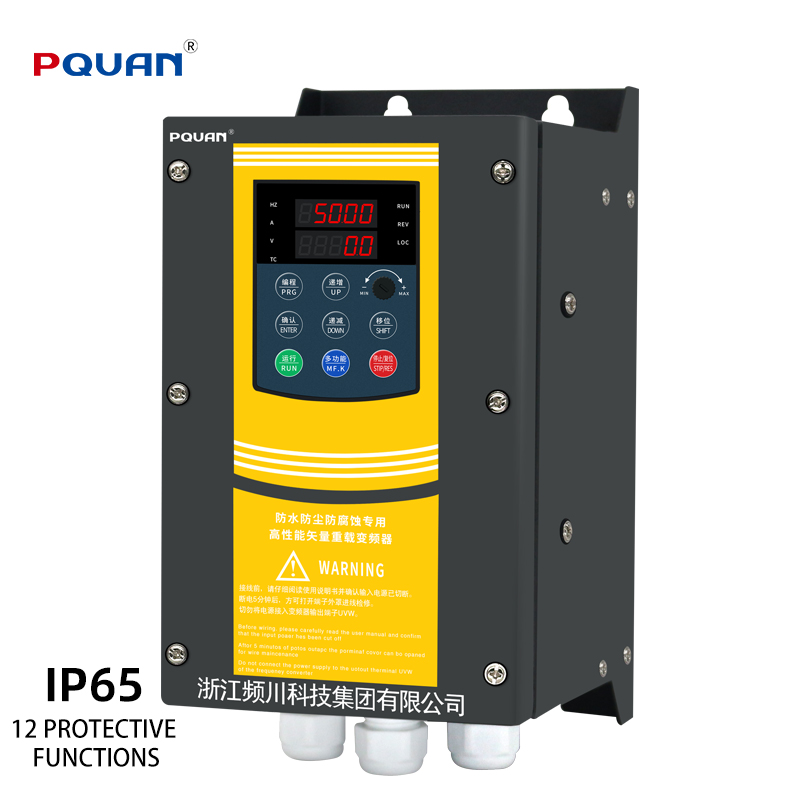
In modern industrial environments, precise motor control is no longer optional — it is a fundamental requirement for competitive operations. A frequency inverter serves as the core technology that enables variable speed control of AC motors, allowing industrial systems to respond dynamically to changing load demands. From conveyor systems to compressors, the frequency inverter has become a standard tool in the industrial toolkit, delivering both performance and efficiency across a wide range of applications.
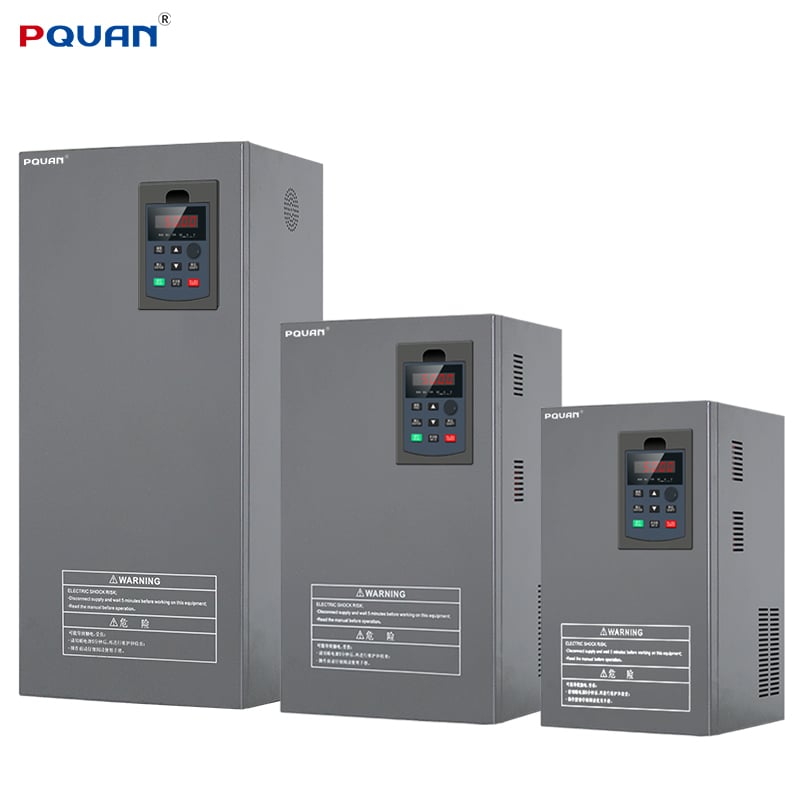
What separates a generic frequency inverter from a truly effective solution is how well it is configured and customized to match the specific demands of an industrial application. Industrial processes vary enormously in terms of load type, voltage requirements, environmental conditions, and duty cycles. A well-matched frequency inverter not only protects motors and connected equipment but also contributes significantly to energy savings and system reliability. Understanding how custom frequency inverter solutions are designed and deployed is essential for any engineer or procurement decision-maker working in industrial automation.
What Custom Frequency Inverter Solutions Actually Mean
Beyond Standard Off-the-Shelf Configuration
When manufacturers and system integrators refer to custom frequency inverter solutions, they are not simply talking about choosing a different power rating. Customization in the context of a frequency inverter involves selecting and configuring specific control modes, protection features, communication protocols, and hardware options that align with the exact demands of the target application. A frequency inverter deployed in a water treatment facility, for example, has very different requirements from one used in a steel mill or a textile factory.
Custom frequency inverter configurations typically address input voltage compatibility, output frequency range, braking methods, thermal management, and enclosure ratings. Many industrial environments require a frequency inverter to operate reliably in high-dust, high-humidity, or high-vibration conditions. The ability to tailor a frequency inverter to these environmental and operational parameters is what defines a custom solution. Engineers working with these systems must evaluate load characteristics, starting torque requirements, and deceleration profiles to arrive at the right frequency inverter specification.
Control Modes and Their Industrial Relevance
A frequency inverter supports multiple control modes including V/F control, vector control, and direct torque control. Each control mode suits a different category of industrial application. V/F control within a frequency inverter is suitable for simple fan and pump loads where the speed-to-torque relationship is relatively stable. Vector control in a frequency inverter provides far more precise torque and speed regulation, making it appropriate for demanding applications such as CNC machines, hoists, and winding systems. Selecting the correct control mode is a critical part of the customization process and should be guided by real application data rather than assumptions.
Key Industrial Applications for Frequency Inverter Deployment
Pumps, Fans, and Compressors
The most widely deployed use of a frequency inverter in industrial settings involves pump, fan, and compressor systems. These are variable-torque loads where motor speed can be adjusted to match system demand rather than running at full speed continuously. Using a frequency inverter to regulate pump speed in a water supply or HVAC system can reduce energy consumption by a significant margin because power draw in centrifugal systems is proportional to the cube of rotational speed. A frequency inverter used here reduces mechanical stress on the system and extends equipment service life.
Compressor applications present a particularly strong case for a custom frequency inverter solution. Air compressors in manufacturing plants often run at fixed speeds, creating inefficiency during periods of low demand. When a frequency inverter is integrated into the compressor drive system, it allows the motor to modulate speed according to actual air demand. This application of the frequency inverter reduces energy waste, lowers peak current draw, and decreases wear on mechanical components. A frequency inverter configured specifically for compressor duty must account for the load inertia and the pressure control loop integration.
Conveyor and Material Handling Systems
Conveyor and material handling systems represent another core domain where the frequency inverter delivers clear operational value. These applications require smooth acceleration and deceleration profiles to protect both product integrity and mechanical components. A frequency inverter provides programmable ramp-up and ramp-down times, enabling precise control over how quickly a conveyor belt reaches operating speed. In heavy-load applications such as mining conveyors or automotive assembly lines, the frequency inverter must be rated for high torque at low speeds, which demands careful parameter tuning. A frequency inverter solution for conveyor systems often includes built-in braking chopper circuits and overload protection features that are configured during the commissioning phase.
Designing a Frequency Inverter Solution for Specific Industrial Needs
Matching Inverter Ratings to Application Requirements
Designing an appropriate frequency inverter solution begins with a thorough analysis of the application's electrical and mechanical parameters. The frequency inverter must be rated for the correct output power and current to match the connected motor under worst-case load conditions. Undersizing a frequency inverter leads to premature tripping and potential damage, while oversizing results in unnecessary cost and suboptimal performance of the control algorithm. For high-inertia loads, the frequency inverter selection must account for extended acceleration times and possible regenerative energy during braking cycles.
Voltage compatibility is another critical factor when specifying a frequency inverter. Industrial applications operate across a range of supply voltages, and a frequency inverter must be selected or configured to accept the available input voltage while delivering the correct output. Three-phase frequency inverter drives operating at 380V or 480V are common in industrial settings, but single-phase input frequency inverter models are also used in lighter-duty or retrofit scenarios. The frequency inverter's PWM control strategy also plays a role in determining motor noise levels and harmonic distortion, both of which can affect overall system performance and compliance with electrical standards.
Integration with Industrial Automation and Communication
A frequency inverter in a modern industrial plant rarely operates as a standalone device. It is typically integrated into a broader automation ecosystem involving PLCs, SCADA systems, and field networks. Custom frequency inverter solutions must therefore support the communication protocols used within that ecosystem, whether Modbus RTU, PROFIBUS, CANopen, or Ethernet-based protocols. The frequency inverter's parameter settings can then be managed remotely, and operational data including speed, current, temperature, and fault codes can be monitored in real time. This integration capability transforms the frequency inverter from a simple speed controller into an intelligent node within the industrial network, enabling predictive maintenance and system-level optimization.
FAQ
What is the main benefit of using a frequency inverter in industrial applications?
The primary benefit of a frequency inverter is precise motor speed control, which reduces energy consumption, lowers mechanical stress, and extends equipment lifespan. A properly selected frequency inverter also enables soft starting and stopping, which protects the motor and the driven load from sudden mechanical shocks during operation.
How do I choose the right frequency inverter for my application?
Selecting the right frequency inverter requires evaluating the motor's power rating, the load type, the supply voltage, and the required control mode. It is important to match the frequency inverter to the full load current of the motor and to consider environmental factors such as ambient temperature and protection class. Consulting a frequency inverter specialist or reviewing detailed application notes helps ensure the correct selection is made.
Can a frequency inverter be used with existing motors and systems?
Yes, a frequency inverter can typically be retrofitted to existing standard induction motors without requiring motor replacement. However, it is important to verify that the motor's insulation rating is compatible with the PWM output of the frequency inverter, especially in older motor installations. A thorough compatibility check before deploying a frequency inverter in a retrofit scenario prevents insulation degradation and ensures long-term reliability.