 EN
EN

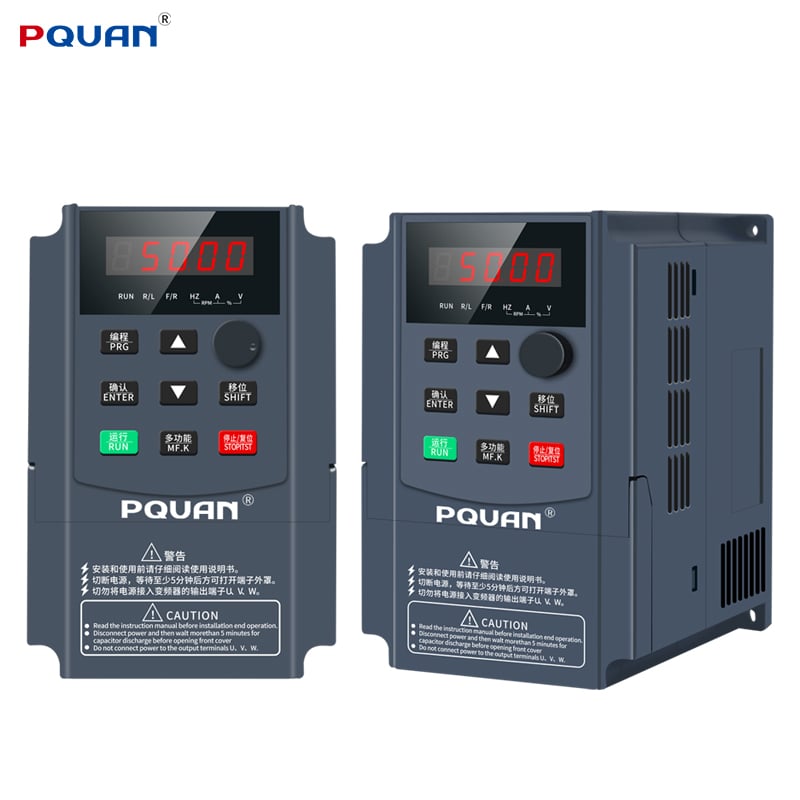
A frequency inverter is one of the most reliable tools available for protecting electric motors in industrial environments. When motors are exposed to sudden voltage spikes, excessive current, or uncontrolled starting sequences, the damage accumulates quickly and leads to costly downtime. Understanding how a frequency inverter prevents these failure modes is essential for any engineer or plant manager responsible for motor-driven equipment.
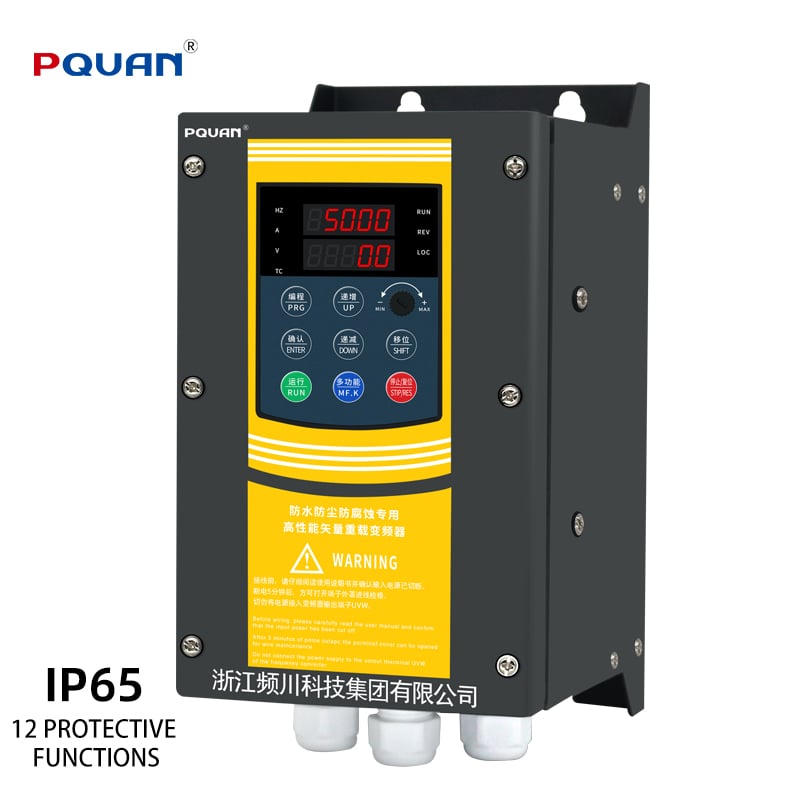
The protection mechanisms built into a modern frequency inverter go far beyond simple speed control. Every frequency inverter monitors electrical conditions in real time and responds to abnormal events before they can cause physical harm to motor windings, bearings, or insulation. This article explores exactly how a frequency inverter shields motors from the most common and damaging electrical and mechanical threats found in industrial operations.
Controlled Starting and Stopping with a Frequency Inverter
Eliminating Inrush Current at Startup
One of the most destructive events a motor experiences is direct-on-line startup. Without a frequency inverter, a motor can draw six to eight times its rated current in the first moments of energization. This inrush current creates intense heat in the windings and mechanical stress on the rotor and shaft. A frequency inverter eliminates this problem by gradually ramping voltage and frequency from zero up to the target operating point, keeping startup current within safe limits throughout the entire acceleration phase.
The frequency inverter achieves this through programmable acceleration ramps. Operators can set the ramp-up time to match the mechanical load, ensuring that heavy loads such as pumps, fans, and compressors receive a smooth and controlled start. Every time the frequency inverter manages a startup this way, it dramatically reduces thermal and mechanical fatigue on the motor.
Smooth Deceleration to Prevent Mechanical Shock
Abrupt stopping is equally damaging. When a motor connected to a conveyor or centrifugal pump is cut off without deceleration control, kinetic energy creates braking forces that stress couplings and bearings. A frequency inverter manages deceleration through a controlled ramp-down sequence, allowing the motor and its connected load to slow gradually. This not only protects the motor but also extends the service life of mechanical components downstream. The frequency inverter can also apply dynamic braking when faster deceleration is required, channeling excess energy safely rather than allowing it to damage the motor.
Real-Time Electrical Protection Inside a Frequency Inverter
Overcurrent and Overvoltage Detection
A frequency inverter continuously monitors output current and compares it against programmed protection thresholds. If current exceeds the safe limit due to a mechanical jam, a sudden load surge, or a wiring fault, the frequency inverter responds within milliseconds by reducing output or triggering a fault trip. This rapid response prevents the motor windings from overheating and reaching the thermal damage threshold. Without a frequency inverter, these overcurrent events could remain undetected long enough to cause irreversible insulation breakdown.
Overvoltage protection is equally critical. A frequency inverter detects DC bus voltage spikes that occur during regenerative braking or grid disturbances. When overvoltage is detected, the frequency inverter either activates a braking resistor or modifies its output switching pattern to absorb and redistribute the excess energy. This keeps the motor insulation safe from voltage stress that could otherwise puncture it permanently.
Thermal Overload and Phase Loss Protection
Motor overheating is a leading cause of premature failure, and a frequency inverter provides built-in thermal modeling to track estimated motor temperature in real time. By calculating the cumulative thermal load based on current, duration, and cooling conditions, the frequency inverter can issue a warning or trigger a protective shutdown before the motor temperature reaches a critical level. This is far more responsive than a traditional thermal relay, which only reacts after the damage has already begun.
Phase loss is another severe threat. If one phase of a three-phase motor supply is interrupted, the motor draws unbalanced current that causes rapid overheating. A frequency inverter detects phase loss immediately and shuts down output to prevent the motor from running in this dangerous condition. The frequency inverter also monitors for phase imbalance, which creates similar thermal stress even when all three phases are technically present.
Advanced Protection Features of a Frequency Inverter
Under-Voltage and Ground Fault Protection
Low supply voltage forces a motor to draw higher current to maintain torque, generating excess heat that degrades insulation over time. A frequency inverter continuously monitors input voltage and can suspend operation if the supply drops below a safe threshold. This under-voltage protection prevents the motor from operating in a condition that would gradually destroy its internal components. The frequency inverter can also be configured to resume operation automatically once voltage is restored within acceptable limits, reducing the need for manual intervention.
Ground fault protection is a safety feature integrated into many frequency inverter models. By monitoring the output current balance across all phases, the frequency inverter can detect leakage current that suggests insulation breakdown or an unintended ground connection. Early detection through the frequency inverter allows maintenance teams to address wiring issues before they escalate into a full motor failure or personnel safety incident.
Speed and Load Monitoring for Mechanical Protection
A frequency inverter does not only protect against electrical threats. By tracking speed feedback and load torque in real time, the frequency inverter can identify conditions such as mechanical overload, stalled rotor, or belt slippage. When the frequency inverter detects that output torque exceeds the programmed limit, it can reduce speed or shut down to prevent mechanical damage. This load-monitoring capability makes the frequency inverter a comprehensive protection platform, not just a speed controller.
FAQ
How does a frequency inverter protect a motor during startup?
A frequency inverter controls the startup sequence by gradually increasing voltage and frequency, which limits inrush current and prevents the mechanical shock that occurs with direct-on-line starting. This smooth acceleration extends motor life significantly.
Can a frequency inverter prevent motor overheating?
Yes. A frequency inverter uses built-in thermal modeling and real-time current monitoring to estimate motor temperature. When thermal limits are approached, the frequency inverter issues warnings or shuts down to prevent insulation damage caused by excessive heat.
Does a frequency inverter protect against power supply problems?
A frequency inverter monitors input voltage continuously and can detect under-voltage, overvoltage, and phase loss conditions. When these anomalies are identified, the frequency inverter takes protective action to prevent the motor from operating under harmful electrical conditions.