przekształtnik częstotliwości trójfazowy
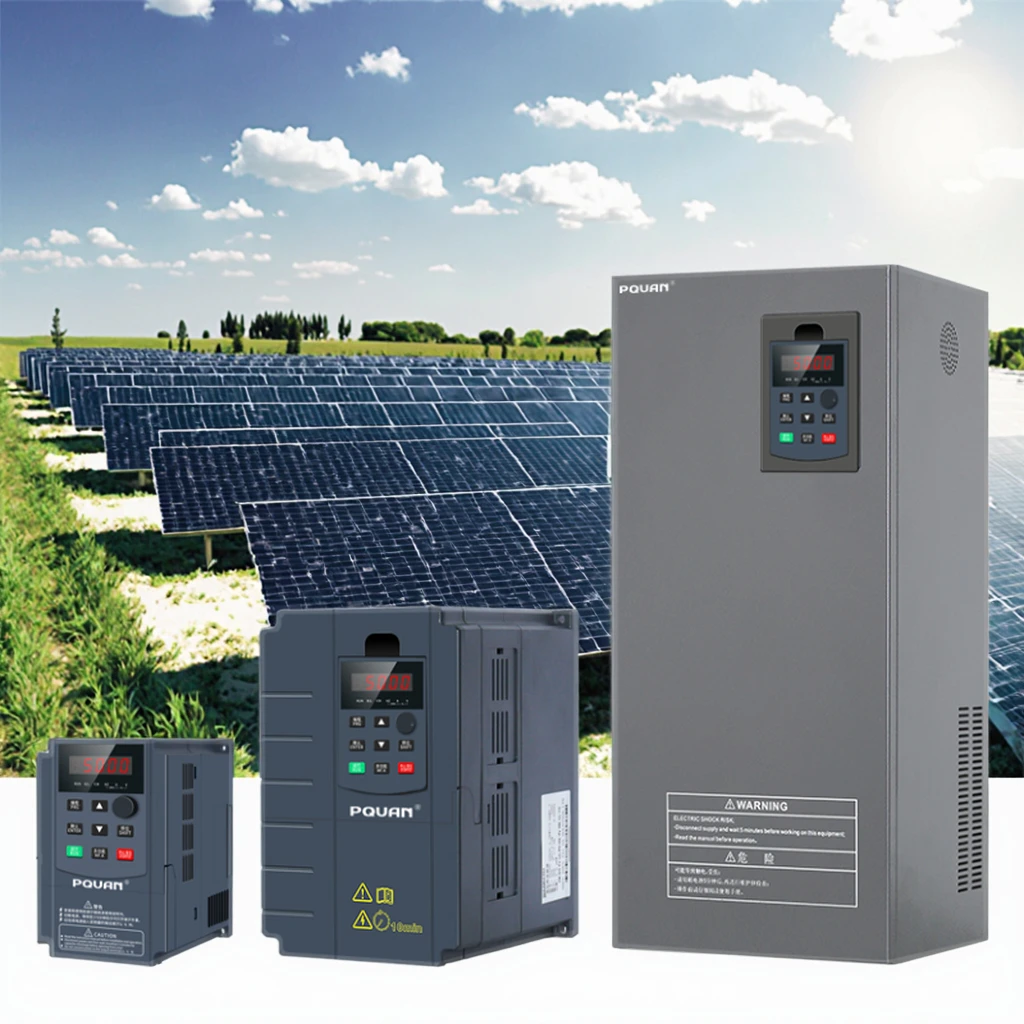
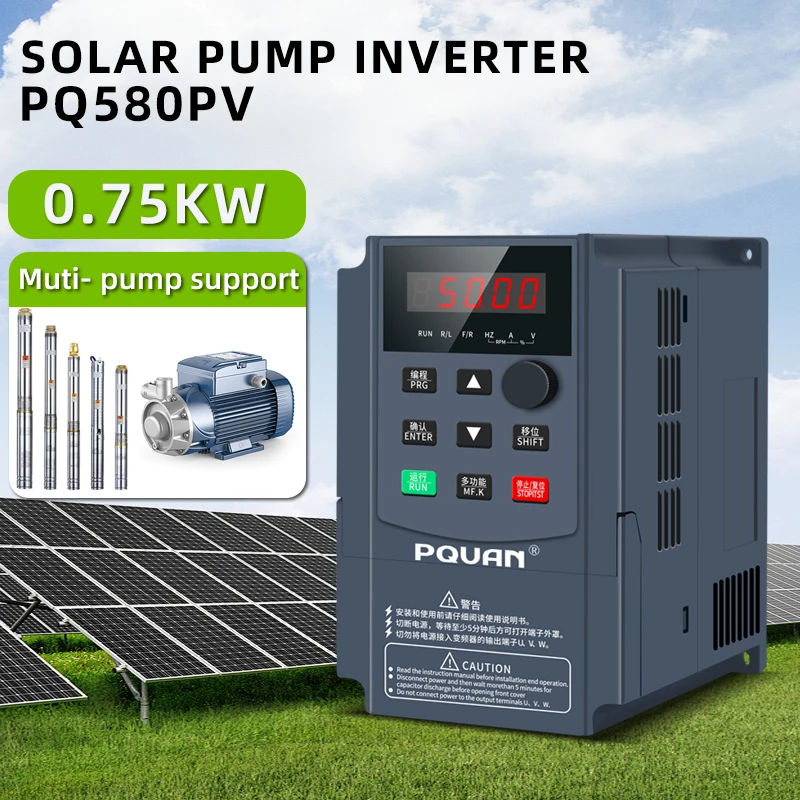
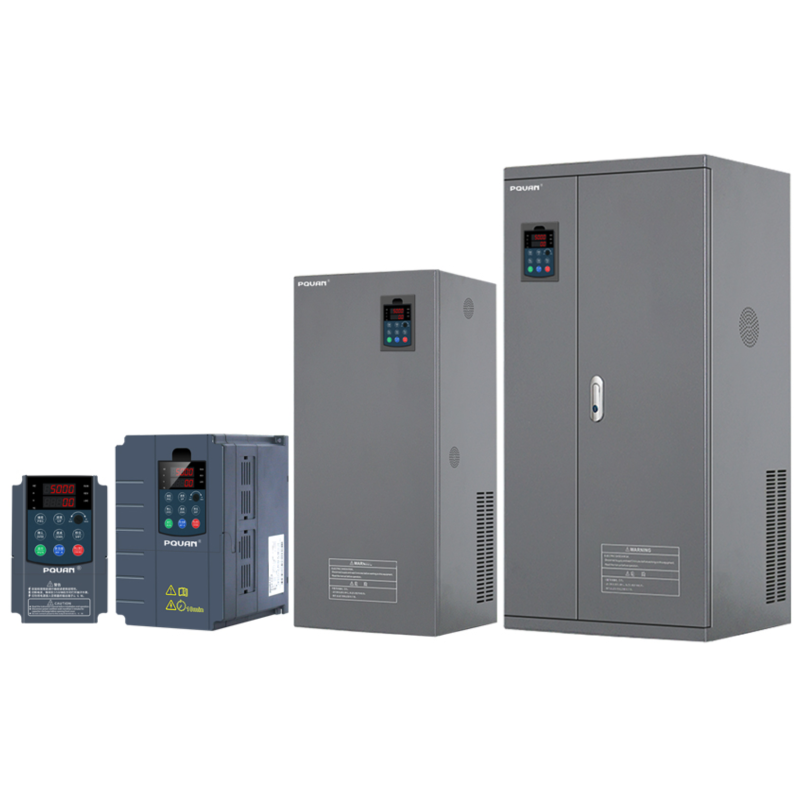
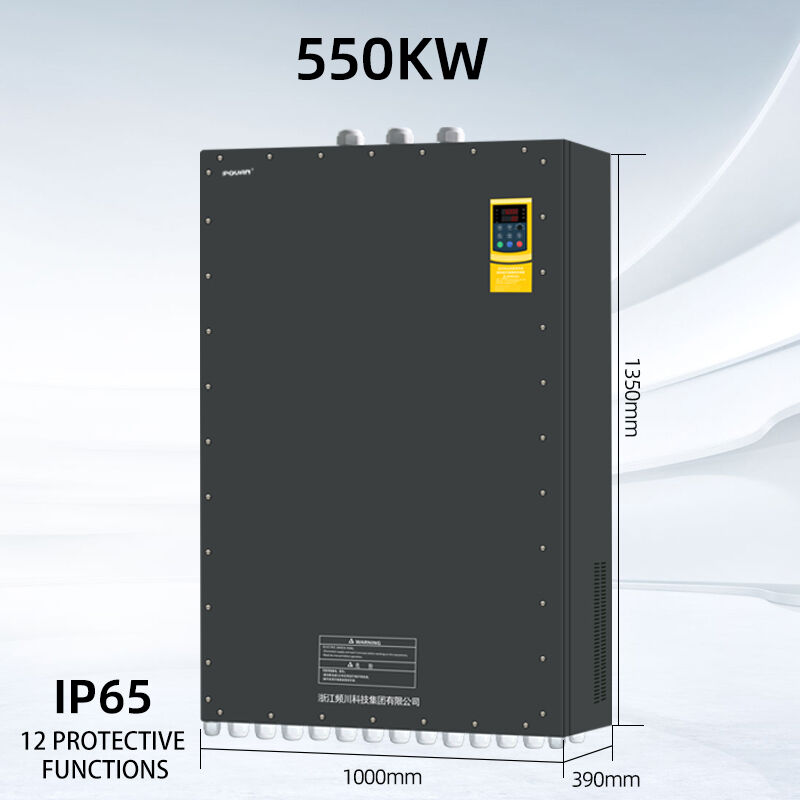
Trójfazowy przemiennik częstotliwości to zaawansowany elektroniczny system sterowania zaprojektowany do regulacji prędkości obrotowej i momentu obrotowego silników prądu przemiennego o napięciu trójfazowym poprzez dostosowanie częstotliwości i napięcia zasilania. Ta nowoczesna technologia sterowania silnikami działa poprzez przekształcenie dopływającego prądu przemiennego w prąd stały za pomocą układu prostowniczego, a następnie ponowne przekształcenie go z powrotem w prąd przemienny o zmiennej częstotliwości i napięciu za pomocą sekcji falownika. Główne zadanie trójfazowego przemiennika częstotliwości polega na zapewnieniu precyzyjnej regulacji prędkości obrotowej silnika w szerokim zakresie zastosowań, umożliwiając jego pracę z maksymalną wydajnością i jednoczesnym ograniczeniem zużycia energii. System napędowy zawiera zaawansowane, oparte na mikroprocesorach algorytmy sterowania, które ciągle monitorują parametry pracy silnika, zapewniając stabilną pracę przy zmiennych warunkach obciążenia. Współczesne jednostki trójfazowych przemienników częstotliwości wykorzystują technologię sterowania wektorowego, która zapewnia lepszą kontrolę momentu obrotowego oraz lepsze charakterystyki dynamicznej odpowiedzi w porównaniu z tradycyjnymi metodami sterowania skalarnego. Przemienniki te zwykle zawierają wbudowane funkcje ochronne, takie jak ochrona przed przepięciami, ochrona przed przekręceniem, ochrona przed niedociśnieniem oraz monitorowanie temperatury, aby chronić zarówno sam przemiennik, jak i połączony z nim silnik. Architektura technologiczna trójfazowego przemiennika częstotliwości obejmuje elementy elektroniki mocy, w tym tranzystory IGBT lub MOSFET do operacji przełączania, kondensatory obwodu stałoprądowego do magazynowania energii oraz zaawansowane układy sterowania do przetwarzania sygnałów. Kolejnym kluczowym aspektem są możliwości komunikacyjne – większość współczesnych jednostek obsługuje różne przemysłowe protokoły komunikacyjne, takie jak Modbus, Profibus czy komunikacja oparta na Ethernetie, co umożliwia bezproblemową integrację w zautomatyzowanych systemach sterowania. Zastosowania obejmują liczne gałęzie przemysłu, w tym produkcję przemysłową, systemy wentylacji, klimatyzacji i ogrzewania (HVAC), oczyszczalnie ścieków, systemy taśmociągowe, pompy, wentylatory, sprężarki oraz sprzęt do manipulacji materiałami. Uniwersalność technologii trójfazowych przemienników częstotliwości czyni ją odpowiednią zarówno do prostych zastosowań regulacji prędkości, jak i do złożonych systemów koordynacji wielu silników, zapewniając producentom elastyczne rozwiązania dla różnorodnych wymagań operacyjnych.

 EN
EN