 EN
EN

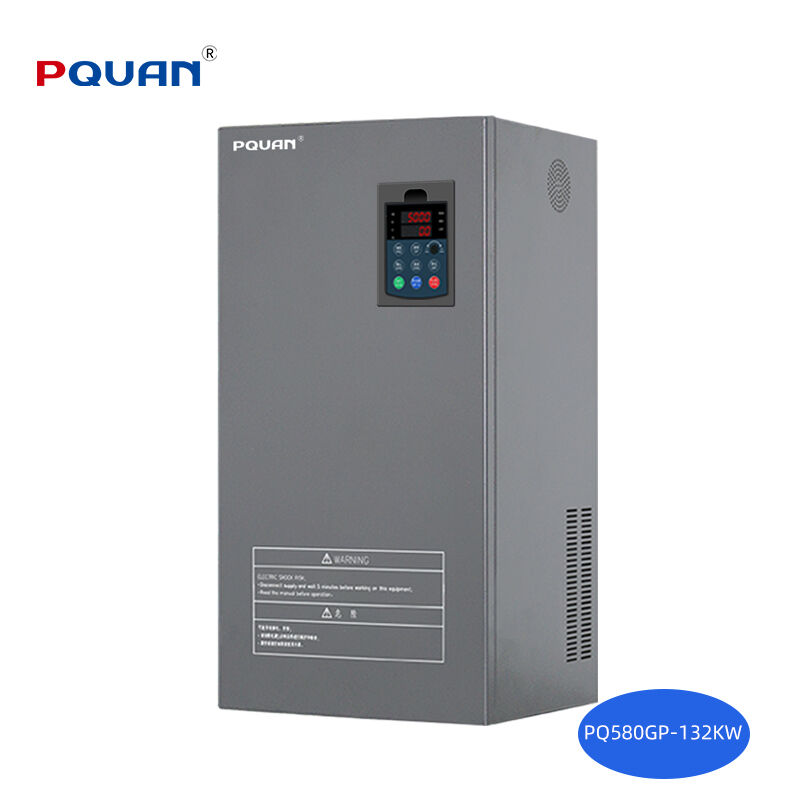
Valget mellom en automatisk spenningsregulator og en manuell spenningsstabilisator representerer en avgjørende beslutning for industrielle anlegg, kommersielle etablissementer og boligapplikasjoner som krever spenningsstabilitet. Denne grunnleggende sammenligningen påvirker direkte utstyrsbeskyttelse, driftseffektivitet og langsiktige vedlikeholdsutgifter i ulike elektriske systemer.
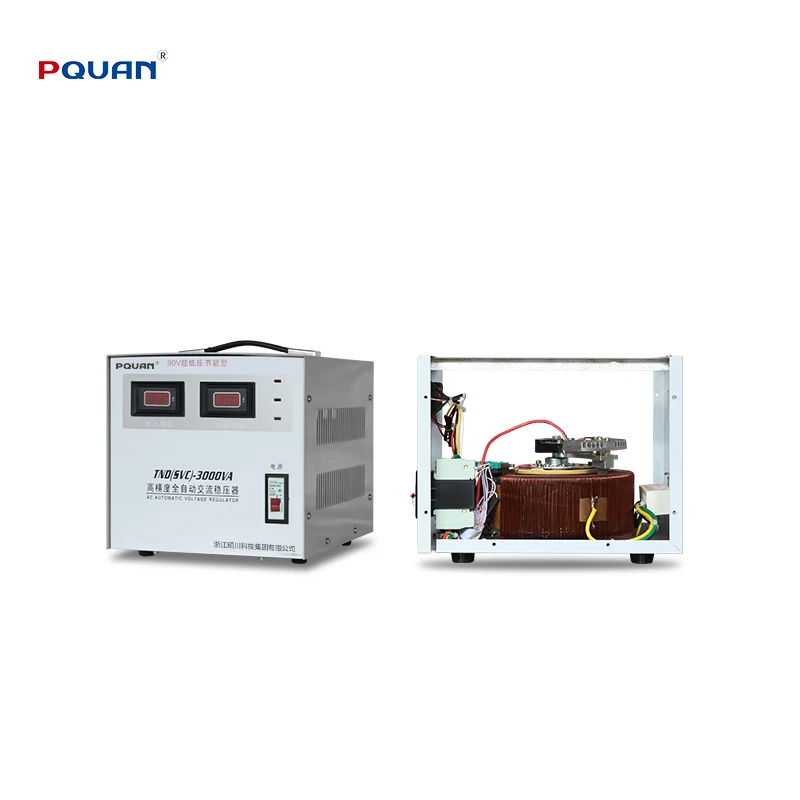
Å forstå de forskjellige driftsegenskapene, ytelsesparameterne og bruksmulighetene til hver spenningsreguleringsteknologi gjør det mulig å ta informerte beslutninger som er i tråd med spesifikke krav til elektrisk beskyttelse. Begge systemene utfører den grunnleggende funksjonen å opprettholde en stabil utgangsspenning selv ved svingninger i inngangsspenningen, men deres virkemåter, responsivitet og praktiske implementering skiller seg betydelig fra hverandre – noe som avgjør hvilke kriterier som er best for valg av system i ulike situasjoner.
Kjerneforskjeller i teknologi mellom automatiske og manuelle systemer
Driftsprinsipper for automatisk spenningsregulator
En automatisk spenningsregulator bruker sofistikerte sensorkretser som kontinuerlig overvåker variasjoner i inngangsspenningen og reagerer øyeblikkelig gjennom servomotorstyrte transformatorer eller elektroniske brytemekanismer. Den automatiske spenningsregulatoren bruker tilbakekoblingsstyringssystemer som sammenligner den faktiske utgangsspenningen med forhåndsbestemte referanseverdier og automatisk justerer interne komponenter for å opprettholde en konstant spenningsforsyning uten menneskelig inngrep.
Moderne design av automatiske spenningsregulatorer inneholder mikroprosessorbaserte styreenheter som behandler signaler om spenningsavvik innen millisekunder, noe som muliggjør rask korrigering av spenningsflukturasjoner før de påvirker tilkoblede utstyr. Denne evnen til å gi sanntidsrespons gjør den automatiske spenningsregulatoren spesielt effektiv i miljøer med hyppige eller uforutsigbare spenningsvariasjoner, der manuell overvåking ville være urimelig eller utilstrekkelig for tilstrekkelig beskyttelse.
Servomotormekanismen i en automatisk spenningsregulator plasserer nøyaktig variabeltransformatoruttag eller justerer elektroniske komponentparametere for å oppnå optimal spenningskorreksjon. Denne mekaniske nøyaktigheten, kombinert med elektronisk kontrollintelligens, gjør at den automatiske spenningsregulatoren kan opprettholde spenningsstabilitet innenfor smale toleransebånd, typisk i området ±1 % til ±3 % av nominelle verdier.
Driftsramme for manuell spenningsstabilisator
Manuelle spenningsstabilisatorer krever menneskelig inngrep for spenningsjusteringsoperasjoner og bruker manuelt betjente brytere, uttaksskifter eller variable kontroller som operatørene må justere basert på observerte spenningsforhold. Disse systemene inneholder vanligvis display for spenningsovervåking eller analoge måler som viser gjeldende inngangsspenning og utgangsspenning, slik at operatørene kan ta informerte justeringsbeslutninger.
Den manuelle justeringsprosessen innebär att operatörer övervakar spänningsförhållandena och manuellt väljer lämpliga transformatorsteg eller justerar variabla komponenter för att uppnå önskade utspänningsnivåer. Denna driftsmetod ger direkt mänsklig kontroll över parametrarna för spänningsreglering, men kräver ständig övervakning och tidig ingripande för att bibehålla optimal spänningsstabilitet vid varierande inkommande förhållanden.
Manuella spänningsstabilisatorer har ofta förenklade kretskonstruktioner med färre elektroniska komponenter jämfört med automatiska system, vilket potentiellt kan ge ökad tillförlitlighet i hårda miljöförhållanden där elektroniska styrsystem kan påverkas av störningar eller komponentförslitning. Gränssnittet för manuell kontroll gör det möjligt for operatörer att åsidosätta automatiska funktioner och implementera specifika strategier för spänningsjustering baserat på driftserfarenhet och utrustningskrav.
Jämförelse av prestanda och svarsegenskaper
Analyse av responsfart og nøyaktighet
Den automatiske spenningsregulatoren viser overlegen evne til å reagere raskt, og oppnår vanligvis spenningskorreksjon innen 0,5–2 sekunder etter at inngangsspenningsavvik er oppdaget. Denne korte responstiden er avgjørende for beskyttelse av følsom elektronisk utstyr som ikke tåler lengre spenningsvariasjoner uten å oppleve driftsforstyrrelser eller mulig skade.
Nøyaktighetskravene for systemer med automatisk spenningsregulering overstiger vanligvis de manuelle alternativene, og holder utgangsspenningsstabiliteten innen toleranser på ±1 % til ±3 % under normale driftsforhold. De nøyaktige elektroniske kontrollmekanismene sikrer konsekvent ytelse ved spenningsregulering uavhengig av operatørens tilgjengelighet eller menneskelige feil som kan påvirke driften av manuelle systemer.
Manuelle spenningsstabilisatorer viser betydelig langsommere responstider, begrenset av menneskets reaksjonshastighet og manuelle innstillingsprosedyrer som kan ta flere minutter å fullføre for optimal spenningskorreksjon. Denne forlengede responstiden kan føre til lengre perioder med spenningsavvik som kan påvirke ytelsen til tilkoblede enheter negativt eller forårsake driftsforstyrrelser i applikasjoner som er følsomme for spenning.
Spenningsreguleringsområde og fleksibilitet
Automatiske spenningsregulatorer er vanligvis utformet for å håndtere bredere inngangsspenningsområder, ofte ±20 % til ±30 % variasjoner i inngangsspenning, mens de opprettholder en stabil utgangsspenning. Avanserte modeller av automatiske spenningsregulatorer kan håndtere enda bredere spenningsvariasjoner gjennom sofistikerte styringsalgoritmer og utvidede transformatortrinnkonfigurasjoner.
Den programmerbare karakteren til automatiske spenningsregulatorstyringssystemer tillater tilpassing av reguleringsparametere, inkludert justeringsfølsomhet, responsstid og spenningsgodtakelse. Denne fleksibiliteten gjør det mulig å optimere systemet for spesifikke anvendelseskrav og utstyrsbeskyttelseskriterier uten behov for maskinvaremodifikasjoner eller utskifting av komponenter.
Manuelle spenningsstabilisatorer har begrenset spenningsreguleringsområde sammenlignet med automatiske systemer og håndterer typisk ±15 % til ±20 % inngangsspenningsvariasjoner effektivt. Den manuelle justeringsprosessen kan ha problemer med å opprettholde optimal spenningsstabilitet under rask eller hyppig spenningsvariasjon som overstiger menneskets evne til overvåking og respons.
Anvendelsesegnethet og valgkriterier
Industrielle og kommersielle anvendelsesscenarier
Industrielle anlegg med kritiske produksjonsprosesser, datacentre og installasjoner av medisinsk utstyr krever vanligvis beskyttelse med automatisk spenningsregulator på grunn av kravet om umiddelbar respons og nøyaktig spenningskontroll for drift av følsomt utstyr. Den automatiske spenningsregulatoren gir kontinuerlig beskyttelse uten å være avhengig av operatørens tilgjengelighet eller oppmerksomhet, og sikrer dermed konsekvent utstyrsbeskyttelse under alle driftsperioder.
Kommersielle virksomheter som driver spenningsfølsomt utstyr, som datamaskinsystemer, telekommunikasjonsinfrastruktur eller presisjonsinstrumenter, drar betydelig nytte av installasjon av automatisk spenningsregulator. Evnen til å drive systemer med automatisk spenningsregulator uten oppsyn er avgjørende for virksomheter som ikke kan tillate utstyrsnedgang eller driftsforstyrrelser som skyldes spenningsavvik.
Produksjonsmiljøer med automatiserte produksjonslinjer, robotsystemer eller prosessstyringsutstyr krever de raskt reagerende egenskapene og den nøyaktige spenningskontrollen som teknologien for automatisk spenningsregulator leverer. Manuelle spenningsstabilisatorer kan vise seg utilstrekkelige for disse anvendelsene på grunn av begrensninger i responstid og umuligheten av kontinuerlig menneskelig overvåking under lange produksjonsløp.
Residensielle og småskala-applikasjoner
Residensielle applikasjoner med grunnleggende elektriske apparater og belysningsanlegg kan finne manuelle spenningsstabilisatorer tilstrekkelige for behovet av spenningsbeskyttelse, spesielt i områder med relativt stabil strømforsyning. Den forenklede driften og eventuelt lavere opprinnelige kostnaden for manuelle systemer kan gjøre dem attraktive for grunnleggende spenningsstabiliseringsbehov.
Hjemmekontormiljøer med datamaskinutstyr, nettverksenheter eller andre elektroniske systemer drar nytte av automatisk spenningsregulatorbeskyttelse for å forhindre utstyrs-skade og data tap under spennings-svingninger. Komforten og påliteligheten til automatisk drift eliminerer behovet for konstant overvåking og manuell inngrep fra hjemmebrukere.
Små kommersielle virksomheter, som butikker, restauranter eller tjenesteytende bedrifter, må vurdere følsomheten til sitt utstyr og sine driftskrav når de velger mellom automatisk spenningsregulator og manuell spenningsstabilisator. Virksomheter med kritiske elektroniske systemer kan vanligvis rettferdiggjøre investeringen i en automatisk spenningsregulator gjennom redusert drifts-avbrytelse og fordeler knyttet til beskyttelse av utstyr.
Kostnadsanalyse og vurdering av langsiktig verdi
Førstegangsinvestering og installasjonskostnader
Automatiske spenningsregulatorer krever vanligvis en høyere innledende investering enn manuelle spenningsstabilisatorer på grunn av sofistikerte elektroniske styrekretser, servomotorer og avanserte sensorkretser. Denne opprinnelige kostnadsforskjellen ligger typisk mellom 30 % og 80 % høyere for automatiske spenningsregulatorer med tilsvarende effektrating og reguleringsevne.
Installasjonskompleksiteten for automatiske spenningsregulatorer kan innebära ytterligare elektriske tilkoblinger for styrekretser, programmeringskrav for driftsparametre og integrasjon med eksisterende elektriske fordelingssystemer. Disse installasjonsfaktorene kan bidra til høyere innledende utplasseringskostnader sammenlignet med installasjonen av manuelle spenningsstabilisatorer, som krever enklere elektriske tilkoblinger og oppsettsprosedyrer.
Imidlertid inkluderer installasjonsprosessen for automatisk spenningsregulator ofte omfattende tester, kalibrering og driftsverifikasjonsprosedyrer som sikrer optimal ytelse fra første oppstart. Denne grundige igangsattelsesmetoden reduserer sannsynligheten for driftsproblemer og gir tillit til systemets pålitelighet i kritiske applikasjoner.
Driftskostnader og vedlikeholdsbehov
Langsiktige driftskostnader for systemer med automatisk spenningsregulator er vanligvis lavere enn for manuelle alternativer på grunn av reduserte arbeidskrav for overvåkning og justeringsoperasjoner. Evnen til autonom drift eliminerer vedvarende personalkostnader knyttet til spenningsovervåkning og behov for manuell inngrep, som manuelle spenningsstabilisatorer krever.
Vedlikeholdsbehovet for automatiske spenningsregulatorer fokuserer hovedsakelig på periodisk inspeksjon av mekaniske komponenter, verifikasjon av elektronisk kontrollsystem og forebyggende vedlikehold av servomotorer. Selv om disse vedlikeholdsprosedyrene krever teknisk ekspertise, utføres de mindre hyppig enn den kontinuerlige driftsoppmerksomheten som kreves for manuelle spenningsstabilisatorer.
Manuelle spenningsstabilisatorer kan kreve mer hyppig operatørinngrep og overvåking, noe som fører til høyere lønnskostnader i drift og potensielle risikoer knyttet til menneskelige feil som kan påvirke systemets ytelse eller beskyttelsen av tilkoblede utstyr. De samlede driftskostnadene over lengre tidsrom favoriserer ofte automatiske spenningsregulatorer, selv om de har høyere innledende investeringskrav.
Ofte stilte spørsmål
Hvilket system gir bedre beskyttelse for følsomt elektronisk utstyr?
Automatiske spenningsregulatorer gir overlegen beskyttelse for følsom elektronisk utstyr på grunn av deres rask reaksjonstid, nøyaktig spenningskontroll og kontinuerlige overvåkningsmuligheter. Den øyeblikkelige spenningskorreksjonen som automatiske spenningsregulatorer tilbyr, forhindrer spenningsavvik som kan skade eller forstyrre driften av følsomt utstyr, noe som gjør dem til det foretrukne valget for kritiske elektroniske systemer og presisjonsinstrumenter.
Hvordan skiller vedlikeholdsbehovet seg mellom automatiske og manuelle spenningsreguleringssystemer?
Automatiske spenningsregulatorsystemer krever periodisk teknisk vedlikehold av elektroniske kontrollkretser og servomotorer, men virker autonomt mellom vedlikeholdsintervaller. Manuelle spenningsstabilisatorer krever kontinuerlig operativ oppmerksomhet for overvåking og justering, men har enklere mekaniske design som kan kreve mindre spesialisert vedlikeholdskompetanse. Totalt sett er vedlikeholdskostnadene vanligvis lavere for automatiske systemer på grunn av reduserte krav til operativ arbeidskraft.
Kan manuelle spenningsstabilisatorer håndtere rask spenningsvariasjon effektivt?
Manuelle spenningsstabilisatorer sliter med å håndtere rask eller hyppig spenningsvariasjon effektivt på grunn av begrensninger i menneskets reaksjonstid og manuelle innstillingsprosedyrer. Automatiske spenningsregulatorer presterer utmerket under disse forholdene takket være elektronisk deteksjon og evne til umiddelbar respons. Manuelle systemer fungerer best i applikasjoner med relativt stabile spenningsforhold som krever sjeldne justeringer i stedet for kontinuerlig regulering.
Hvilke faktorer bør bestemme valget mellom automatisk og manuell spenningsregulering?
Valget bør baseres på kravene til utstyrets følsomhet, frekvensen av spenningsvariasjoner, operasjonell kritikalitet og tilgjengelige overvåkningsressurser. Anvendelser som krever umiddelbar spenningskorreksjon, ubemannet drift eller beskyttelse av følsomt utstyr favoriserer valg av automatisk spenningsregulator. Manuelle spenningsstabilisatorer egner seg for anvendelser med grunnleggende behov for spenningsstabilisering, begrensede budsjett og tilstrekkelige menneskelige overvåkningsmuligheter for effektiv drift.
Innholdsfortegnelse
- Kjerneforskjeller i teknologi mellom automatiske og manuelle systemer
- Jämförelse av prestanda och svarsegenskaper
- Anvendelsesegnethet og valgkriterier
- Kostnadsanalyse og vurdering av langsiktig verdi
-
Ofte stilte spørsmål
- Hvilket system gir bedre beskyttelse for følsomt elektronisk utstyr?
- Hvordan skiller vedlikeholdsbehovet seg mellom automatiske og manuelle spenningsreguleringssystemer?
- Kan manuelle spenningsstabilisatorer håndtere rask spenningsvariasjon effektivt?
- Hvilke faktorer bør bestemme valget mellom automatisk og manuell spenningsregulering?