 EN

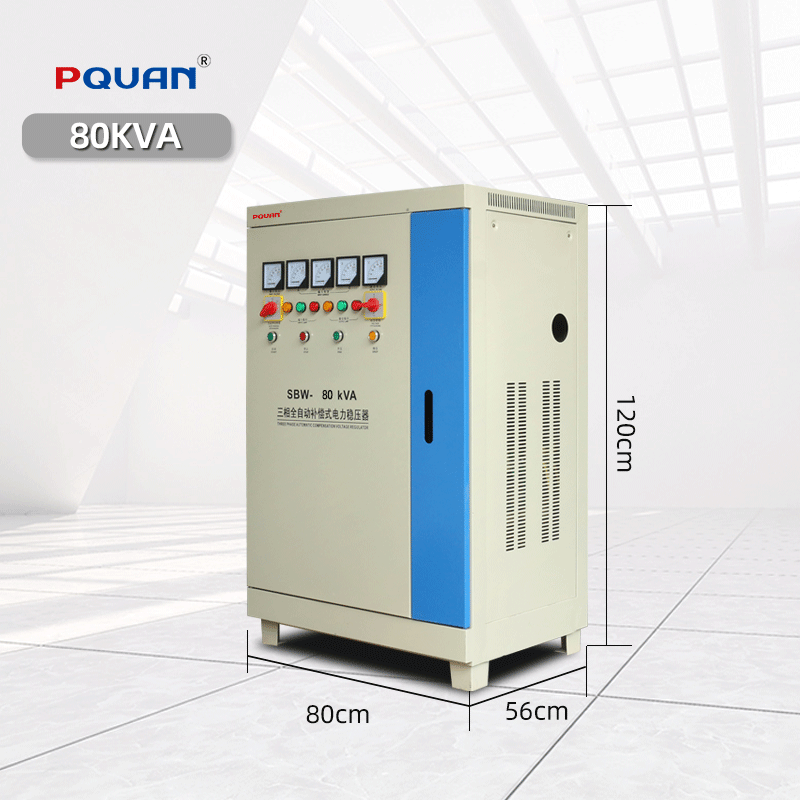
Electrical equipment operates most efficiently when it receives a stable, consistent power supply. Voltage fluctuations cause equipment to work harder, consume more energy, and degrade faster than necessary. A voltage regulator addresses these challenges by maintaining optimal electrical conditions, directly improving how efficiently your industrial equipment performs. Understanding how a voltage regulator enhances efficiency helps facility managers and engineers make informed decisions about power quality investments.
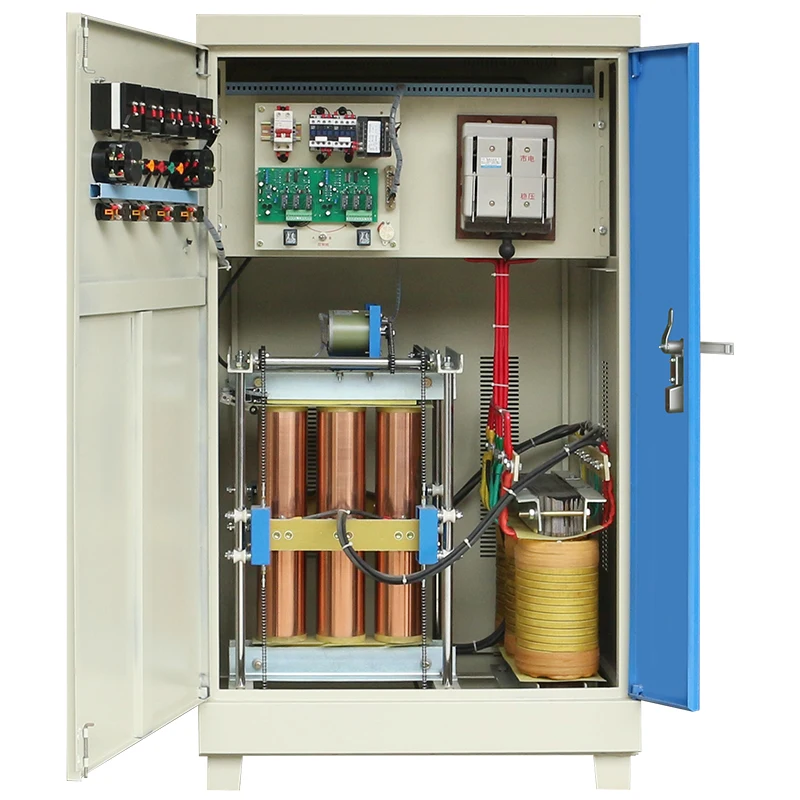
In modern industrial environments, power supply variations are inevitable. Demand fluctuations, distance from substations, and equipment load changes create voltage sags and surges throughout the distribution network. A voltage regulator protects connected equipment by automatically correcting these deviations in real time. This continuous stabilization ensures motors run at their designed specifications, transformers operate within safe thermal limits, and electronic controllers function reliably without strain.
How Voltage Regulators Stabilize Power Supply
Automatic Voltage Correction Mechanism
The voltage regulator works through continuous sensing and rapid adjustment cycles. Specialized circuits monitor incoming voltage levels and compare them against a preset reference value. When voltage drifts outside acceptable parameters, the voltage regulator initiates an automatic response, adding or removing reactive power to bring the supply back to target. Advanced models like voltage regulator systems complete this correction cycle within milliseconds, preventing downstream equipment from experiencing harmful transients.
The correction mechanism operates silently and continuously throughout the facility's operating hours. Industrial voltage regulator installations use servo-motor controlled transformers or electronic switching circuits to adjust output voltage. This responsive approach means equipment never experiences the performance degradation that occurs under unregulated power. The voltage regulator maintains tight accuracy tolerances, typically holding voltage within plus or minus two to three percent of nominal levels.
Protection Against Sags and Surges
Voltage sags occur when demand spikes consume available supply, causing momentary undersupply. Equipment running under sag conditions draws excessive current to maintain torque and output, generating internal heat that accelerates component aging. A voltage regulator prevents sags from reaching connected machinery by injecting additional reactive power or automatically switching transformer taps. Conversely, voltage surges arrive from distant lightning strikes, capacitor bank switching, or generator transients. A voltage regulator eliminates surge damage by clamping excess voltage before it reaches sensitive electronics and motor windings.
Repeated voltage transients shorten equipment lifespan by decades. Insulation deteriorates faster under voltage stress, bearing temperatures rise under current extremes, and electronic circuits experience component drift. A voltage regulator prevents these cascading failures by ensuring clean, stable power delivery. Industrial facilities report reduced maintenance costs and extended equipment life when voltage regulator systems protect their distribution networks.
Energy Efficiency Benefits of Voltage Regulation
Reduced Power Consumption and Operating Costs
When equipment operates under unstable voltage conditions, it consumes more power to deliver the same output. Motors running below nominal voltage draw increased current to compensate, generating excess heat and wasting energy as I-squared-R losses in motor windings and distribution conductors. A voltage regulator eliminates this inefficiency by maintaining ideal voltage at all times. Equipment drawing only the current necessary for its actual load, with minimal resistive losses. Industrial installations using a voltage regulator consistently report three to eight percent reductions in total energy consumption.
Efficiency gains compound across large facilities with hundreds of motors and hundreds of power-consuming devices. A facility consuming ten megawatts might recover three hundred kilowatts or more through voltage regulator installation. Over a year, this translates to significant operational cost savings. Manufacturing plants, data centers, hospitals, and industrial processors all benefit from the direct relationship between stable voltage and reduced power bills. The voltage regulator pays for itself within one to three years through energy savings alone.
Extended Equipment Life and Reduced Downtime
Equipment operating under ideal electrical conditions experiences dramatically slower degradation. Motors designed for specific voltage ranges perform optimally when receiving exactly that voltage. Transformers operate cooler, with longer insulation life when voltage and frequency remain stable. Power supplies and soft starters show fewer failures when spared from voltage transients. A voltage regulator protecting your equipment means fewer emergency replacements, reduced unplanned downtime, and lower maintenance labor costs. Industrial operations measure the value not just in direct equipment savings but also in production continuity.
Facilities implementing voltage regulator technology often reduce equipment failure rates by fifty percent or more. This improvement directly translates to higher production throughput, fewer line stoppages, and more reliable delivery schedules. Data centers particularly benefit from voltage regulator systems because server reliability and uptime are critical business requirements. A single hour of unplanned downtime in a mission-critical facility costs far more than the voltage regulator system investment.
Industrial Applications and Performance Optimization
Manufacturing and Process Control Systems
Manufacturing environments present unique power quality challenges due to large motor starts, variable load profiles, and sensitive control electronics. Production equipment including CNC machines, hydraulic presses, welding systems, and packaging lines all depend on voltage stability for precision and reliability. A voltage regulator ensures that process control systems maintain calibration and equipment performs consistently throughout production runs. Quality improves because voltage fluctuations no longer introduce variations in machine output.
Food processing facilities, chemical plants, and textile manufacturers use voltage regulator systems to prevent product quality issues caused by power fluctuations. Process control computers and programmable logic controllers operate reliably when voltage remains within specification. Production rates increase and scrap rates decrease when a voltage regulator eliminates electrical instability as a variable. Equipment operators no longer experience the frustration of unexplained failures occurring during high-voltage sag events.
Data Centers and IT Infrastructure
Data center operations demand exceptional power quality because server failures cascade into complete service outages. Network equipment, storage systems, and cooling infrastructure all depend on clean stable power. A voltage regulator provides the foundation for reliable data center operations by maintaining voltage within the tight tolerances required by modern IT hardware. Combined with uninterruptible power supply systems, a voltage regulator ensures graceful handling of power anomalies without disrupting services.
Data centers using voltage regulator protection report improved system uptime and reduced equipment replacement rates. The investment in power quality infrastructure pays dividends through improved service reliability and customer satisfaction. A voltage regulator works alongside other power conditioning equipment to create comprehensive protection that keeps critical systems online.
FAQ
What percentage efficiency improvement can a voltage regulator provide?
Industrial facilities typically achieve three to eight percent total energy consumption reduction through voltage regulator installation. The specific improvement depends on baseline power quality conditions, equipment types, and load characteristics. Facilities operating in areas with frequent voltage variations see larger gains than those with naturally stable supplies. A voltage regulator ensures equipment operates near its design efficiency point consistently throughout the day. Savings accumulate significantly over months and years of operation.
How quickly does a voltage regulator respond to voltage changes?
Modern voltage regulator systems correct voltage deviations within one to twenty milliseconds depending on the technology used. This rapid response prevents equipment from experiencing harmful transients. Older electromechanical voltage regulator designs respond more slowly, while electronic servo-controlled and digital voltage regulator systems achieve faster correction cycles. The speed of response is crucial for protecting sensitive electronic equipment from damage during sudden voltage events.
Can a voltage regulator work alongside existing power conditioning equipment?
Yes, a voltage regulator integrates effectively with uninterruptible power supplies, surge protectors, and harmonic filters to create layered power quality protection. A voltage regulator handles continuous voltage stabilization while other equipment addresses specific issues like brief outages or harmonic distortion. This complementary approach provides comprehensive protection that addresses multiple power quality challenges simultaneously. Designing integrated power protection systems ensures that a voltage regulator and other equipment work together optimally.