 EN
EN

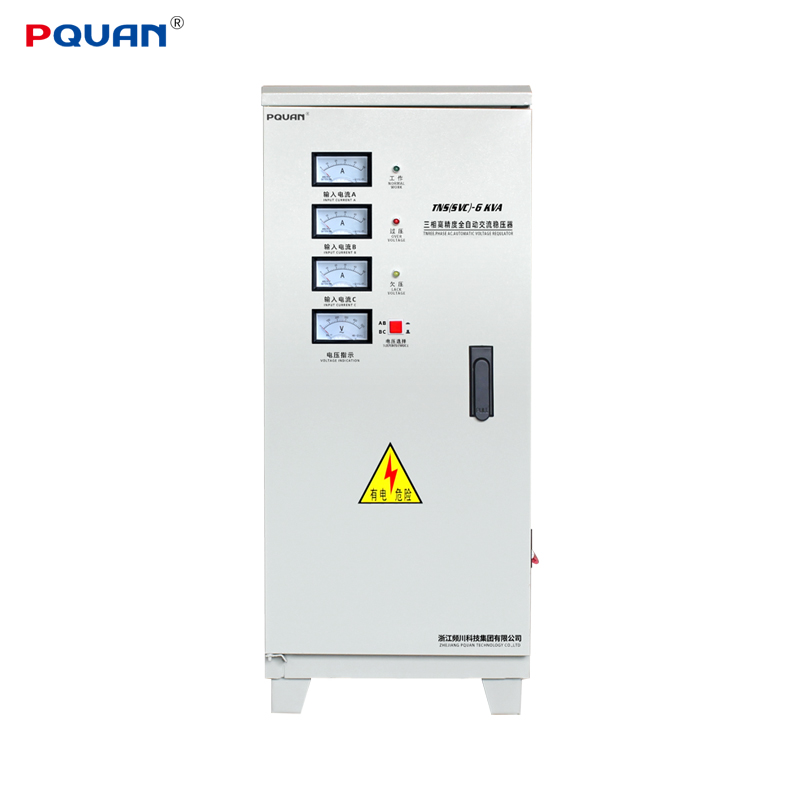
مُنظِّم الجهد هو مكوِّنٌ بالغ الأهميَّة في النُّظُم الكهربائيَّة الحديثة، ومصمَّمٌ للحفاظ على مستويات الجهد ثابتةً عبر المعدَّات والبنية التحتيَّة. وتعتمد المنشآت الصناعيَّة ومراكز البيانات والبيئات التصنيعيَّة الحسَّاسة على الطاقة المستقرَّة لحماية الآلات ومنع توقُّف العمليَّات عن العمل الذي يترتَّب عليه خسائر ماليَّة باهظة وضمان جودة المنتجات. وعندما تحدث تقلُّبات في الجهد — سواءً ناجمةً عن عدم استقرار الشبكة أو تغيُّرات مفاجئة في الأحمال أو اضطرابات ناتجة عن الظروف الجويَّة — فإنَّ مُنظِّم الجهد يُكيِّف إخراجَه تلقائيًّا للحفاظ على جهد التغذية ضمن الحدود الآمنة للتشغيل. وهذه الحماية ليست اختياريَّةً؛ بل إنَّها تؤثِّر تأثيرًا مباشرًا في عمر المعدَّات الافتراضي وكفاءة التشغيل والربح الصافي.
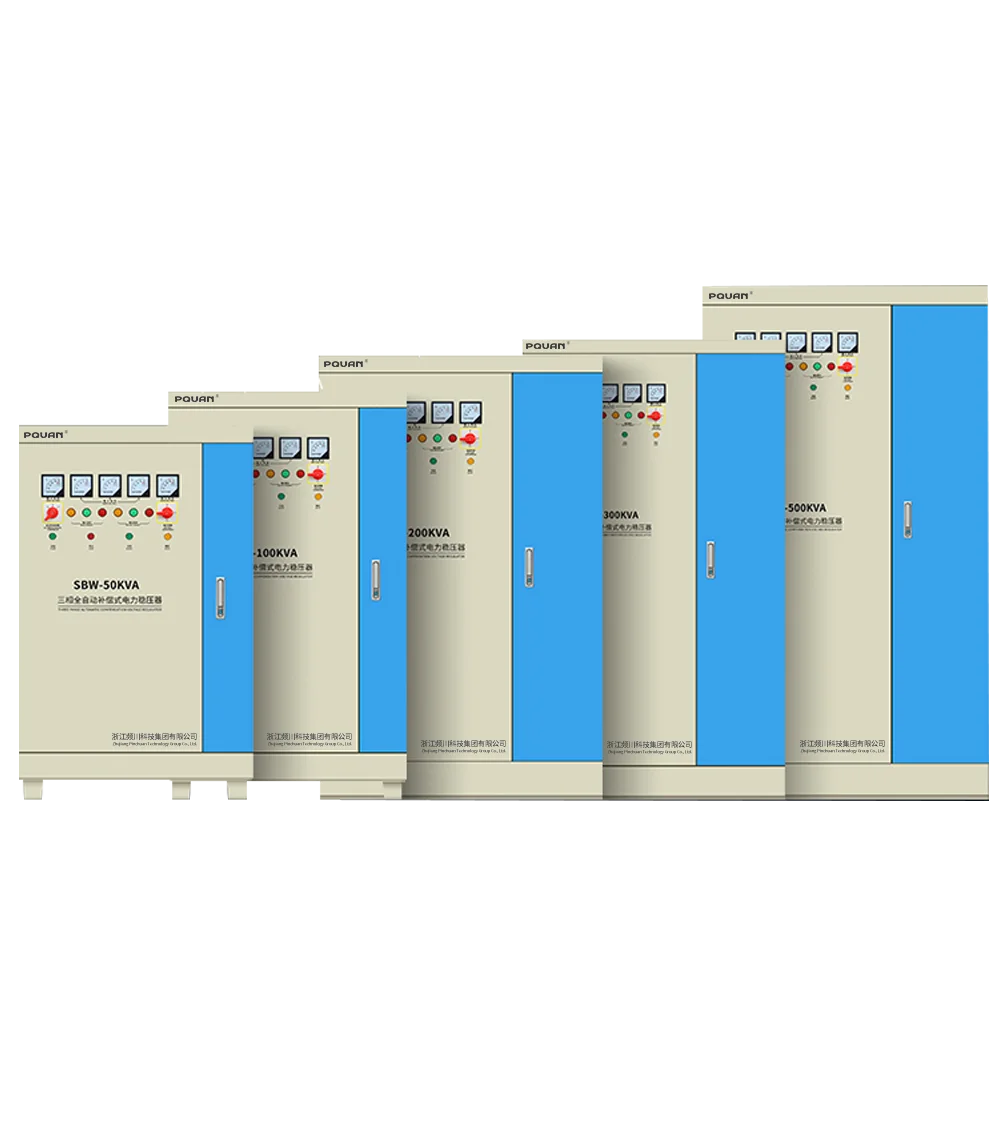
فهم طريقة عمل منظم الجهد وأهميته يساعد المؤسسات على اتخاذ قرارات مستنيرة بشأن الاستثمار في جودة التغذية الكهربائية. وأصبحت منظمات الجهد عالية الأداء معياراً شائعاً في البيئات الصناعية، حيث تعني العمليات غير المنقطعة استمرارية الإيرادات والامتثال التنظيمي. سواءً واجهت الظروف غير المتوقعة للشبكة أو تولّت إدارة قمم التيارات الناتجة عن بدء تشغيل المحركات الكبيرة، فإن منظم الجهد المصمَّم بشكلٍ سليم يوفّر الاستقرار الذي تتطلبه الشركات الحديثة.
كيف منظم الجهد يحافظ على استقرار الطاقة
المبدأ التشغيلي الأساسي لمنظم الجهد
ينظّم جهاز تنظيم الجهد الجهد الداخل باستمرار ويقارنه بمعيار مرجعي مُعد مسبقاً. وعندما ينحرف الجهد فوق أو دون الحدود المقبولة، يفعّل جهاز تنظيم الجهد آليات التعويض لاستعادة التوازن. وفي الأنظمة الآلية، يحدث هذا التعويض خلال جزء من الألف من الثانية، مما يضمن ألا تتعرّض المعدات المتصلة لظروف ضارة مثل ارتفاع الجهد أو انخفاضه المفاجئ. وسرعت استجابة جهاز تنظيم الجهد تحدد مدى سرعة حمايته للأحمال الحساسة أثناء الاضطرابات العابرة.
يتضمّن الهيكل الداخلي لجهاز تنظيم الجهد عادةً دوائر الاستشعار ومنطق التحكّم وآليات الضبط مثل محولات تغيير التوصيلات أو المحولات الإلكترونية للطاقة. وتوازن كل تصميم لجهاز تنظيم الجهد بين السرعة والدقة والكفاءة وفقاً للبيئة التشغيلية المخصصة له. كما يجب أن تكون أجهزة تنظيم الجهد الصناعية قادرة على تحمل دورات تشغيل متكررة ونطاقات حرارية قصوى وتشغيل مستمر دون أي تدهور في الأداء.
تقنية ضبط الجهد التلقائي
تستخدم منظمات الجهد الحديثة أنظمة تحكم تلقائية تلغي الحاجة إلى التدخل اليدوي. ويستجيب منظم الجهد التلقائي للتغيرات الفورية في الجهد عبر تشغيل محركات سيرفو أو مفاتيح حالتها الصلبة أو آليات منظم الحث. وتضمن هذه الأتمتة أداءً ثابتًا بغض النظر عن تقلبات الحمل أو اضطرابات الشبكة. وتكمن القيمة الخاصة لوظيفة منظم الجهد التلقائية في فترات الطلب الذروي، حين ينخفض جهد شركة الكهرباء عادةً، أو في فترات الحمل الخفيف، حين تزداد مخاطر ارتفاع الجهد.
وتتناسب دقة منظم الجهد التلقائي تناسبًا مباشرًا مع قدرته على إطالة عمر المعدات وتقليل تكاليف الصيانة. ولا يمكن للمنشآت التي تعتمد عملياتها الحرجة على التعديل اليدوي للجهد أن تتحمل ذلك؛ بل تحتاج إلى منظم جهد يعمل فورًا وباستمرار.
لماذا تعتمد الصناعات على حماية منظم الجهد
منع تلف المعدات باستخدام منظم الجهد
تؤدي التقلبات في الجهد إلى ارتداء أسرع للمحركات والمحولات والضواغط وأجهزة التحكم الإلكترونية. ويعمل منظم الجهد كدرعٍ يمنع تدهور المعدات الناجم عن إجهاد الجهد الزائد وحالات انخفاض الجهد. وبغياب حماية منظم الجهد، تتدهور العزلة الكهربائية مبكرًا، وتزداد سرعة ارتداء المحامل، وتفشل المكونات الإلكترونية بشكل غير متوقع. وغالبًا ما يفوق تكلفة عطلٍ رئيسيٍّ واحدٍ في المعدات الاستثمارَ في نظامٍ شاملٍ لتنظيم الجهد.
تواجه المصانع التي تستخدم الآلات الدقيقة خطرًا خاصًّا ناتجًا عن عدم استقرار الجهد. ويضمن منظم الجهد أن تبقى تحملات الإنتاج متسقة، وأن تظل نسب الهدر في المنتجات منخفضة، وأن يتحسَّن العائد الكلي. وفي قطاعات الأدوية والدوائر المتكاملة ومعالجة الأغذية، لا يُعتبر منظم الجهد رفاهيةً، بل هو شرطٌ أساسيٌّ للامتثال وضمان الجودة.
استمرارية الإنتاج وتوفير التكاليف
تُكلِّف أوقات التوقف غير المخطط لها المصنِّعين آلاف الدولارات في الساعة. ويمنع منظِّم الجهد حالات الإيقاف المفاجئة وإعادة تعيين المعدات الناتجة عن انخفاضات وارتفاعات الجهد. وباستمراره في الحفاظ على استقرار الجهد، يتيح منظِّم الجهد عمليات تشغيلٍ متواصلةً، وجدولات صيانةٍ قابلةٍ للتنبؤ، وتخفيض نفقات الإصلاح الطارئ. وقد وثَّقت المؤسسات وفوراتٍ في استهلاك الطاقة تتراوح بين خمسة وخمسة عشر في المئة عبر تركيب أنظمة منظِّمات الجهد التي تحسِّن كفاءة المحركات وتقلِّل الخسائر الناتجة عن القدرة العكسية.
يظهر عائد الاستثمار في منظِّم الجهد عادةً خلال عامين إلى أربعة أعوام، وذلك بفضل تجنُّب أوقات التوقف، وتمديد عمر المعدات، وانخفاض استهلاك الطاقة. أما المرافق التي تعمل على مدار الساعة — مثل المستشفيات ومراكز البيانات ومحطات معالجة المياه — فهي تدرك أن استثمار منظِّم الجهد يحمي البنية التحتية الحاسمة لاستمرار الإيرادات.
اختيار وتنفيذ حلٍّ لمنظِّم الجهد
ملاءمة السعة والأداء لمنظِّمات الجهد
اختيار منظم الجهد يتطلب ذلك تقييمًا دقيقًا لخصائص الحمولة وأهداف استقرار الجهد. ويجب تحديد سعة منظم الجهد بحيث تكفي للتعامل مع أقصى حمولة بالإضافة إلى النمو المستقبلي، مع ضمان ألا يعمل المنظم باستمرار عند سعته القصوى. وتشكل زمن الاستجابة ودقة التنظيم وقدرة التحميل الزائد مواصفاتٍ بالغة الأهمية تُميِّز منظمات الجهد عالية الأداء عن النماذج الأساسية. أما أنظمة الصناعة ثلاثية الطور فتتطلّب منظم جهد ثلاثي الطور يوفّر خرجًا متوازنًا عبر جميع الأطوار لمنع عطل المعدات.
يحدّد بيئة التطبيق ما إذا كان منظم الجهد يجب أن يتضمّن ميزات مثل كبح التوهجات أو ترشيح التوافقيات أو واجهات الاتصال. فمنظم الجهد المصمم لمصنع طباعة يواجه متطلباتٍ مختلفةً تمامًا عن تلك التي يواجهها المنظم المُستخدم في مركز معالجة البيانات. ولذلك، فإن الرجوع إلى المواصفات الكهربائية الخاصة بالموقع وملفّات الحمولة يضمن اختيار منظم جهدٍ يوفّر الحماية المناسبة دون زيادة غير ضرورية في التكلفة بسبب التضخيم الزائد.
التثبيت والتكامل التشغيلي
يجب اختيار نقطة تثبيت منظم الجهد لحماية جميع المعدات الواقعة في اتجاه التدفق السفلي مع تقليل خسائر انخفاض الجهد إلى أدنى حد ممكن. ويُوفِّر تركيب منظم الجهد عند لوحة التوزيع الرئيسية أو عند مدخل خدمة المرافق أعلى مستوى من الحماية الشاملة للمنشأة. ويتطلب ضبط معايير التنظيم—مثل قيم الجهد المستهدفة وحساسية الاستجابة—التنسيق مع إدارة المنشأة ومصنّعي المعدات. ويؤدي منظم الجهد المُهيَّأ بشكل سليم عمله بشكل شفاف، ولا يحتاج إلى عناية مستمرة كبيرة بعد تشغيله.
يشمل صيانة منظم الجهد فحوصات دورية للاتصالات الميكانيكية وأنظمة التبريد والمكونات الإلكترونية. وتتضمن منظمات الجهد الحديثة إمكانات تشخيصية تنبيه المشغلين إلى الأعطال الداخلية قبل أن تؤدي إلى الفشل. ويساعد وضع جداول صيانة وقائية في ضمان توافر منظم الجهد واستجابته الفعّالة عند حدوث اضطرابات في التغذية الكهربائية.
الأسئلة الشائعة
ما هي الفوائد الرئيسية لتركيب منظم الجهد؟
يحمي منظم الجهد المعدات الكهربائية من التلف الناجم عن تقلبات الجهد، ويطيل عمر الأصول، ويقلل من توقف التشغيل غير المتوقع، ويحسّن جودة المنتج، وعادةً ما يحقّق وفورات في استهلاك الطاقة. وتكتشف المنشآت التي تحتوي على آلات حساسة أو عمليات حرجة أن استثمارها في منظم الجهد يُغطّي تكلفته عبر تجنّب إصلاحات الطوارئ والحفاظ على الإنتاجية.
كيف يختلف منظم الجهد عن واقي التيار الزائد؟
فبينما يتعامل واقي التيار الزائد مع قمم الجهد المفاجئة التي تدوم من ميكروثانية إلى ملي ثانية، فإن منظم الجهد يدير تقلبات الجهد الأوسع التي تستمر لثوانٍ أو دقائق أو أطول. ويوفّر منظم الجهد ضبطاً مستمراً ونشطاً للحفاظ على استقرار الجهد ضمن نطاقات التشغيل الطبيعية. وكلا التقنيتين تكمّلان بعضهما بعضاً؛ فقد تستفيد المنشأة من تركيب منظم جهد لضمان الاستقرار المستمر، بالإضافة إلى واقي تيار زائد للحوادث العابرة.
هل يمكن لمُنظِّم الجهد أن يحل جميع مشكلات جودة التغذية الكهربائية؟
يتعامل مُنظِّم الجهد بفعالية مع انخفاض الجهد وارتفاعه والتقلبات المعتدلة، لكنه لا يزيل جميع مشكلات جودة التغذية الكهربائية مثل التشويه التوافقي أو انحراف التردد. وللحصول على حماية شاملة، قد يُدمج مُنظِّم الجهد مع مرشحات التوافقيات ووحدات التغذية غير المنقطعة (UPS) وغيرها من التقنيات المصممة خصيصًا لتلبية احتياجات المنشأة. واستشارة خبراء جودة التغذية الكهربائية تضمن أن يكون نظام مُنظِّم الجهد مُحسَّنًا من حيث السعة ومُدمجًا بشكل مناسب ضمن البنية التحتية الكهربائية الأوسع.