 EN
EN

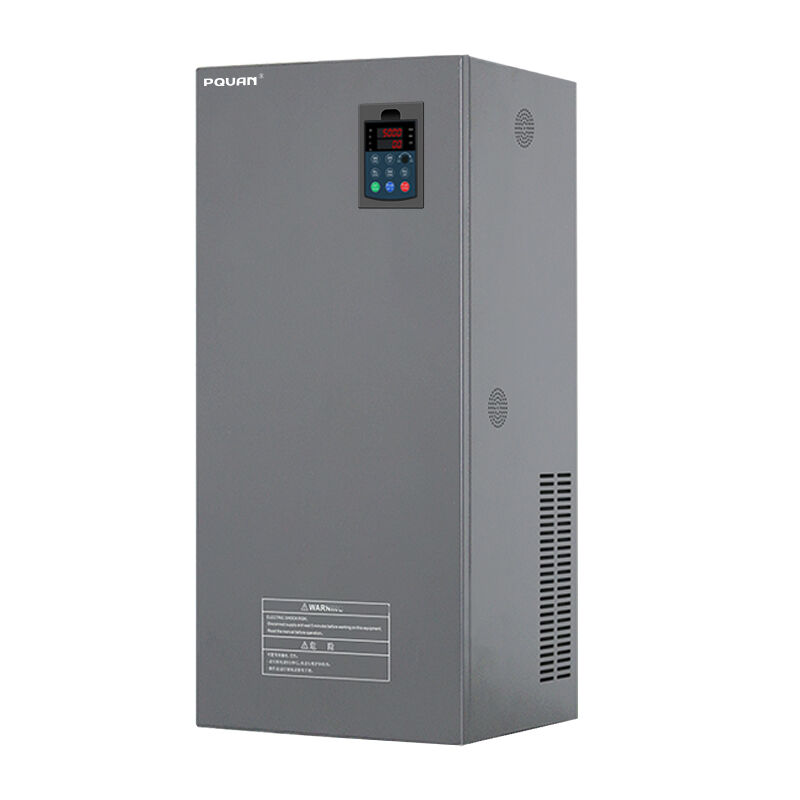
Gerilim regülatörleri, modern elektrik sistemlerinde temel öneme sahip cihazlardır; ancak işlevleri, uygulamaları ve sınırlamalarıyla ilgili birçok yanlış anlama hâlâ yaygın olarak devam etmektedir. Bu yanılgılar, genellikle kötü satın alma kararlarına, uygun olmayan montajlara ve performansla ilgili gerçekçi olmayan beklentilere yol açmaktadır. Mühendisler, tesis yöneticileri ve elektrik sistemi güvenilirliğinden sorumlu olan herkes için bu yaygın yanlış anlayışların gerçeğini kavramak son derece önemlidir.
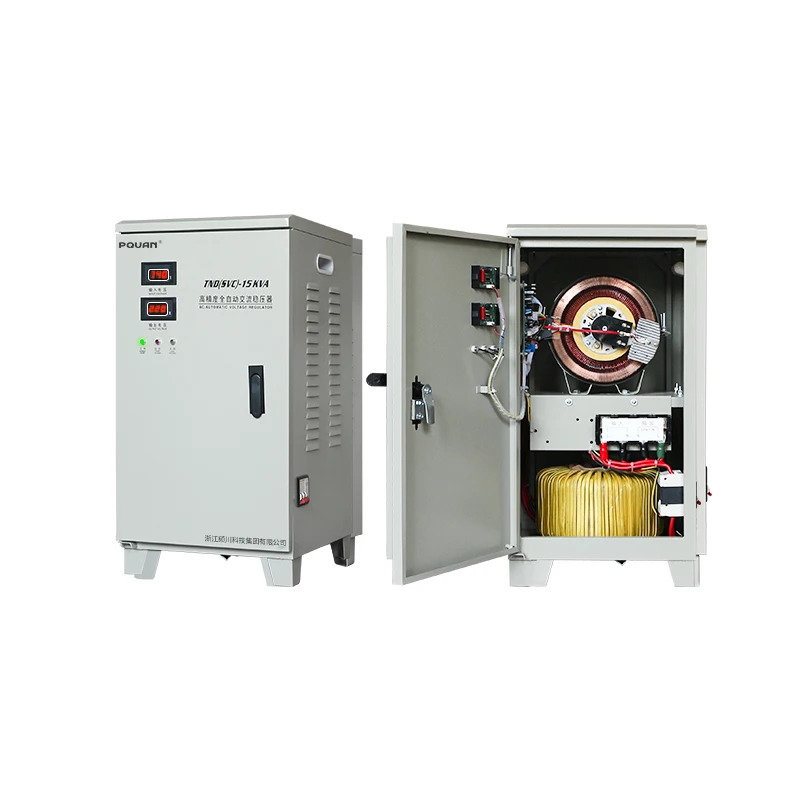
Gerilim regülatörü teknolojisiyle ilgili yanlış bilginin yayılmasının nedenleri arasında hızlı teknolojik ilerleme, pazarlama amaçlı aşırı basitleştirme ve elektrik mühendisliği ilkelerinin karmaşıklığı yer almaktadır. Bu kalıcı yanlış anlayışları inceleyerek ve çürüterek, gerilim regülatörlerinin gerçek dünya uygulamalarında ne yapabileceğini ve ne yapamayacağını daha net bir şekilde anlayabiliriz. Bu kapsamlı analiz, en yaygın yanlış anlayışları ele alırken, mühendislik ilkelerine ve pratik deneyime dayalı gerçekçi, teknik içgörüler sunar.
Yanılgı 1: Tüm Gerilim Regülatörleri Mükemmel Güç Kalitesi Sağlar
Gerilim Regülasyonu Sınırlamalarının Gerçekliği
En yaygın yanılgılardan biri, herhangi bir gerilim regülatörünün bağlı tüm cihazlar için otomatik olarak mükemmel güç kalitesi garanti etmesidir. Gerçek şu ki, gerilim regülatörlerinin performansı, tasarımına, teknolojisine ve uygulama gereksinimlerine göre önemli ölçüde değişmektedir. Temel gerilim regülatörleri çoğunlukla gerilim dalgalanmalarını giderir; ancak harmonik bozulma, frekans değişimleri veya geçici ani gerilim yükselmeleri gibi diğer güç kalitesi sorunlarıyla etkili bir şekilde başa çıkamayabilir.
Geleneksel elektromekanik voltaj regülatörleri, temel voltaj stabilizasyonu için güvenilir olsalar da genellikle elektronik varyantlara kıyasla daha yavaş tepki sürelerine sahiptir. Bu tepki gecikmesi, hassas cihazları etkileyebilecek kısa süreli voltaj dalgalanmalarına izin verebilir. Ayrıca farklı voltaj regülatörü türlerinin regülasyon doğruluğu, yüksek hassasiyetli elektronik birimlerde ±1% ila temel mekanik sistemlerde ±5% arasında değişir; bu nedenle belirli uygulamalar için regülatör seçimi kritik öneme sahiptir.
Bu sınırlamaları anlamak, kullanıcıların evrensel güç kalitesi iyileştirmesi varsayımı yerine uygun voltaj regülatörü çözümleri seçmelerini sağlar. Hassas elektronik cihazlar, optimum performans ve ömür uzunluğu elde edebilmeleri için temel voltaj regülasyonunun ötesinde ek güç kondisyonlamaya ihtiyaç duyabilir.
Yük Bağımlı Performans Özellikleri
Bu efsanenin başka bir yönü, voltaj regülatörünün performansının yük koşullarından bağımsız olarak sabit kaldığı varsayımını içerir. Uygulamada ise regülasyon doğruluğu, verimlilik ve tepki süresi tümü yük yüzdesi ve güç faktörüne göre değişir. Çoğu voltaj regülatörü, genellikle anma kapasitesinin %50–%100’ü aralığında belirli yük aralıklarında en iyi performansı gösterir.
Düşük yükler, bazı voltaj regülatörü tasarımlarında daha az hassas regülasyona veya yüksek boşta kayıplara neden olabilir. Buna karşılık, anma kapasitesinin üzerinde aşırı yükleme, performans düşüşüne, potansiyel aşırı ısınmaya ve ekipman ömrünün kısalmasına yol açar. Yükün güç faktörü de voltaj regülatörünün verimliliğini ve regülasyon yeteneğini özellikle endüstriyel ortamlarda değişken endüktif ve kapasitif yükler söz konusu olduğunda önemli ölçüde etkiler.
Bu yük bağımlılığı, voltaj regülatörü sistemlerinin seçim ve boyutlandırılmasının, mevcut en yüksek kapasiteli ünitenin seçilmesi yerine gerçek uygulama gereksinimlerine dayandırılmasını gerektirir. Doğru yük analizi, beklenen işletme koşulları boyunca optimal performansı sağlar.
Yanılgı 2: Daha Büyük Voltaj Regülatörleri Her Zaman Daha İyidir
Aşırı Boyutlandırmanın Sonuçları ve Verimlilik Üzerindeki Etkisi
Daha büyük kapasitenin otomatik olarak daha iyi performans anlamına geldiğine dair yanlış algı, birçok kullanıcının voltaj regülatörü tesislerini önemli ölçüde aşırı boyutlandırmasına neden olur. Yeterli kapasite elbette hayati öneme sahiptir; ancak aşırı boyutlandırma, birkaç pratik ve ekonomik dezavantaja yol açar. Aşırı boyutlandırılmış voltaj regülatörleri genellikle özellikle hafif yüklerde azaltılmış verimle çalışır ve bu da daha yüksek işletme maliyetlerine ve gereksiz enerji tüketimine neden olur.
Büyük boyutlu gerilim regülatör üniteleri aynı zamanda daha fazla fiziksel alana, daha yüksek başlangıç yatırımına ve artmış kurulum karmaşıklığına ihtiyaç duyar. Birçok durumda, doğru şekilde boyutlandırılmış bir ünitenin geliştirilmiş regülasyon yeteneği, düşük yük faktörlerinde verimsiz çalışan aşırı büyük bir alternatife kıyasla üstün performans gösterir. Gerilim regülatörü seçimiyle ilgili ekonomik değerlendirmeler, başlangıç maliyetini, işletme verimliliğini ve gerçek performans gereksinimlerini dengede tutmalıdır.
Ayrıca, aşırı büyük boyutlandırılmış gerilim regülatörleri farklı dinamik yanıt karakteristikleri gösterebilir ve bu durum diğer elektrik sistemi bileşenleriyle etkileşim sorunlarına neden olabilir. Gerçek yük gereksinimlerine, gelecekteki genişleme planlarına ve uygulamaya özel ihtiyaçlara dayalı doğru boyutlandırma, teknik ve ekonomik açıdan en iyi performansı sağlar.
Optimal Performans İçin Doğru Boyutlandırma Stratejileri
Etkin bir voltaj regülatörü boyutlandırması, tepe talep, yük çeşitlilik faktörleri ve büyüme tahminleri de dahil olmak üzere kapsamlı bir yük analizi gerektirir. Optimal boyutlandırma, genellikle maksimum beklenen yükün %110 ila %125’i aralığında yer alır; bu durum, gereğinden fazla büyük boyutlandırmadan kaçınarak yeterli kapasite sağlar. Bu yaklaşım, yük dalgalanmaları ve gelecekteki genişlemeler için rezerv kapasiteyi korurken verimli bir işletme sağlar.
Voltaj regülatörünün çalıştığı ortamı — ortam sıcaklığı, rakım ve havalandırma koşulları gibi — göz önünde bulundurun; çünkü bu faktörler gerçek kapasite derecelendirmelerini etkiler. Yüksek sıcaklık ortamları, kapasitenin azaltılmasını (derating) gerektirebilir; bu da kullanılabilir kapasiteyi etkin şekilde düşürür ve gerekli performansı sağlamak için daha yüksek nominal derecelendirmelere sahip cihazların seçilmesini zorunlu kılar.
Birden fazla küçük voltaj düzenleyicisi birim, tek büyük birime kıyasla genel sistem güvenilirliği, verimliliği ve esnekliği açısından daha iyi sonuçlar verebilir. Bu dağıtılmış yaklaşım, tam sistem kapatmadan bakım yapılmasına olanak tanır ve kritik uygulamalar için yedeklilik sağlar.
Efsane 3: Gerilim Regülatörleri Tüm Elektriksel Sorunları Giderir
Kapsam Sınırlamaları ve Tamamlayıcı Çözümler
Yaygın bir yanlış anlayış, gerilim regülatörlerini tüm elektrik sistemi sorunlarına yönelik evrensel çözümler olarak konumlandırır. Gerilim regülasyonu, güç kalitesi sorunlarının önemli bir kategorisini ele alsa da birçok elektriksel sorun farklı veya ek çözümler gerektirir. Gerilim regülatörleri öncelikle RMS gerilim seviyelerini sabitler; ancak frekans değişikliklerini, faz dengesizliklerini veya elektromanyetik girişimleri gideremez.
Güç faktörü düzeltmesi, harmonik filtreleme, aşırı gerilim koruması ve kesintisiz güç kaynakları, gerilim regülatörü teknolojisinin tek başına sağlayamadığı tamamlayıcı işlevler görür. Bu sınırlamaların anlaşılması, hayal kırıklığına neden olmayı önler ve belirli güç kalitesi gereksinimleri için uygun sistem tasarımının yapılmasını sağlar. Karmaşık elektriksel ortamlar genellikle birden fazla teknolojinin birleştirildiği entegre güç koşullandırma yaklaşımları gerektirir.
Topraklama sistemi sorunları, kablo bağlantı eksiklikleri ve ekipman uyumluluk sorunları da voltaj regülatörlerinin yetkinlik alanının dışında yer alır. Kapsamlı elektrik sistemi analizi, hangi sorunların voltaj regülatörleriyle çözülebileceğini ve hangilerinin alternatif yaklaşımlar veya ek donanım gerektirdiğini belirlemeye yardımcı olur.
Kapsamlı Güç Yönetimiyle Entegrasyon
Modern elektrik sistemleri, voltaj regülatörlerini daha geniş güç kalitesi çözümlerinin bir parçası olarak konumlandıran bütüncül güç yönetimi stratejilerinden yararlanır. Akıllı voltaj regülatör sistemleri, bina yönetim sistemleriyle entegre edilebilir ve diğer elektrik ekipmanlarıyla koordine edilmiş izleme verileri sağlayarak kontrol işlevini yerine getirebilir. Bu entegrasyon, sistemin genel performansını ve verimliliğini en üst düzeye çıkarır.
Gelişmiş gerilim regülatörü tasarımları, harmonik izleme, güç faktörü ölçümü ve iletişim yetenekleri gibi ek özellikler içerir. Bu geliştirilmiş sistemler, temel gerilim regülasyon işlevlerini korurken elektrik sistemi performansı hakkında daha fazla görünürlük sağlar. Ancak kullanıcılar, özel gereksinimler mevcut olduğunda bu ek özelliklerin, adanmış güç kalitesi ekipmanlarının yerini almadığını; bunların aksine onları tamamlayıcı nitelikte olduğunu bilmelidir.
En etkili güç kalitesi çözümleri, genellikle gerilim regülatörü teknolojisini belirli sorunlara yönelik hedeflenmiş çözümlerle birleştirerek, ekipmanları koruyan ve değişken koşullar altında güvenilir çalışma sağlayan kapsamlı elektrik ortamları oluşturur.
Yanılgı 4: Bakımsız Çalışma Standarttır
Farklı Teknolojilerdeki Bakım Gereksinimleri
Bakımsız çalışma vaadiyle sunulan gerilim regülatörleri, gerçekçi olmayan beklentiler yaratır ve potansiyel olarak maliyetli ekipman arızalarına yol açabilir. Günümüzün modern elektronik gerilim regülatörleri, eski elektromekanik tasarımlara kıyasla daha az bakım gerektirse de hiçbir elektrikli ekipman, belirli bir düzeyde bakım dikkati olmadan sonsuza kadar çalışamaz. Farklı gerilim regülatörü teknolojilerinin bakım gereksinimleri ve bakım periyotları birbirinden farklıdır.
Elektromekanik gerilim regülatörleri genellikle hareketli parçaların periyodik kontrolü, kontak temizliği ve yağlama işlemlerini gerektirir. Elektronik gerilim regülatörleri ise daha az sıklıkta bakım gerektirse de yine de periyodik kalibrasyon doğrulaması, soğutma sistemi bakımı ve bileşen kontrolü gibi işlemler yapılmalıdır. Çalışma ortamı bakım aralıklarını önemli ölçüde etkiler; zorlu koşullar altında daha sık bakım yapılması gerekir.
Önleyici bakım programları, voltaj regülatörünün kullanım ömrünü önemli ölçüde uzatır ve optimal performansını korur. Düzenli bakım faaliyetleri arasında görsel muayene, elektriksel testler, termal görüntüleme ve işletme parametrelerinin belgelenmesi yer alır. Bu faaliyetler, ekipmanın arızalanmasına veya performans kaybına neden olabilecek potansiyel sorunları erken tespit etmeyi sağlar.
Bakım Aralıklarını ve Gereksinimlerini Etkileyen Faktörler
Çevresel koşullar, voltaj regülatörü için bakım gereksinimlerinin belirlenmesinde kritik bir rol oynar. Yüksek sıcaklık ortamları, aşırı nem, aşındırıcı atmosferler ve titreşim tümüyle bileşenlerin yaşlanmasını hızlandırır ve bakım sıklığını artırır. İklim kontrollü iç mekânlarda yapılan tesisatlar genellikle dış mekânlarda veya endüstriyel ortamlarda yapılanlara kıyasla daha az bakım gerektirir.
Yük karakteristikleri de bakım ihtiyaçlarını etkiler; yüksek değişkenlik gösteren yükler, sık anahtarlama işlemleri ve doğrusal olmayan yükler, voltaj regülatörü bileşenlerine daha fazla stres yaratır. Kararlı ve doğrusal yüklerle çalışan uygulamalar genellikle daha az sıklıkta bakım gerektirir. Bu faktörleri anlamak, uygun bakım programları ve bütçeleri belirlemeye yardımcı olur.
Günümüzün modern voltaj regülatörü sistemleri, bakım planlamasını optimize etmeye yardımcı olan tanısal özellikler ve uzaktan izleme işlevleri içerebilir. Bu sistemler, gelişmekte olan sorunlara dair erken uyarılar sağlayarak reaktif onarımlar yerine proaktif bakım yapılmasını mümkün kılar. Ancak kullanıcılar, geliştirilmiş tanısal özelliklerin bakım gereksinimlerinin ortadan kalktığı anlamına geldiğini yanlışlıkla varsaymamalıdır.
Yanılgı 5: Herhangi bir Voltaj Regülatörü, Herhangi bir Uygulama İçin Uygun Çalışır
Uygulamaya Özel Gereksinimler ve Seçim Kriterleri
Gerilim regülatörü teknolojisinin evrensel olarak uygulanabilir olduğu varsayımı, çeşitli uygulamalar ile bunların özel gereksinimleri arasındaki önemli farkları göz ardı eder. Tıbbi ekipman tesisatları, endüstriyel motor sürücülerinden veya veri merkezi uygulamalarından farklı gerilim regülatörü özelliklerini gerektirir. Yanıt süresi, regülasyon doğruluğu, izolasyon gereksinimleri ve mevzuata uyum farklı kullanım alanlarında büyük ölçüde değişiklik gösterir.
Duyarlı elektronik ekipmanlar, dar regülasyon toleransına ve düşük çıkış bozulmasına sahip hızlı yanıt veren elektronik gerilim regülatörleri gerektirir. Endüstriyel uygulamalarda hassas regülasyonun yanı sıra dayanıklılık ve aşırı yük kapasitesi öncelikli olabilir. Bu uygulamaya özel gereksinimleri anlama, uygun gerilim regülatörünün seçilmesini ve optimal performansın sağlanmasını sağlar.
Giriş gerilimi koşulları da gerilim regülatörünün seçimini etkiler; geniş giriş değişimi aralıkları, nispeten sabit giriş gerilimlerine sahip uygulamalardan farklı tasarım yaklaşımları gerektirir. Tek fazlı veya üç fazlı gereksinimler, nötr topraklama yöntemleri ve yük dengeleme yetenekleri, uygulamaya özel ihtiyaçları daha da ayırır.
Teknolojinin Performans Gereksinimlerine Uygunlaştırılması
Farklı gerilim regülatörü teknolojileri, belirli uygulamalar için ayrı avantajlar sunar. Servo kontrollü üniteler, mükemmel düzenleme doğruluğu ve hızlı tepki süresi sağlar ancak sert endüstriyel ortamlar için uygun olmayabilir. Statik elektronik regülatörler güvenilirlik ve düşük bakım gereksinimi sunar ancak aşırı yükleme kapasitesi sınırlı olabilir. Manyetik gerilim regülatörleri dayanıklı bir yapıya sahiptir ancak tepki süreleri daha yavaştır.
Maliyet değerlendirmeleri, başlangıç yatırımını uzun vadeli işletme maliyetleri ve performans gereksinimleriyle dengelendirmelidir. Yüksek hassasiyetli gerilim regülatör sistemleri pahalıya mal olur ancak gerilim dalgalanmalarının pahalı ekipman hasarına veya süreç kesintisine neden olduğu kritik uygulamalarda bu sistemler zorunlu olabilir. Standart uygulamalar, daha ekonomik çözümlerle yeterli performans elde edebilir.
Çevresel sınıflandırmalar, güvenlik sertifikaları ve mevzuata uyumluluk gereksinimleri de gerilim regülatörünün seçimini etkiler. Tıbbi, patlayıcı ortam ve denizcilik uygulamaları, uygun sertifikalara ve yapısal özelliklere sahip özel tasarımlar gerektirir. Genel amaçlı gerilim regülatörü çözümleri bu özel gereksinimleri karşılamayabilir.
SSS
Gerilim regülatörleri elektrik faturalarını azaltır mı?
Gerilim regülatörleri, temelde elektrik tüketimini azaltmak yerine gerilimi stabilize etmeye odaklandıkları için doğrudan elektrik faturalarını düşürmezler. Ancak elektrikli cihazların optimal verimle çalışmasını sağlayarak ve yüksek yenileme maliyetlerine neden olabilecek hasarlara engel olarak dolaylı yoldan enerji tasarrufuna katkıda bulunabilirler. Bazı uygulamalarda gerilim optimal aralıkta tutulduğunda hafif verim iyileşmeleri gözlemlenebilir; ancak gerilim regülatörleri, enerji tasarrufu amacıyla başlıca satın alınmamalıdır.
Gerilim regülatörleri yıldırım darbelerine karşı koruma sağlayabilir mi?
Standart voltaj regülatörleri, yıldırım çarpmalarına ve elektriksel ani gerilimlere karşı sınırlı koruma sağlar. Normal işletme sırasında küçük geçici gerilimleri emebilirler; ancak etkili yıldırım koruması için özel ani gerilim koruma cihazları gereklidir. Voltaj regülatörleri, geçici gerilim bastırma yerine sürekli durum voltaj regülasyonu üzerine odaklanır; bu nedenle kullanıcılar, yıldırım ve diğer yüksek enerjili geçici gerilimlere karşı korunmak amacıyla uygun ani gerilim koruma sistemlerini ayrı olarak uygulamalıdır.
Voltaj regülatörleri genellikle ne kadar süreyle kullanılır?
Gerilim regülatörünün ömrü, kullanılan teknolojiye, uygulama alanına ve bakım uygulamalarına bağlı olarak önemli ölçüde değişir. Elektronik üniteler genellikle uygun bakım ile 10–15 yıl dayanırken, elektromekanik tasarımlar 20–25 yıl veya daha uzun süre çalışabilir. Çalışma ortamı, yük karakteristikleri ve bakım kalitesi, gerçek kullanım ömrünü önemli ölçüde etkiler. Düzenli bakım ve doğru uygulama, kullanım ömrünü uzatabilir; ancak sert koşullar veya yetersiz bakım, beklenen ömrü önemli ölçüde kısaltabilir.
Pahalı gerilim regülatörleri her zaman yüksek maliyetlerini hak eder mi?
Daha yüksek fiyatlı gerilim regülatörleri genellikle daha iyi düzenleme doğruluğu, daha hızlı tepki süreleri ve ek özellikler sunar; ancak bu değer tamamen uygulama gereksinimlerine bağlıdır. Sıkı gerilim kontrolü gerektiren kritik uygulamalarda premium maliyetler haklı çıkarılabilirken, standart uygulamalar daha ekonomik çözümlerle yeterli performans elde edebilir. Anahtar nokta, her durumda daha yüksek fiyatın her zaman daha iyi değere eşit olduğunu varsaymak yerine, gerilim regülatörünün yeteneklerini gerçek ihtiyaçlarla eşleştirmektir.
İçindekiler
- Yanılgı 1: Tüm Gerilim Regülatörleri Mükemmel Güç Kalitesi Sağlar
- Yanılgı 2: Daha Büyük Voltaj Regülatörleri Her Zaman Daha İyidir
- Efsane 3: Gerilim Regülatörleri Tüm Elektriksel Sorunları Giderir
- Yanılgı 4: Bakımsız Çalışma Standarttır
- Yanılgı 5: Herhangi bir Voltaj Regülatörü, Herhangi bir Uygulama İçin Uygun Çalışır
- SSS