All Categories
Get a Quote
%}

Get a Free Quote

Our representative will contact you soon.
Email
Name
Company Name
Message
0/1000

Voltage Regulator: Essential Guide for Industrial and Commercial Use

2026-03-20 10:00:00
Voltage Regulator: Essential Guide for Industrial and Commercial Use

A voltage regulator serves as the cornerstone of electrical stability in industrial and commercial environments, ensuring consistent power delivery despite fluctuations in the electrical grid. These sophisticated devices automatically adjust incoming voltage to maintain a steady output, protecting sensitive equipment from damage while optimizing operational efficiency across manufacturing facilities, data centers, hospitals, and commercial buildings.

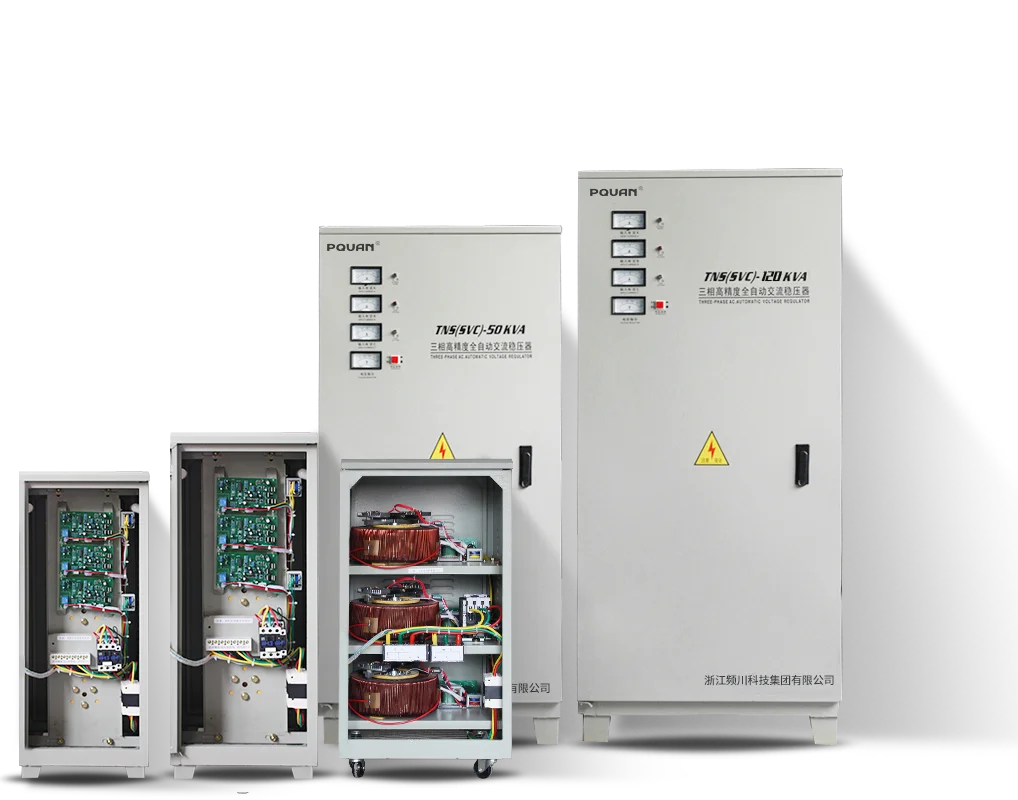
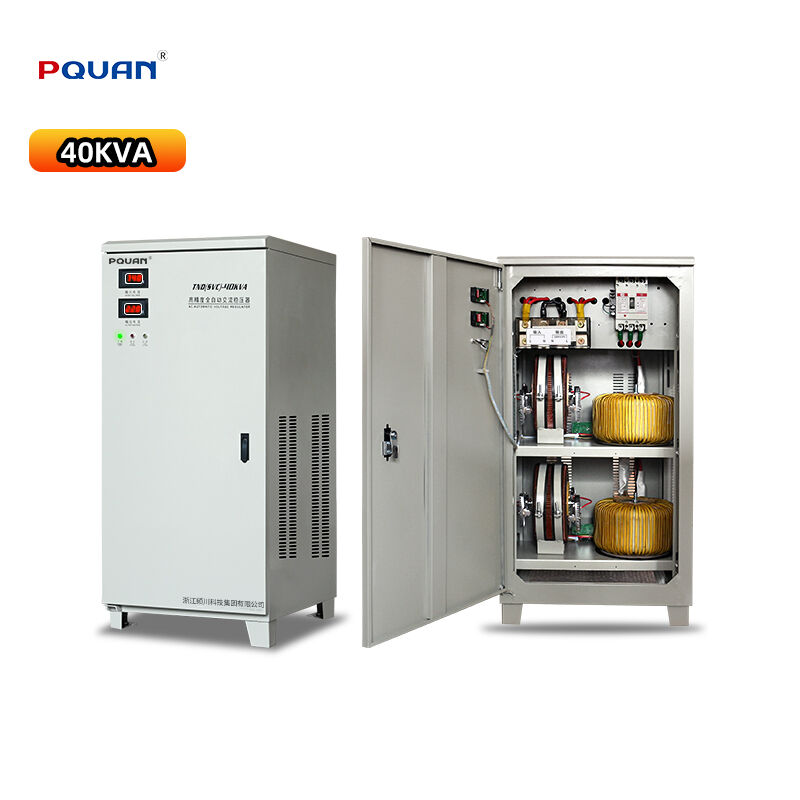
voltage regulator

Understanding the critical role of a voltage regulator in modern industrial operations becomes essential as businesses face increasing demands for reliable power quality. Voltage irregularities can result in equipment malfunctions, production downtime, and costly repairs, making proper voltage regulation not just a technical consideration but a business imperative that directly impacts profitability and operational continuity.

Understanding Voltage Regulator Fundamentals

Core Operating Principles

The voltage regulator operates on the fundamental principle of automatic voltage adjustment through transformer-based technology or electronic switching circuits. When input voltage deviates from the desired level, the voltage regulator detects this variation through sophisticated sensing circuits and immediately initiates corrective action to maintain stable output voltage within predetermined tolerances.

Modern voltage regulator systems employ either servo-motor driven variable transformers or solid-state switching mechanisms to achieve precise voltage control. The servo-motor approach utilizes a motorized carbon brush system that moves along transformer windings to select the appropriate voltage ratio, while electronic voltage regulator designs use semiconductor switches to rapidly adjust voltage levels through pulse-width modulation techniques.

The feedback control system within a voltage regulator continuously monitors output voltage and compares it against a reference standard. This closed-loop control ensures that any deviation triggers immediate compensation, maintaining voltage stability typically within ±1% to ±5% accuracy depending on the specific voltage regulator model and application requirements.

Types and Classification Systems

Industrial voltage regulator systems are classified into several categories based on their operating methodology and application scope. Automatic voltage regulator units represent the most common type, featuring fully automated operation without manual intervention, making them ideal for continuous industrial processes where human oversight may be limited or impractical.

Static voltage regulator designs utilize solid-state components exclusively, offering faster response times and higher reliability compared to electromechanical alternatives. These electronic voltage regulator systems excel in applications requiring rapid voltage corrections, such as semiconductor manufacturing or precision machining operations where even brief voltage fluctuations can compromise product quality.

Three-phase voltage regulator configurations dominate industrial applications, providing balanced voltage regulation across all three phases simultaneously. This comprehensive approach ensures that motors, transformers, and other three-phase equipment receive consistent power quality, preventing issues like phase imbalance that can lead to motor overheating and premature failure.

Industrial Applications and Use Cases

Manufacturing and Production Environments

Manufacturing facilities rely heavily on voltage regulator technology to maintain consistent production quality and protect expensive machinery from voltage-related damage. CNC machines, robotic systems, and automated production lines require stable voltage to operate within specified tolerances, making a properly sized voltage regulator essential for maintaining manufacturing precision and minimizing defect rates.

The textile industry presents a prime example of voltage regulator necessity, where spinning machines, looms, and dyeing equipment must operate under consistent electrical conditions to ensure uniform product quality. Voltage fluctuations can result in thread breaks, color variations, and fabric defects that compromise final product standards and increase waste rates significantly.

Food processing operations depend on voltage regulator systems to maintain precise temperature control in refrigeration systems, ensure consistent mixing speeds in food preparation equipment, and provide stable power to packaging machinery. These applications require uninterrupted voltage stability to meet food safety standards and maintain production schedules in highly regulated environments.

Critical Infrastructure Applications

Healthcare facilities utilize voltage regulator technology to ensure life-critical equipment operates reliably regardless of electrical grid conditions. Medical imaging systems, surgical equipment, and patient monitoring devices require extremely stable voltage to function correctly, making medical-grade voltage regulator systems an essential component of hospital electrical infrastructure.

Data centers and server farms implement comprehensive voltage regulator systems to protect valuable computing equipment and ensure continuous data processing capabilities. These facilities require multiple levels of voltage regulation, from building-wide systems to rack-level units, providing redundant protection against voltage irregularities that could result in data loss or service interruptions.

Educational institutions and research facilities employ voltage regulator systems to protect sensitive laboratory equipment, computer networks, and specialized research instruments. Universities and research centers often house expensive analytical equipment that requires exceptionally stable power conditions to produce accurate results and maintain calibration standards.

Commercial Sector Implementation

Office Buildings and Commercial Complexes

Modern office buildings incorporate voltage regulator systems to protect extensive computer networks, telecommunications equipment, and building automation systems from voltage fluctuations that could disrupt business operations. These installations typically feature centralized voltage regulator units that serve entire floors or building sections, providing comprehensive protection for all connected electrical loads.

HVAC systems in commercial buildings benefit significantly from voltage regulator protection, as motors and control systems operate more efficiently under stable voltage conditions. This improved efficiency translates directly into reduced energy consumption and extended equipment life, making the voltage regulator investment economically attractive for building owners and facility managers.

Elevator systems represent another critical application where voltage regulator technology ensures safe and reliable operation. Motor drives, control circuits, and safety systems all depend on consistent voltage to function properly, making voltage regulation essential for passenger safety and system reliability in high-rise commercial buildings.

Retail and Service Industries

Retail establishments utilize voltage regulator systems to protect point-of-sale equipment, inventory management systems, and security devices from voltage-related failures that could disrupt customer service and sales operations. These applications often require compact voltage regulator units that can be easily integrated into existing electrical systems without significant infrastructure modifications.

Banking and financial institutions depend on voltage regulator technology to ensure continuous operation of ATMs, security systems, and data processing equipment. These critical applications cannot tolerate voltage-induced downtime, making reliable voltage regulation essential for maintaining customer service and regulatory compliance in financial operations.

Hotels and hospitality venues implement voltage regulator systems to protect guest room electronics, kitchen equipment, and building management systems. These installations must balance protection requirements with aesthetic considerations, often requiring custom voltage regulator configurations that integrate seamlessly with architectural designs.

Selection Criteria and Technical Specifications

Capacity and Power Requirements

Proper voltage regulator sizing requires careful analysis of total connected load, including both steady-state consumption and transient demands from motor starting and other dynamic loads. Engineers must account for load growth potential when selecting voltage regulator capacity, typically specifying units with 20-30% additional capacity beyond current requirements to accommodate future expansion.

Single-phase voltage regulator units typically range from 1kVA to 50kVA for smaller commercial applications, while industrial three-phase voltage regulator systems can exceed 1000kVA for large manufacturing facilities. The selection process must consider not only total power requirements but also the specific voltage regulation accuracy needed for the intended application.

Load characteristics play a crucial role in voltage regulator selection, as linear loads like resistive heating elements have different regulation requirements compared to non-linear loads such as variable frequency drives or computer power supplies. Understanding load behavior helps determine appropriate voltage regulator response time and regulation bandwidth specifications.

Environmental and Installation Considerations

Industrial voltage regulator systems must withstand harsh environmental conditions including temperature extremes, humidity, dust, and vibration common in manufacturing environments. IP ratings indicate the level of environmental protection provided, with IP20 suitable for clean indoor installations while IP54 or higher ratings are necessary for dusty or wet industrial environments.

Installation space constraints often influence voltage regulator selection, particularly in retrofit applications where existing electrical rooms have limited available space. Wall-mounted voltage regulator units offer space-saving advantages for smaller installations, while floor-standing models provide easier maintenance access for larger industrial systems.

Cooling requirements vary significantly between different voltage regulator technologies, with static electronic units typically generating less heat than servo-motor based systems. Adequate ventilation and temperature control in electrical rooms ensure optimal voltage regulator performance and extended service life, particularly in high-ambient temperature environments.

Installation and Maintenance Best Practices

Professional Installation Requirements

Proper voltage regulator installation requires qualified electrical technicians familiar with both local electrical codes and manufacturer specifications. The installation process involves careful attention to input and output wiring, grounding systems, and protection devices to ensure safe and reliable operation throughout the voltage regulator service life.

Input protection typically includes appropriately sized circuit breakers or fuses designed to protect the voltage regulator from overcurrent conditions while allowing normal operation during load transients. Output protection may include additional circuit protection devices depending on the specific application requirements and connected load characteristics.

Grounding and bonding requirements for voltage regulator installations follow standard electrical practices but may include additional considerations for electromagnetic compatibility and safety. Proper grounding ensures that the voltage regulator control systems operate correctly while providing personnel safety protection in accordance with applicable electrical safety standards.

Preventive Maintenance Protocols

Regular maintenance schedules help ensure optimal voltage regulator performance and prevent unexpected failures that could disrupt critical operations. Preventive maintenance typically includes visual inspections, electrical testing, and mechanical adjustments performed at intervals determined by operating conditions and manufacturer recommendations.

Servo-motor based voltage regulator systems require periodic inspection and maintenance of mechanical components including carbon brushes, motor bearings, and transformer windings. These maintenance activities should be scheduled during planned facility shutdowns to minimize operational disruption while ensuring continued reliable voltage regulation.

Electronic voltage regulator units generally require less mechanical maintenance but benefit from regular inspection of cooling systems, electrical connections, and control circuit functionality. Thermal imaging surveys can identify potential problems before they result in voltage regulator failure, allowing for proactive maintenance scheduling.

FAQ

How long does a typical voltage regulator last in industrial applications?

Industrial voltage regulator systems typically provide 15-20 years of reliable service when properly maintained and operated within specified parameters. Electronic voltage regulator units often have longer service lives due to fewer mechanical components, while servo-motor based systems may require component replacement after 10-15 years of continuous operation.

Can a voltage regulator handle sudden load changes in industrial facilities?

Modern voltage regulator systems are designed to handle sudden load changes common in industrial environments, including motor starting transients and equipment switching operations. Response times typically range from 50 milliseconds to several seconds depending on the voltage regulator technology and the magnitude of load change encountered.

What happens if the input voltage exceeds the voltage regulator's operating range?

When input voltage exceeds the voltage regulator's specified operating range, most units include bypass mechanisms or shutdown protection to prevent damage to the voltage regulator and connected equipment. Advanced voltage regulator systems provide alarm notifications and may include wide input voltage ranges to accommodate severe grid conditions.

Do voltage regulator systems require special electrical room ventilation?

Voltage regulator installations typically require adequate ventilation to dissipate heat generated during normal operation, particularly for higher capacity units or those operating at full load continuously. Proper ventilation ensures optimal voltage regulator performance and prevents premature component aging due to excessive operating temperatures.