 EN
EN

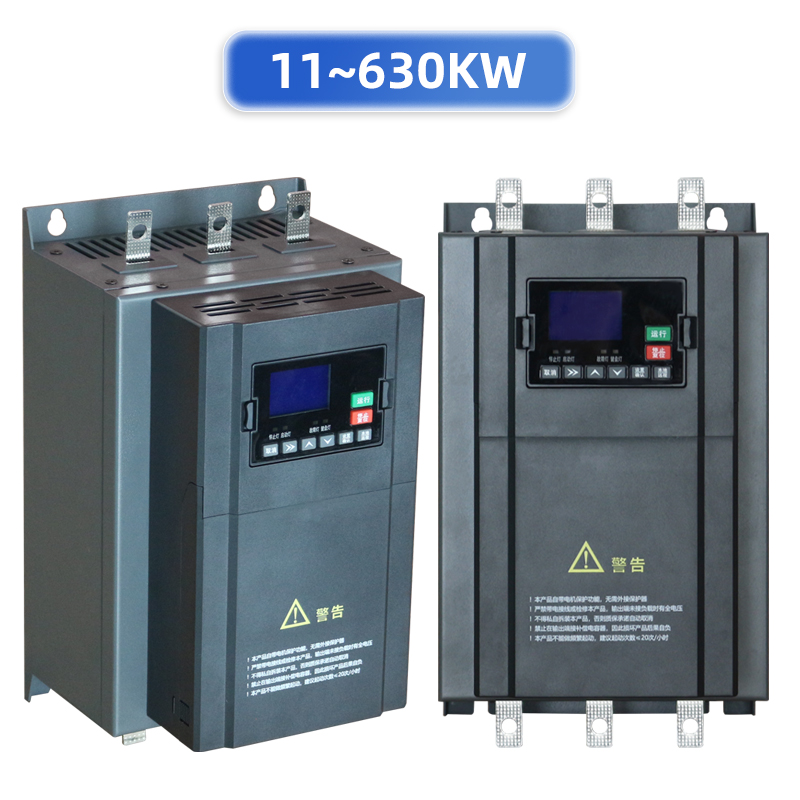
Pehmeä käynnistin on välttämätön moottorin ohjauslaite, joka vähentää mekaanista rasitusta ja sähköistä kuormitusta koneen käynnistysjärjestelmän aikana. Kun valitset CE- ja CQC-sertifioitua pehmeää käynnistintä, varmistat, että teollisuuslaitteistosi täyttää tiukat kansainväliset turvallisuus- ja suorituskykyvaatimukset. Nämä sertifikaatit osoittavat riippumattomien tarkastuslaitosten vahvistuksen siitä, että pehmeä käynnistin on testattu kattavasti ja sen dokumentaatio on tarkistettu, jotta voidaan varmistaa sen turvallinen toiminta erilaisissa teollisuusympäristöissä.
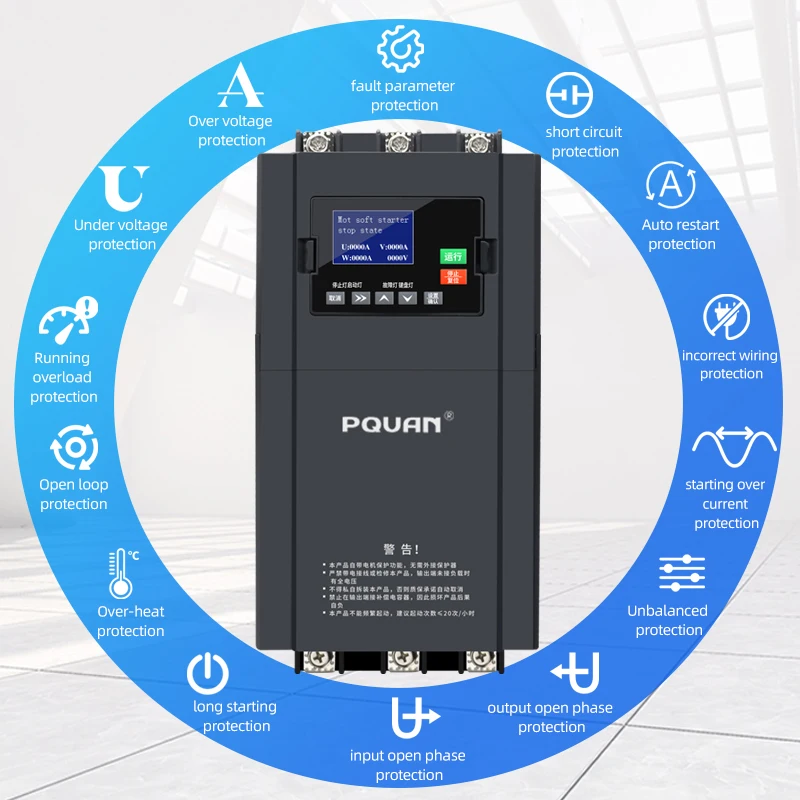
Sertifioitun kovettumattoman käynnistimen valinnan merkitystä ei voi liioitella. Sertifiointimerkit, kuten CE ja CQC, osoittavat, että kovettumaton käynnistin on arvioitu vakiintuneiden kriteerien mukaisesti sähkömagneettisen yhteensopivuuden, turvallisuuden ja luotettavuuden osalta. Organisaatiot, jotka investoivat sertifioituun kovettumattoman käynnistimen teknologiaan, vähentävät laitteiston vikaantumisen riskiä, minimoivat katkoja ja suojavat työntekijöitään mahdollisilta sähköisiltä vaaroilta, jotka liittyvät hallitsemattomaan moottorin kiihtyvyyteen.
CE-sertifiointi kovettumattomalle käynnistimelle
Mitä CE-merkintä tarkoittaa kovettumattomalle käynnistimelle
CE-merkintä tarkoittaa, että pehmeä käynnistin täyttää Euroopan unionin sähköturvallisuutta ja sähkömagneettista yhteensopivuutta koskevat direktiivit ja määräykset. Kun valmistaja merkitsee pehmeän käynnistimen CE-merkillä, hän vakuuttaa, että laite täyttää kaikki sovellettavat EU:n lainsäädännön vaatimukset, mukaan lukien koneiden ja alhaisen jännitteen direktiivit. Tämän pehmeän käynnistimen sertifiointiprosessi sisältää yksityiskohtaista teknistä dokumentaatiota, riskiarvioita ja vaatimustenmukaisuusvakuutuksia, jotka valmistajan on säilytettävä tarkastusviranomaisten tarkastettavaksi.
Sertifioitu pehmeä käynnistin, jolla on CE-merkintä, on suunniteltu toimimaan turvallisesti määritellyn jännitteen ja taajuuden alueella estäen samalla elektromagneettista häiriöitä muille laitteille. Pehmeän käynnistimen testausmenetelmät varmistavat, että laite kestää tehokkaasti käynnistysvirtoja, vähentää mekaanista iskua kytkettyyn koneistoon ja säilyttää vakaa toiminta lämpötila- ja kosteusvaihteluiden keskellä, kuten teollisuusympäristöissä tyypillisesti esiintyy. Tämä pehmeän käynnistimen vaatimustenmukaisuuskehys suojelee sekä laitteiden käyttäjiä että teollisuustilojen laajempaa sähköinfrastruktuuria.
CE-merkinnän saaneen pehmeän käynnistimen tekniset standardit
CE-merkintä edellyttää, että pehmeä käynnistin täyttää Euroopan standardointijärjestöjen määrittelemät tiettyjä teknisiä standardeja. Pehmeän käynnistimen on oltava yhteensopiva IEC 61800-1 -standardin kanssa sähkölämmittävien moottorikäyttöjärjestelmien osalta ja IEC 61000 -sarjan standardien kanssa sähkömagneettisen yhteensopivuuden osalta. Nämä pehmeän käynnistimen standardit määrittelevät hyväksyttävät harmonisten värähtelyjen tasot, jännitteen aleneman kestävyyden sekä sähköisten transienttien suorituskyvyn, jotta laite toimii luotettavasti teollisuusympäristössä muiden sähkölaitteiden rinnalla.
Peukalosuojaimen sertifiointiin liittyvät asiakirjat sisältävät suorituskykytietoja ylikuormitussuojasta, lämmönhallinnasta ja vian havaitsemisesta. CE-merkintää vaativien peukalosuojaintuotteiden valmistajien on osoitettava testaamalla, että heidän peukalosuojaimensa säilyttää suorituskykyvaatimuksensa pitkän käyttöiän ajan ja erilaisissa kuormitustiloissa. Tämä peukalosuojaimen validointiprosessi varmistaa yhtenäisyyden tuotteiden välillä, jotka on valmistettu eri aikoina ja eri tuotantopaikoissa, mikä antaa loppukäyttäjille luottamusta laitteen luotettavuuteen.
CQC-sertifiointi: Täyttää kiinalaiset ja kansainväliset teollisuusstandardit
CQC-merkin merkitys maailmanlaajuisissa teollisuussovelluksissa
CQC-sertifiointi osoittaa, että pehmeä käynnistin täyttää Kiinan laadunvarmistuskeskuksen (China Quality Certification Centre) tiukat laatu- ja turvallisuusvaatimukset, joka on kansainvälisesti tunnustettu sertifiointielin. CQC-merkillä varustettu pehmeä käynnistin on arvioitu riippumattomassa kolmannen osapuolen arvioinnissa varmistaakseen sen noudattavan kiinalaisia kansallisia standardeja ja yhä enemmän hyväksyttyjä kansainvälisiä vertailukohtia. Tämä pehmeän käynnistimen sertifiointi osoittaa, että laitetta on testattu useissa eri käyttötilanteissa varmistaakseen sen johdonmukaisen suorituskyvyn ja turvallisuuden teollisuuskäyttäjille kaikkialla maailmassa.
Peukalostartterin CQC-sertifiointiprosessi sisältää kattavan tarkastuksen tuotteen suunnittelusta, valmistuksen laatuvalvonnasta ja tuotannon jälkeisistä testausmenettelyistä. Kun valitset CQC-hyväksytyn peukalostartterin, saat käyttöösi laitteita, joiden on vahvistettu toimivan turvallisesti sekä kiinalaisissa teollisuustiloissa että globaaleissa valmistusympäristöissä, joissa käytetään kiinalaisvalmisteisia laitteita. Tämä CQC-sertifiointiin perustuva peukalostartterien luotettavuus on saanut kasvavaa merkitystä teollisten toimitusketjujen kansainvälistyessä.
CQC-vaatimukset ja testausprotokollat peukalostartterilaitteille
CQC-sertifioitu pehmeä käynnistin täytyy läpäistä tiukat sähkösuorituskyvyn testit, jotka kattavat harmonisten päästöjen, jännitevaihteluiden sietokyvyn ja suojajärjestelmän reagointinopeuden. Pehmeän käynnistimen testausstandardit vaativat vikatilanteissa tapahtuvien reaktioaikojen arviointia, lämpökuormitustestausta ja kestävyystestausta simuloitujen huippukuormitusten alla. Pehmeän käynnistimen sertifiointielin tekee tehdastarkastuksia varmistaakseen, että laadunvalvontamenettelyt pysyvät yhtenäisinä ja että tuotantoyksiköt vastaavat sertifioitua suunnitteluspesifikaatiota.
Peukalostartterin CQC-sertifiointi sisältää tarkistuksen siitä, että suojalaitteet toimivat oikein ylikuormituksen tai ylijännitteen tapahtuessa. Peukalostartterin testausprotokollat vaativat lepovirran kulutuksen mittaamista, viestintäliittymien standardien tarkistamista, kun niitä sovelletaan, sekä peukalostartterin ohjausalgoritmien reagoinnin vahvistamista anturisyötteisiin. Tämä peukalostartterin vaatimustenmukaisuuden tarkistus varmistaa, että teollinen sijoituksesi tarjoaa sekä välittömiä suorituskykyetuja että pitkäaikaista käyttöluotettavuutta.
Käytännön edut ja toteutukseen liittyvät harkinnat sertifioituja peukalostarttereita varten
Miten sertifiointistandardit muuntuvat käyttöeduksi
Sertifioitun käyttöön otettu pehmeä käynnistin teollisuustilassa vähentää mekaanista rasitusta moottoreissa ja niiden käyttämissä laitteissa, koska jännite nostetaan asteikollisesti eikä koko teho kytketä heti päälle. Tämä pehmeän käynnistimen ohjaama kiihtyminen pidentää laitteiden käyttöikää, vähentää huoltotarvetta ja alentaa odottamattomien vikojen todennäköisyyttä kriittisinä tuotantokausina. Pehmeän käynnistimen tehokkuusedut kasvavat ajan myötä, sillä käyttäjät kohtaavat vähemmän hätäkorjauksia ja vähemmän ennaltamääräämätöntä käyttökatkoa, joka liittyy äkillisiin moottorivikoilmiin.
Peukalostartteri, jolla on sekä CE- että CQC-merkintä, toimii dokumentaarisena todisteena siitä, että asennuksenne täyttää kansallisesti hyväksytyt teollisuusstandardit, mikä helpottaa vaatimustenmukaisuuden tarkistamista teollisuuslaitoksen tarkastuksissa ja viranomaistarkastuksissa. Tämän peukalostartterin sertifiointitila yksinkertaistaa laitteiden vaihtopäätöksiä, koska sertifioituja laitteita tunnetaan useissa eri säädöksissä ilman lisähyväksyntöjä tai uusia kelpoisuustestejä. Kaksinkertainen sertifiointi edistää myös peukalostartterien standardointia, mikä parantaa niiden jälleenmyyntiarvoa ja helpottaa teknologiapäivityksiä, kun teollisuuslaitoksen vaatimukset muuttuvat.
Peukalostartterin integrointi ja valintakriteerit sovellukseenne
Sopivan pehmeän käynnistimen valitseminen toimintanne tarpeisiin edellyttää laitteen teknisten tietojen sovittamista moottorinne tehoarvoon ja jännitekonfiguraatioon. Pehmeä käynnistin, jonka tehoarvo ja vaihekonfiguraatio vastaavat tarkasti moottorianne, varmistaa, että laite kestää huippuvirtapiikit ilman lämpöderatoitumista tai suorituskyvyn heikkenemistä. Oikea pehmeän käynnistimen kokoilu estää komponenttien ennenaikaista kulumista ja säilyttää sertifiointitesteissä vahvistetut suojatoiminnot, mikä takaa pitkäaikaisen luotettavuuden.
Ohjattu käynnistin on integroitava olemassa oleviin moottorinohjausjärjestelmiin noudattaen ohjatun käynnistimen valmistajan asennusohjeita ja teollisuuslaitoksen sähköstandardeja. Ohjatun käynnistimen oikea konfigurointi, johon kuuluu kiihdytysaikojen ja virranrajoitusten säätäminen, optimoi suorituskyvyn kytketyn kuorman ominaisuuksien mukaan. Oikein konfiguroitu ohjattu käynnistin tarjoaa koko hyötyjen skaalan, jonka sertifiointielimet ovat vahvistaneet tuotetestauksessa – alkaen sähköisten transienttien vähentämisestä ja päättyen laitteiston kestävyyden parantamiseen.
Usein kysytyt kysymykset
Miksi minun pitäisi valita ohjattu käynnistin, jolla on sekä CE- että CQC-sertifikaatti?
Kaksinkertainen sertifiointi varmistaa, että pehmeä käynnistin täyttää sekä Euroopan unionin että kansainvälisten kiinalaisten laatuvaatimusten, mikä tarjoaa mahdollisimman laajan maantieteellisen hyväksynnän ja sääntelyvaatimusten noudattamisen. Pehmeä käynnistin, jolla on molemmat sertifikaatit, osoittaa, että riippumattomat testauslaitokset eri alueilta ovat vahvistaneet laitteen turvallisuuden ja suorituskyvyn, mikä vähentää hankintariskiä ja yksinkertaistaa tulevia laajennuksia tai toimipaikkojen siirtoja. Tämä kaksinkertainen sertifiointimenetelmä antaa teille luottamusta siihen, että investointinne täyttää tiukimmat teollisuusvaatimukset useilla markkinoilla.
Mitä testejä pehmeä käynnistin joutuu suorittamaan saadakseen CE-sertifikaatin?
Peukalostartteri on testattu elektromagneettisen yhteensopivuuden osalta, turvallisuusfunktioiden toiminnan varmennus on suoritettu, lämpökuormituksen arviointi on tehty ja ylikulutussuojaustestaus on suoritettu saadakseen CE-merkinnän. Peukalostartterin valmistajan on dokumentoitava suunnitteluspesifikaatiot, ylläpidettävä laadunvalvontamenettelyjä ja suoritettava säännöllisiä vaatimustenmukaisuustarkastuksia merkintätilan säilyttämiseksi. Tämä peukalostartterin sertifiointitestaus varmistaa, että laite toimii turvallisesti muiden sähkölaitteiden kanssa ja säilyttää suorituskykynsä koko teollisuuden käyttöolosuhteiden alueella.
Voinko käyttää sertifioitua peukalostartteria muissa maissa kuin siellä, missä se on valmistettu?
Kyllä, CE-merkintä saanut pehmeä käynnistin on tunnustettu kaikissa Euroopan unionin jäsenvaltioissa ja monissa muissa maissa, jotka noudattavat EU:n standardeja. CQC-merkintä saanut pehmeä käynnistin on laajalti hyväksytty Kiinassa ja sitä tunnustetaan yhä enemmän kansainvälisesti, kun valmistajat laajentavat globaaleja toimitusketjujaan. Varmista aina, että tietyn pehmeän käynnistimen mallin jännite- ja taajuusarvot vastaavat paikallista sähköverkkoa ennen laitteen käyttöönottoa uusissa alueissa.